In short
Yes: Partners Dog Training accepts intact dogs, male and female, for daycare, DayCamp, boarding, and training at both the Scottsdale and Cave Creek campuses, with no spay or neuter requirement. Every dog, altered or not, is placed by an assessed behavior and arousal profile rather than by hormone status, and trained handlers manage the differences an intact dog brings to a group setting instead of ruling the dog out at the door.
Why Most Dog Daycares Require Neutering or Spaying
Call around the Phoenix area and you will hear the same policy from most daycares and boarding kennels: dogs need to be spayed or neutered by somewhere between six and twelve months old, no exceptions. That is not arbitrary gatekeeping. It comes from a legitimate supervision problem.
Open group play is harder to run safely with intact dogs mixed into the yard. A few honest reasons show up again and again:
- Mounting and humping climb with arousal, and in a big free-for-all group it can flip a normal greeting into a fight before a handler even registers what happened
- Marking behavior is more common in unaltered dogs, and an overstimulated dog indoors is more likely to lift a leg somewhere it should not
- An intact female in heat creates a risk of unplanned breeding in any facility that lets males and females mix loosely
- Reading the difference between normal rough play and a male-to-male standoff takes a trained eye, and that eye is expensive to staff
Here is the part most facilities will not say out loud: a blanket no-intact-dogs rule is usually a staffing shortcut, not a behavior standard. When one person is watching 20, 30, or even 50 dogs at once in a warehouse-style yard, banning intact dogs outright is the fastest way to lower risk without hiring more staff. It is an understandable business decision. It is not the only way to manage the risk.
Can an Intact Dog Go to Daycare or Boarding in Scottsdale?
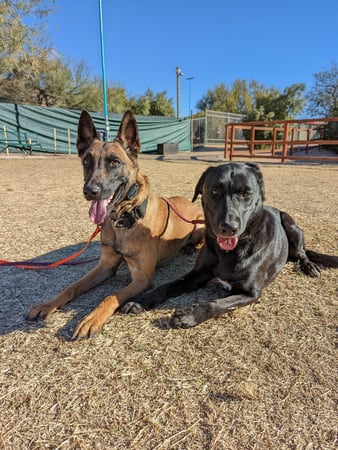
Yes. Partners Dog Training accepts intact dogs at both the Scottsdale and Cave Creek campuses, for daycare, boarding, and training alike. There is no age-based spay or neuter cutoff on the intake form. All breeds are welcome and every dog, intact or altered, is judged on assessed behavior and background, not on hormone status.
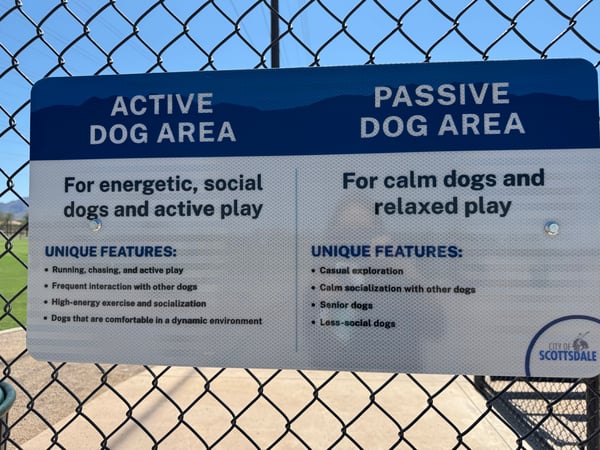
That does not mean every intact dog gets dropped straight into the same open play yard as every altered dog. It means the facility does the work most warehouse daycares skip: a real behavioral assessment that decides where a dog is placed, how much group exposure fits that dog right now, and which handler practices apply. An intact dog with strong impulse control and a calm read on other dogs can end up in a very similar day to an altered dog. A dog running hot on arousal, intact or not, gets a more structured placement either way.
What Changes With an Intact Dog in a Group Setting
To be fair to the facilities that say no, an intact dog does bring management differences into a group. Here is what changes, and how a structured program answers each one.
- Mounting and arousal spikes. Intact dogs, especially adolescent and young adult males, can escalate faster in high-stimulation moments. Structured programs watch arousal recovery, not just the trigger, and pull a dog for a reset before mounting turns into tension. If overexcitement is a pattern at home too, our guide to helping an overexcited dog settle covers the same skill set.
- Marking. Unaltered dogs mark more, and a new indoor space with a lot of dog traffic is a strong trigger. Handlers manage this with supervision and redirection during the day. If marking is showing up at home as well, the indoor marking fix walks through the same underlying pattern.
- Female heat cycles. A female in heat is not placed in mixed group play at all, intact or altered males nearby. She gets her own schedule instead, covered in the boarding section below.
- Male-to-male tension. Two intact males with a similar temperament and comparable size can read each other as a challenge faster than a neutered pairing would. This is managed through group composition and staff placement, not exclusion. Dogs already showing conflict with other dogs are a separate conversation, one our dog aggression assessment is built for.
How Partners Dogs Assesses Intact Dogs Before Placement
The reason a facility can safely say yes to intact dogs is the assessment that happens before a dog ever joins a group. The PD360 Assessment is the intake gate for placement, not a formality. A trainer spends time observing how a dog reads other dogs, how fast arousal climbs and how fast it comes back down, and how the dog responds to a handler's correction under stimulation. That behavioral profile, not the dog's reproductive status, is what decides the placement plan.
Staffing is what makes that plan possible. Partners Dogs runs one trainer for every 10 dogs, well below the 20 to 50 dogs per handler common at warehouse-style daycares. That ratio is what lets a handler catch a mounting attempt or a stiffening posture before it becomes a problem, for an intact dog or any dog running hot. It is also the kind of detail behind Partners Dogs' 4.8-star, 2,000+ review average.
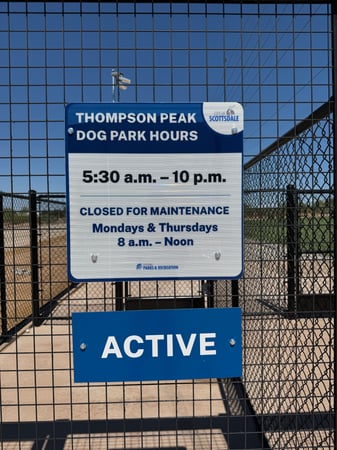
For dogs whose assessment shows strong arousal control and a calm read on other dogs, DaySchool's open play can be a fit over time. For dogs who need more structure around impulse control, whether or not they are intact, DayCamp is built for exactly that: smaller, trainer-led sessions instead of an unstructured free-for-all.
Next step
Start With the Assessment, Not a Blanket Rule
Book a PD360 Assessment and find out where your intact dog fits: structured group care, boarding, or training, based on their behavior instead of a policy that never met them.
Boarding an Intact Dog: Suites, Rotation, and Heat-Cycle Policy
Boarding at Partners Dogs is built around individual suites, not open kennel runs, which already removes most of the risk a warehouse-style boarding operation is trying to avoid by banning intact dogs. Luxury suites are available at either campus, with current nightly rates on the pricing page. Exercise and yard time run on a rotation schedule rather than one big mixed group, so an intact male is not left loose with every other dog in the building for hours at a stretch.
An intact female in heat is not placed in group rotations at all. She keeps her private suite, her own scheduled outdoor time separate from other dogs, and staff track her cycle as part of her boarding plan. This is a housekeeping and supervision policy, not medical guidance, and it applies the same way whether the stay is a weekend or a longer hold. Owners headed out of town do not need to change plans around an upcoming cycle, the facility plans around it instead.
Training an Intact Dog: What Structure Fixes and What It Does Not
Structure changes how an intact dog handles a group, a boarding stay, or a training session. It does not change biology, and it is worth being clear about the difference.
What structure fixes: impulse control around stimulation, faster arousal recovery after excitement, calmer greetings with other dogs, and a dog who checks in with a handler instead of fixating on another dog. Foundational obedience work through a program like Foundation Camp builds exactly this kind of control, and it works whether a dog is intact or altered.
What structure does not fix: the hormonal drive behind marking or mounting itself, or the underlying instinct that makes two intact males a more careful pairing than two neutered ones. Training changes behavior around that drive. It does not remove the drive. And none of this is a stance on whether or when you should spay or neuter your dog. That decision belongs to you and your veterinarian, based on your dog's breed, age, and health. It is not a call for a dog trainer or a daycare intake form to make.
Breeders, Show Homes, and Owners Waiting on a Vet Timeline
A meaningful share of intact-dog owners are not undecided about neutering, they have a specific, legitimate reason their dog stays intact:
- Breeders keeping a dog intact as part of a planned breeding program
- Show and conformation homes where an altered dog cannot compete in certain classes
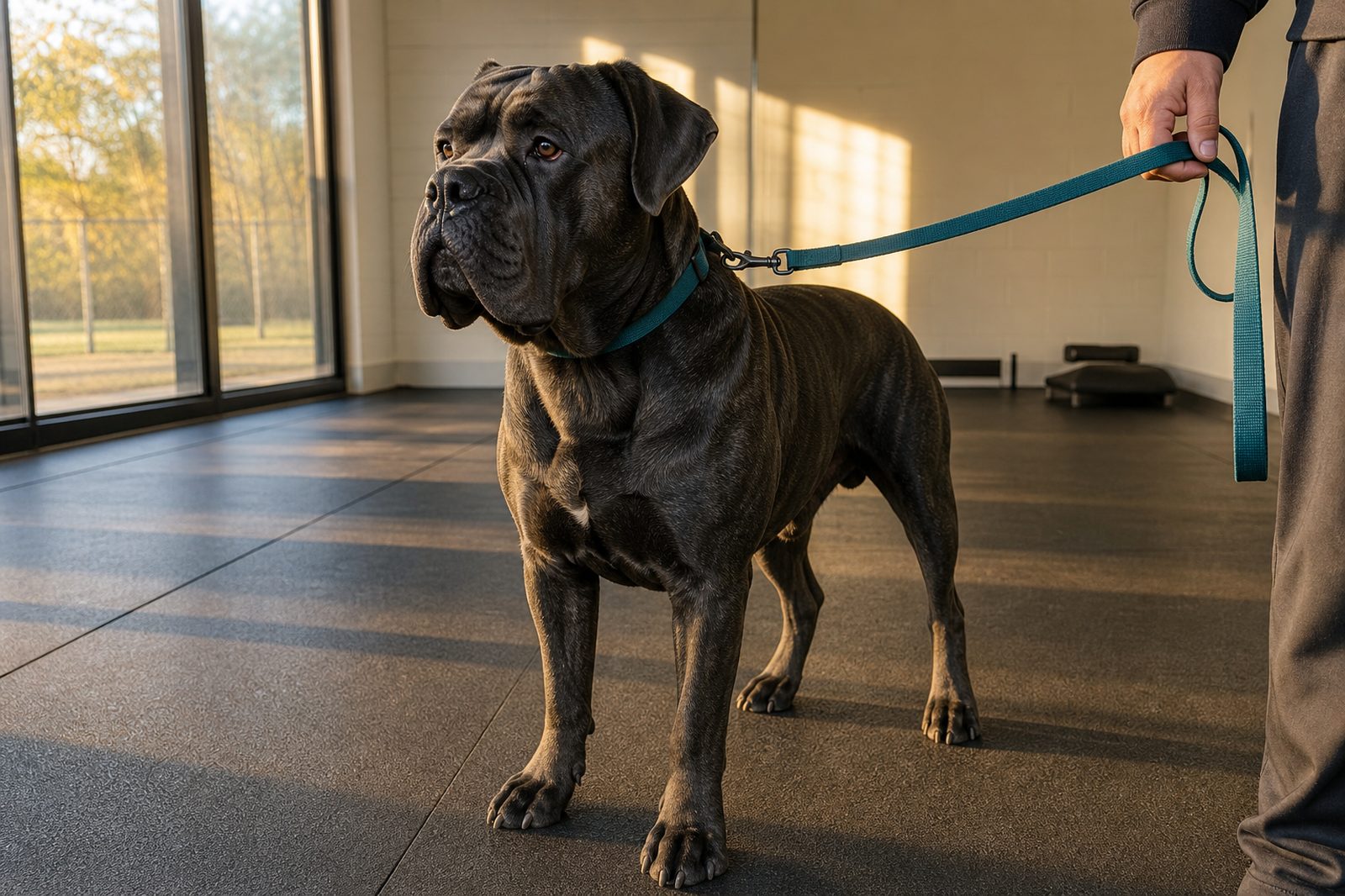
- Owners following a veterinarian's guidance to delay spay or neuter, common with large and giant breeds where a vet may recommend waiting until growth plates close
- Owners of young dogs who simply are not old enough yet for the procedure
None of these owners need to explain themselves at intake. The assessment process is the same regardless of the reason a dog is intact, and the placement decision comes from the same behavioral read every other dog gets.
What to Bring and Expect on Day One
First visits move faster when a few things are ready in advance:
- Current vaccination records, the same requirement that applies to every dog, altered or not
- A heads-up if a female dog is in heat or approaching one, so staff can plan her schedule before she arrives rather than at drop-off
- Any known triggers or history with other dogs, shared plainly, so the assessment reflects the real dog rather than a guess
- Standard boarding items if the visit includes an overnight stay: food, medication, and a familiar bed or blanket
Most first visits start with the PD360 Assessment; current pricing is on the pricing page. From there, placement (DaySchool, DayCamp, boarding, or a training program) follows what the assessment found, not a checkbox on an intake form.
Frequently asked questions
Does Partners Dogs require my dog to be spayed or neutered before daycare or boarding?
No. Partners Dog Training accepts intact dogs at both the Scottsdale and Cave Creek campuses for daycare, DayCamp, boarding, and training. Placement is based on a behavioral assessment, not on whether a dog has been altered.
Can two intact male dogs be in the same group at the same time?
It depends on how each dog reads in the assessment, not on the fact that both are intact. Group composition and staff placement are built around individual temperament, arousal control, and size, with a trainer for every 10 dogs to catch tension early. Dogs already showing conflict with other dogs get a separate evaluation before any group placement.
What happens if my female dog is in heat during a boarding stay?
She stays in her own suite and keeps a private outdoor schedule separate from other dogs for the duration of her cycle. She is not placed in mixed group rotations while in heat. Let staff know in advance if a cycle is expected during the stay so it can be planned around from day one.
Will my intact dog be forced into open group play?
No. Placement follows the PD360 Assessment. Dogs with strong impulse control and a calm read on other dogs may fit DaySchool's open play over time. Dogs who need more structure around arousal, intact or altered, are placed in DayCamp's smaller, trainer-led sessions instead.
Should I spay or neuter my dog before starting training?
That is a medical decision between you and your veterinarian, based on your dog's breed, age, and health. Partners Dog Training does not advise on it either way. Training and group placement work the same regardless of the timeline you and your vet choose.
Do you accept intact dogs for boarding and training camps, not just daycare?
Yes. Intact dogs are accepted for boarding in individual suites at both campuses, and for training programs: Foundation Camp, Behavior Camp, and Transform Camp. Every dog is assessed the same way before placement.
Ready when you are
Bring Your Intact Dog In on Their Own Terms
No spay or neuter requirement, no blanket exclusion, just a behavioral assessment and a placement that fits the dog in front of us.
Keep reading