In short
A dog first-aid kit for Arizona desert hikes needs cactus-spine tweezers, saline, non-stick bandaging, cooling gear, and a plan for heat exhaustion, cactus injuries, cut pads, and rattlesnake bites. Trails from Browns Ranch in North Scottsdale to Cave Creek Regional Park turn dangerous fast once temperatures climb, so most of what keeps a dog safe is preparation before you leave the trailhead, not treatment after something goes wrong.
Why Every Arizona Trail Dog Needs a First-Aid Plan
Your dog does not have to be a serious hiker to face real outdoor risk in Arizona. Plenty of families near our Scottsdale campus and Cave Creek campus love an easy sunrise walk on a desert path, a stroll along a canal, or a weekend trip up north to cooler trails. In every one of those places, the same hazards show up again and again: heat that sneaks up faster than you expect, cactus and sharp rock that shred paw pads, and desert wildlife that can turn one wrong step into an emergency. When something goes wrong, what you do in the first few minutes can make a real difference by the time you reach a veterinarian.
Preparation is part of prevention. Most desert trail emergencies start small and avoidable: heading out too late in the morning, skipping a water refill, or missing the early signs of heat stress until the dog is already in trouble. A first-aid kit and a plan will not turn you into a veterinarian, but they buy you time and options when a clinic is 20 minutes away instead of two.
This guide covers three pieces: building an Arizona-ready dog first-aid kit, recognizing and handling the most common trail emergencies, and practicing your plan before you actually need it. If your dog struggles to come back to you the moment they spot a lizard, javelina, or something moving in the brush, that is worth solving before it turns into a first-aid situation at all. A dog with a reliable recall is much easier to call away from a cactus patch or a snake before contact ever happens.
What to Pack in a Dog First-Aid Kit for Arizona Desert Hikes
A generic pet first-aid kit is a fine starting point, but it will not cover cactus spines, hot-ground burns, or being miles from your car. Think of your gear in two layers: a compact trail pouch that lives in your hiking pack, and a fuller home or car kit you can reach quickly when something happens closer to the house.
For the trail, keep it compact and multi-use:
- Tweezers or small needle-nose pliers, non-negotiable in cactus country, for pulling individual spines from paws and skin
- A fine-tooth comb or plastic hair pick to flick off a "jumping" cholla segment without driving barbs in deeper
- Saline or clean water plus a needleless syringe to flush dirt, sand, or seeds from eyes and wounds
- Non-stick pads, gauze rolls, and self-adhering wrap to turn a clean sock into a quick bootie over a cut or blistered paw
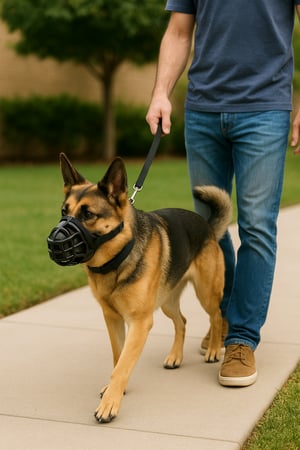
- A soft muzzle or a roll of gauze to use as a temporary muzzle so a painful, frightened dog cannot bite while you work on their feet or face
Round it out with instant cold packs, a small microfiber towel, and extra water for cooling the groin, armpits, and paw pads on the walk back. Add a small flashlight for dawn and dusk hikes, a pair of gloves, and a printed card with your regular vet's number and the nearest 24-hour emergency clinic. Write down any medications your dog takes so you are not trying to remember details while you are stressed.
What to Keep in Your Home or Car Kit
Your home or car kit can be more fully stocked than the trail pouch. Include larger quantities of bandage material, an Elizabethan-style collar or soft recovery cone to keep your dog from licking a wound, and extra saline, gauze, and tape so you are not rationing supplies in a stressful moment. Keep a copy of your dog's vaccine records here too, especially proof of rabies, in case a wildlife encounter sends you to an emergency clinic.
Store the kit where Arizona heat will not destroy it. A car parked in full sun turns into an oven fast, so reserve the trunk for short stops only and keep your main kit indoors near the door you use for hikes.
Next step
Give Your Dog the Skills to Avoid a Snake Encounter
A first-aid kit is what you use after something goes wrong. Professional rattlesnake avoidance training is what helps your dog steer clear of one in the first place, whether you hike near Scottsdale, Cave Creek, or anywhere else in the desert.
How to Handle Heat Exhaustion and Heatstroke
Heat comes first because it can turn life-threatening within minutes. Watch for early signs of distress: a slowing pace, heavy panting that does not match the level of exercise, and bright red or very pale gums. Those signs show up before a dog actually collapses.
At the first hint your dog is struggling, move them into shade immediately. Offer small, frequent sips of cool, not ice-cold, water. Soak a towel and apply it to the groin, armpits, and paw pads, and stop all activity. If your dog is wobbly, unable to stand, vomiting, or seems mentally checked out, treat it as an emergency: begin cooling while someone else calls the nearest ER clinic, then transport as soon as you can safely move them. Overcooling or forcing water down a struggling dog can be dangerous, so the goal is controlled, steady cooling on the way to professional care, not a race to get them as cold as possible.
How to Handle Cactus and Cholla Injuries
Cactus and rough desert ground are a close second on the list of common trail injuries. For isolated spines in a paw or leg, keep your dog as still as you can, then use tweezers to pull each spine straight out without squeezing the base. If a cholla segment is attached, slide your comb between the segment and the fur, then flick it away in one motion before removing the remaining spines.
Muzzle a fearful or very painful dog with a soft bandage or a slip-leash loop before you start, so an otherwise gentle dog cannot bite out of pain. When spines cover the face, eyes, mouth, or a large area of the body, or your dog fights handling, stop and head straight to a vet. Removing spines from those areas safely usually requires sedation.
How to Handle Cut Pads and Rattlesnake Bites
Pad cuts and scrapes can be rinsed with saline or clean water, gently patted dry, then covered with a non-stick pad and wrapped snugly, not tightly, with gauze and self-adhesive wrap. A bootie or sock over the bandage helps keep dirt out until you reach a clinic. Treat any deep cut, persistent bleeding, or obvious lameness as a reason to seek same-day veterinary care.
Rattlesnake bites are the scariest trail emergency, and the rules are simple: do not cut, suck, or tourniquet the wound; do not give pain medication; and do not wait to see how it looks. Keep your dog as calm and still as possible, carry them if you can, and drive straight to the nearest veterinary hospital that stocks antivenom. Call ahead so the team is ready when you arrive. Your job in the first few minutes is to prevent extra movement and stress, not to treat the bite yourself.
A kit only helps after a bite has already happened. Many desert families skip the encounter entirely by enrolling ahead of hiking season in rattlesnake avoidance training, which teaches a dog to recognize and back away from a snake's sight, sound, and scent on its own.
How to Practice Your Dog's First-Aid Plan
Practice pieces of your plan when nothing is wrong, because real emergencies are too stressful to figure things out for the first time. Open and re-pack your kit every few months. Walk through how you would contact your vet or the nearest ER clinic from a popular trailhead near Scottsdale or Cave Creek. Rehearse simple handling too, like checking paws and lifting your dog safely, so it is not the first time you have tried it. When something real happens, those dry runs make it far easier to help your dog quickly and confidently until a professional can take over.
Frequently asked questions
What should be in a dog first-aid kit for Arizona hikes?
Pack tweezers for cactus spines, a fine-tooth comb for cholla, saline and a needleless syringe to flush wounds, non-stick pads and self-adhering wrap, a soft muzzle, instant cold packs, a towel, extra water, and a card with your vet's and the nearest emergency clinic's numbers.
How do I remove a cactus spine from my dog's paw?
Keep your dog as still as possible and pull each spine straight out with tweezers without squeezing the base. For an attached cholla segment, slide a comb between the segment and the fur, then flick it away in one motion before removing remaining spines. Muzzle a painful or fearful dog first with a soft bandage or slip-leash loop, and head straight to a vet if spines cover the face, eyes, or mouth.
What are the first signs of heatstroke in a dog?
Early signs include a slowing pace, heavy panting that does not match the activity level, and bright red or very pale gums. At the first sign, move your dog to shade, offer small sips of cool water, and apply a wet towel to the groin, armpits, and paw pads. Wobbliness, vomiting, or being unable to stand is an emergency: begin cooling while someone calls the nearest ER clinic and transport as soon as it is safe.
What should I do if my dog gets bitten by a rattlesnake?
Do not cut, suck, or tourniquet the wound, and do not give pain medication or wait to see how it looks. Keep your dog as calm and still as possible, carry them if you can, and drive straight to the nearest veterinary hospital that stocks antivenom, calling ahead if possible so the team is ready when you arrive.
Can training help prevent desert trail injuries?
Yes. A dog with a reliable recall is far easier to call away from a cactus patch or a snake before contact happens, and professional rattlesnake avoidance training teaches a dog to actively steer clear of a snake by scent, sight, and sound.
Before your next hike
Train the Habits a First-Aid Kit Can't Replace
A kit buys you time on the trail. A dog that reliably comes back when called, ignores wildlife, and holds still for a paw check keeps you out of an emergency in the first place. Partners Dogs trainers near Scottsdale and Cave Creek build both.
Keep reading