In short
Dog aggression training in Scottsdale starts with a PD360 Assessment, not a straight-to-camp sign-up. That evaluation is what places your dog into Behavior Camp (21 nights boarded) or Transform Camp (28 nights boarded) for crisis-level cases, and both run inside a 12 to 16 week arc that includes the boarded stay plus follow-up coaching once your dog is home.
If your dog has gone after another dog, or after a person, you want two things: to know your household is safe right now, and to know whether a program exists to address this, not a vague promise. There is. Here is what that looks like in Scottsdale, what it costs to start, and what the timeline really is.
Is My Dog Aggressive, or Reactive?
Reactivity and aggression are not the same problem, and mixing them up leads families to underreact or overreact. A reactive dog barks and lunges at the end of a leash but is not making contact, and in most cases would not if the leash were dropped. That is a problem worth fixing, and it has its own path (our leash-reactive dog help covers it directly).
Aggression is different: your dog has bitten, has attempted to bite and only missed by circumstance, has caused injury to another animal or person, or has escalated past warning signals into contact. It can be directed at other dogs, at strangers, at family members, or at anyone entering a specific space. Our dog aggression assessment and training page breaks down the common triggers: fear, resource guarding, territorial defense, redirected frustration, pain-driven irritability. If you are not sure which one describes your dog, that is normal, and it is exactly what an assessment is for, not something to self-diagnose from a blog post.
What to Do in the First 48 Hours After an Incident
The first two days after a bite or fight are about management, not training. Nothing you do in this window fixes the underlying behavior. The goal is to prevent a second incident while you arrange next steps.
- Separate first. Dogs that fought do not "work it out" on their own. Use gates, crates, or separate rooms until you have a plan.
- Manage, don't punish. Correcting a dog right after a bite tends to add fear on top of whatever triggered it. Remove access to the trigger instead.
- Get any injury looked at by the right professional: a doctor for a person, a vet for another animal, rather than guessing at home.
- Write down what happened. The trigger, how much warning there was, and how close everyone stood. An assessment is only as good as the history behind it.
- Skip the dog park and off-leash meetups. Keep walks on-leash and greetings controlled or paused until you have a plan in place.
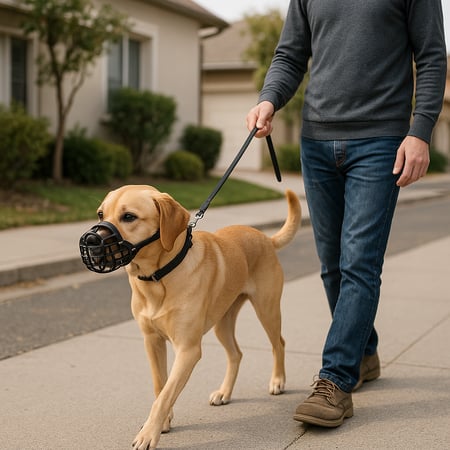
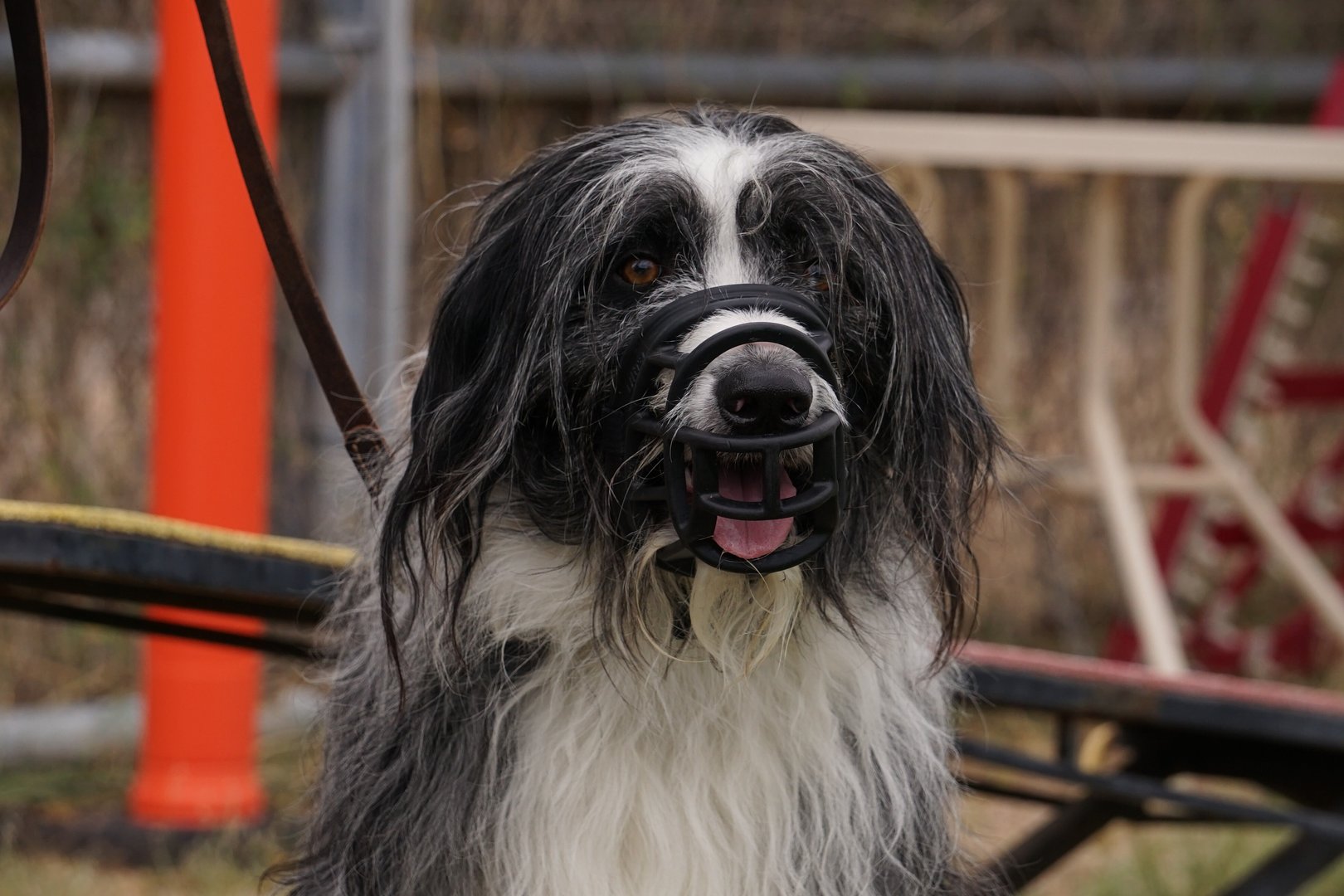
- A basket muzzle is a safety tool, not a punishment. A properly fitted muzzle that still allows panting and drinking is a reasonable bridge before you have a training plan, not a fix on its own.
None of this is medical advice. If a person was bitten, medical care is a decision for their doctor, not this article. If your dog was injured, that call belongs to your veterinarian. This list does not replace an assessment. It is how to get through the next 48 hours without a second incident while you arrange one.
Why the PD360 Assessment Comes Before Any Program
We do not let a family enroll directly into Behavior Camp or Transform Camp off a phone call, and that is deliberate. Aggression cases are not interchangeable. A dog that guards a food bowl from a housemate and a dog with a bite history toward strangers at the door need different intensities of intervention and, in some cases, a different length of stay. The PD360 Assessment is how we find out which one we are looking at before we ever quote a plan.
The assessment fee is credited toward camp enrollment if you enroll the same day, and current rates for a first dog and any additional household dogs are on the pricing page. A trainer works directly with your dog, reads body language and thresholds as they happen, and reviews the incident history you bring in. That combination is what determines placement, not a guess made over the phone.
The assessment also sets your dog's starting point in our PD360 Pet Progress Tracking System, so the improvement your dog makes during a boarded stay is measured against something concrete instead of a trainer's general impression at pickup.
Next step
Get a clear read on your dog's case, not a guess
A PD360 Assessment tells you exactly where your dog stands and which program fits, before you commit to either one.
Behavior Camp vs Transform Camp: Which Fits Your Case
Both programs are boarded, both include follow-up coaching once your dog comes home, and the difference between them is the severity of the case, not the quality of attention your dog gets. Behavior Camp runs 21 nights boarded and is where most moderate cases land: resource guarding between housemates, fear-based snapping at strangers, dog-to-dog tension that has not yet caused serious injury, or reactivity that has crossed into occasional contact. Transform Camp runs 28 nights boarded and is built for crisis-level cases, meaning a documented bite history, repeated incidents, or a safety risk serious enough that the household cannot currently manage it day to day.
Neither camp is a warehouse stay. Every dog in our boarded programs is supervised at one trainer per 10 dogs, a ratio many larger Phoenix-area daycare-style facilities do not match (some run closer to 20 or 50 dogs per handler). For an aggression case, that ratio is what lets a trainer catch early signals of escalation before they build, instead of reacting after the fact. If your dog's case sits somewhere in between, or if the assessment finds general obedience gaps underneath the aggression that a shorter stay could address first, our trainer will say so plainly rather than defaulting to the longer program.
What the 12 to 16 Week Arc Looks Like
The boarded stay is the most intensive part, but it is not the whole program. Behavior Camp and Transform Camp are both built as a 12 to 16 week arc that starts the day your dog checks in and continues well after they come home.
- The boarded stay: your dog lives at the facility, works daily with trainers on the specific triggers identified in the assessment, and builds foundational impulse control and threshold work before anything trigger-specific is introduced. Progress is logged against the PD360 baseline set at intake.
- The go-home transition: before your dog comes home, you go through a handoff session covering what your dog has learned, the cues and tools used, and what to expect in the first weeks back in your house.
- Follow-up coaching: this is what separates a full behavior program from a board-and-train that hands the dog back and hopes it sticks. Trainers work with you and your dog in the home environment to generalize what was taught at the facility: greetings at the door, walks past triggers, mealtime routines, whatever was in the original incident history.
Twelve to sixteen weeks is the typical range because dogs do not generalize on identical timelines. A dog with one trigger and a consistent household often lands toward the shorter end. A dog with multiple triggers runs longer. Neither is a failure, it is why the follow-up coaching exists instead of the program ending at pickup.
What Management Looks Like at Home During Training
Training reduces risk, it does not remove your responsibility to manage the environment, especially during the arc. While your dog is boarded, your job is mostly logistics and preparing the household (kids, other pets, visitors) for the go-home transition. Once your dog is home and in follow-up coaching, management becomes daily practice:
- Keep using the physical tools your trainer sends home with you: gates, crates, or a muzzle if one was part of the plan, until your trainer clears a step down.
- Do not test the behavior on your own to "see how it's doing." Every rehearsed incident works against the generalization your dog is building.
- Hold off on dog parks and unsupervised multi-dog play until your trainer has cleared it, not before.
- Keep the follow-up coaching sessions once things feel calmer. That calm is usually the training working, not finished.
- Loop in every adult in the household. A program only works as well as its least consistent handler.
A Scottsdale-based team matters here in a practical way. Your trainer can see your actual front door, yard, and walking route, and adjust the plan to what your household really looks like instead of a generic script.
What Results Look Like, and What Nobody Can Promise
No program, ours or anyone else's, can promise your dog will never show aggression again, and you should be skeptical of anyone who tells you otherwise. Aggression is not a switch that gets turned off, it is a set of triggers and responses that get identified, interrupted, and replaced with trained alternatives through consistent structure. A program built this way delivers a measurable change: a dog that used to lunge at every dog on a walk now holds a sit while one passes at a safe distance, a dog that guarded food from a housemate now eats calmly in separate stations, a household that used to dread the doorbell now has a dog with a job to do when it rings.
That change takes the boarded work, the follow-up coaching, and a family that keeps doing the management piece above. We will not shorten the timeline to make you feel better, promise a "cure," or guarantee an outcome before your dog has been assessed. We will size the case accurately at the PD360 Assessment, place your dog in the program that matches the severity, and stay in the loop through the entire arc.
Partners Dogs has trained more than 70,000 dogs across Arizona over 28 years, judged by behavior, never breed or background, intact dogs included. That history includes a 4.8-star rating across 2,000+ reviews. It is why families in Scottsdale, Cave Creek, and across the Phoenix area come to us for the cases other programs turn away.
Frequently asked questions
What if the PD360 Assessment finds my dog needs a different program than Behavior Camp or Transform Camp?
Some assessments turn up general obedience gaps underneath the aggression, or a case that sits between the two camps. When that happens, your trainer will recommend the program that fits the case, which may be a shorter stay or a different track, rather than defaulting to the longer or more expensive option.
How long does dog aggression training take?
Behavior Camp is 21 nights boarded for most moderate cases. Transform Camp is 28 nights boarded for crisis-level cases with a bite history or repeated incidents. Both sit inside a larger 12 to 16 week arc that includes the boarded stay plus follow-up coaching once your dog is home, since generalization happens in your actual house, not only at the facility.
What is the difference between a reactive dog and an aggressive dog?
A reactive dog barks and lunges at the end of a leash but is not making contact. An aggressive dog has bitten, has attempted to bite, or has caused injury to a person or another animal. The distinction changes both the urgency and the plan, which is exactly what the assessment is for if you are not sure which one describes your dog.
Do you accept all breeds and intact dogs for aggression training?
Yes. We evaluate every dog on its actual behavior, not its breed or whether it is spayed or neutered. Intact dogs are accepted into our behavior programs the same as any other dog.
What should I do in the first 48 hours after my dog bites another dog?
Separate the dogs and manage the environment instead of punishing the dog after the fact. Have any injury evaluated by a vet or a doctor rather than guessing at home, write down exactly what happened, and avoid dog parks until you have a plan. A properly fitted basket muzzle is a reasonable safety bridge for walks or visitors, not a fix on its own.
Will my dog be completely cured of aggression?
No responsible program can promise that. Aggression is managed and reduced through structure, trained alternatives, and consistent follow-through at home, not eliminated as if it never happened. A realistic goal is a household that is measurably safer and more predictable, with your ongoing management keeping it that way.
Ready when you are
Give your household a safer, more predictable daily life
Start with the assessment that sizes your dog's case correctly, then move into the program built for it, Transform Camp for crisis-level cases or Behavior Camp for moderate ones.
Keep reading