The gist
3 bite-history categories, 3 different programs. A single reactive bite tied to a clear trigger often responds to Behavior Camp. A repeated pattern, usually resource-based, needs longer structured work. Aggression escalating toward people or other dogs in the household is what Transform Camp was built for. Training reliably raises the threshold it takes to trigger a reaction, sharpens warning signs, and builds routines that hold up on a bad day, but it does not erase the bite history itself.
Families researching this question are usually standing in one of two places: right after an incident, or months into training that has not gone the way a brochure promised. Both spots deserve the same answer, not a sales pitch and not a verdict. What follows sorts bite histories by what happened, states what intensive training reliably changes, and names what a family should expect to manage for good.
Can a Dog With a Bite History Be Trained? Two Myths Get in the Way
Two opposite myths keep families stuck at exactly the moment they need a clear plan. The first myth says a dog who has bitten is finished: unadoptable, untrainable, a case to manage only by giving up. The second myth runs the other way, promising that enough weeks in the right board and train program erases any history and returns the dog to some imagined normal. Neither one survives an assessment.
The first myth ignores how many difficult cases still improve with the right structure. A previous trainer told one Scottsdale client she needed to put down her reactive American bulldog at six months old, a painful call for any family to hear about a dog this young, and one a trainer can reach in good faith when a case looks out of options from where they are standing. Six months into working with Partners Dogs instead, her review put it plainly: I've been working with Nicole and chase for six months now and Apollo is improving.
Aggie E., Scottsdale Improving is not the same claim as fixed, and that gap between the two words matters more than either myth admits. It is a real, meaningful outcome for a family who had already been told there was not one, and it does not mean every early euthanasia recommendation is wrong, only that a second assessment can sometimes find more room to work with than the first one did.
The second myth fails just as often, in the opposite direction. A dog with a documented pattern of bites, especially toward the people who live with it, is not a two-week project. Treating it like one is how families end up back where they started, only more discouraged and less trusting of the next program they try.
Sorting the History: One Incident, a Pattern, or Escalation Toward Family
A bite history is not one category. A single reactive snap, a repeated pattern, and aggression escalating toward people or other dogs at home are three different starting points, each needing a different program.
- A single reactive bite. One incident tied to a clear trigger such as pain, a startle, or being cornered, with no pattern before or after. Often responds well to Behavior Camp once a trainer confirms the trigger and baseline temperament.
- A repeated pattern. Multiple incidents, often tied to a resource such as food or a toy. Our food aggression assessment and training page covers these cases, which typically need longer, more structured intervention.
- Escalation toward family, or between dogs in the home. Bites aimed at people in the household, or repeated fights between household dogs, are what Transform Camp was built around. Our household dog aggression assessment and plan page covers dog-to-dog fights at home; our people aggression assessment and safety planning page covers bites aimed at people.
Rescue placements show this sorting in action. One rescue director described dogs her group refers for aggression issues: We have used Partners to help us get these dogs under control and get them to the point where they are manageable and adoptable!
Lulubelle R., Cave Creek Manageable and adoptable is the goal for a repeated-pattern case, not "the history never happened," and a valuable outcome in its own right.
What Reliably Improves With Intensive Work
Four things change reliably when a bite-history dog goes through intensive, structured training. None of them are magic, and all four are why longer behavior-focused programs exist as separate tracks instead of a single quick fix.
- Thresholds. The distance, noise level, or provocation it takes to trigger a reaction typically gets measurably higher, giving a family more room to manage daily life safely.
- Handling. Owners learn specific, practiced skills: reading early warning signs, using tools correctly, and interrupting a building reaction before it becomes a bite.
- Predictability. A dog that used to react without warning starts giving readable signals before escalating, often the single biggest safety gain a family reports.
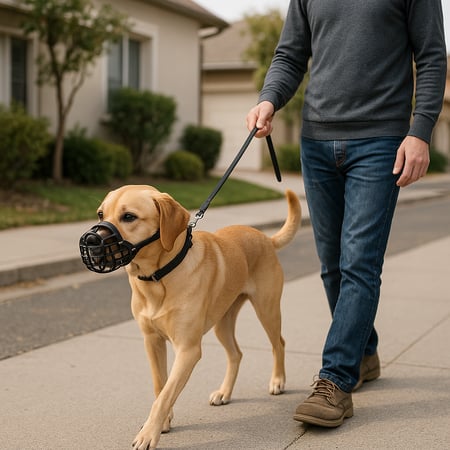
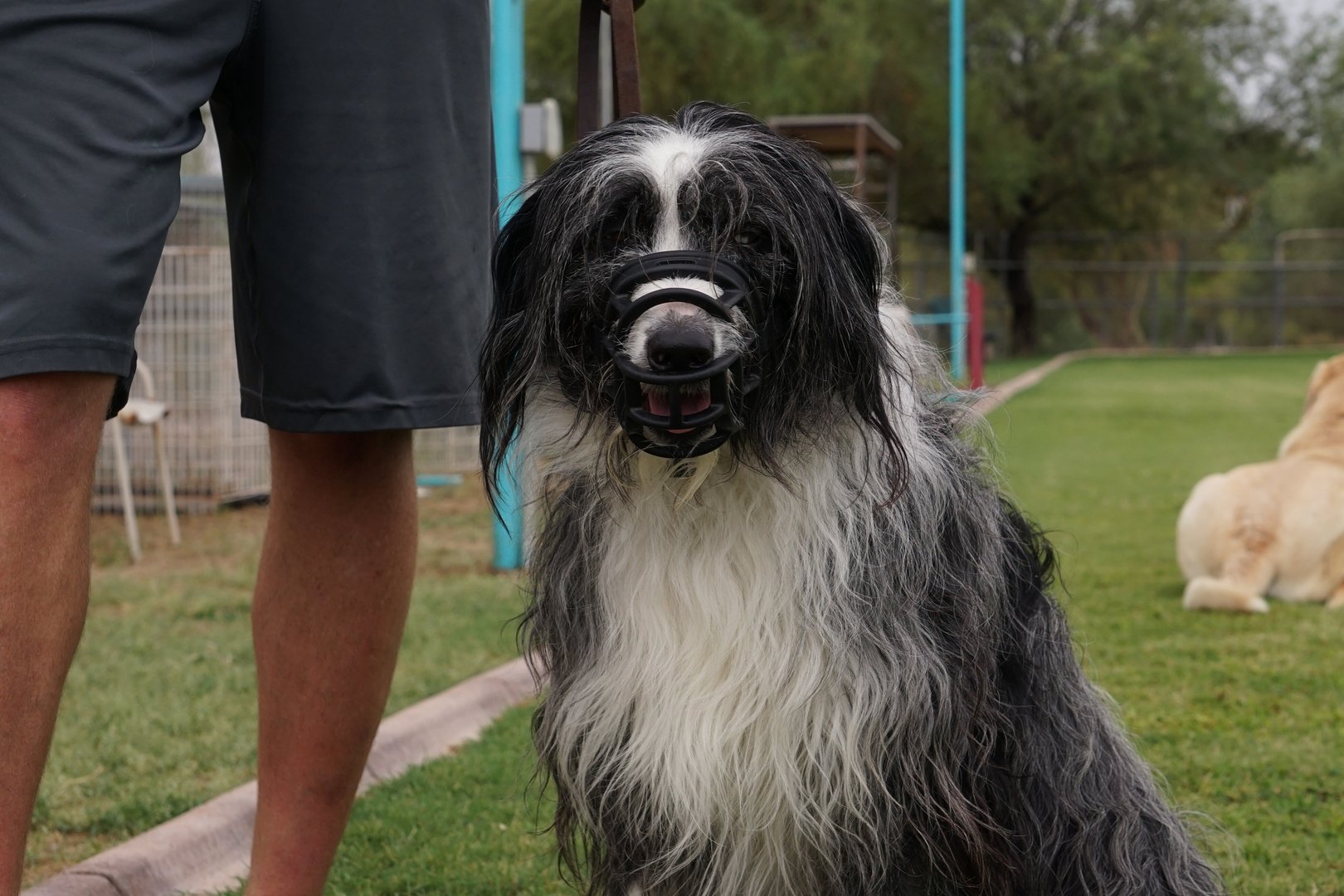
- Management routines. Muzzle conditioning, controlled introductions, and clear house rules become normal parts of daily life instead of emergency measures pulled out only after something goes wrong.
These four are the plain deliverables of a well-run program. None of them claim the underlying history is erased, and a trainer who promises otherwise before ever meeting your dog is skipping the exact step that would tell them the truth.
What Does Not Go Away, and How to Plan Around It
The bite history itself does not disappear, and pretending otherwise is how families get hurt by their own optimism. A dog that has bitten more than once, or bitten someone inside the household, carries that history for the rest of its life. Training changes the odds and the warning signs. It does not reset the record.
This matters most on bad days: a vet visit, a holiday with visitors, a startle in the dark. Thresholds that held for months can still narrow under enough stress. That is exactly why a program built for this kind of case keeps teaching management routines meant to hold up when something goes wrong, not only when everything goes right.
A written plan should say this part out loud instead of leaving a family to discover it later. Aggression aimed at specific people in the household changes what that plan needs to cover, and it deserves separate, careful handling from a case involving strangers rather than being folded into the same generic advice.
Before you commit to a program
See Which Program This Case Fits
A PD360 Assessment puts a trainer's hands on your dog directly instead of sorting your case from a phone description, and it separates a single incident from a repeated pattern before anyone commits to a program.
Why an Assessment Comes Before a Program, Every Time
No responsible program enrolls a bite-history case off a phone call. A trainer cannot tell a single incident from a repeated pattern, or a fear-based reaction from resource guarding, without putting hands on the dog and watching it respond to a genuine trigger. A PD360 Assessment is that step: a full day where a trainer works directly with your dog and your household before recommending anything.
This is also where medical causes get ruled out, not diagnosed. Pain, a neurological issue, or a sudden change in a senior dog's health can look identical to a behavior problem from across a living room. That side of the picture belongs to your veterinarian, not a training assessment, and a program that skips asking the question is skipping a step that protects your dog.
What a family leaves with is a specific placement: Behavior Camp for cases within its scope, or Transform Camp for the more severe or escalating cases. Partners Dogs draws on whatever combination of tools and methods gets a specific dog and family to a workable outcome, rather than leaning on one approach for every case, and out of tens of thousands of dogs trained, only a small handful have ever been turned away. That handful is limited to the rare case involving a neurological issue, where a veterinarian, not a training assessment, points toward a different kind of help. Naming that exception plainly, on the rare occasion it applies, is part of what the assessment is for.
Management That Holds Up on a Bad Day
A management plan that only works when everything is calm is not a management plan. The test that matters is a boarding stay during a stressful holiday week, a strange dog at the gate, or a startled reaction at the vet: the moments a plan is built to survive, not the easy ones.
One Cave Creek family has kept a fear-aggressive rescue on a standing follow-up schedule for exactly this reason, long after the original training stay ended. We still take him to follow-up group training every other week and he continues to improve.
Dawn B., Cave Creek That is what durable management looks like in practice: a routine repeated often enough to hold on a bad day, not a single dramatic fix from years ago.
For a family managing a bite history, that same standard applies at home. Muzzle conditioning practiced calmly before it is ever needed, a consistent response every adult in the house uses, and clear rules for new visitors are what keep a good outcome good long after the program itself has ended.
How to Read a Trainer Who Promises a Guarantee
A guarantee on a bite-history case is not confidence, it is a sales script. No trainer who has met your dog in person can promise a specific outcome before doing the work. The answer depends on a temperament read, the household, and how the dog responds to structure over multiple sessions, not a phone call.
Three signals separate a genuine assessment from a sales pitch:
- A written plan that names more than one possible outcome, including a limited one, not only the best case.
- An in-person assessment required before any promise gets made, since no phone call can tell a single incident from a pattern.
- Honesty about how rare a true exception is, naming the specific case, such as a neurological issue a veterinarian has flagged, rather than a vague reservation about case difficulty.
A trainer who skips all three and offers a guarantee anyway is telling a family what it wants to hear, not what the dog's case supports.
Frequently Asked Questions
Can a dog that has bitten someone be trained?
Often yes. Training reliably raises the threshold it takes to trigger a reaction, improves handling and warning signs, and builds management routines that make daily life safer and more predictable. What training does not do is erase the fact that the bite happened, and a written plan should say so plainly rather than promise a clean slate.
Does one bite mean my dog is aggressive for life?
Not automatically. A single reactive bite tied to a clear trigger, evaluated by a trainer in person, often responds well to structured work and does not carry the same long-term management needs as a repeated pattern or aggression aimed at people in the household. The history stays true either way, but the plan differs a great deal.
What is the difference between a single bite and a bite history?
A single bite is one incident, usually tied to an identifiable trigger such as pain, fear, or being cornered: no pattern shows up before or after it. A bite history involves more than one incident, or aggression that has escalated toward specific people or other dogs in the home, and it typically points toward a longer, more structured program like Transform Camp rather than a shorter one.
Can a trainer guarantee my dog will never bite again?
No responsible trainer promises a specific outcome before assessing your dog in person. A PD360 Assessment exists specifically to sort each case on its own terms, including naming a limited outcome when that is the accurate read, before any program starts.
Does a bite history ever fully go away with training?
The history itself does not go away. What changes is the threshold it takes to trigger a reaction, how readable the warning signs become, and how reliably a family can manage the specific situations that used to go wrong. For many dogs that adds up to a much safer, calmer life, even though the original history stays part of the record.
When the pattern is severe
Get the Program Built for This Case
Transform Camp is built for repeated bites and aggression directed at people in the household, with private family lessons and an in-home follow-up after the boarded stay. Less severe cases often fit Behavior Camp instead.
Keep reading