In short
Most dog bites are preventable, and prevention comes down to supervision and control rather than luck or breed. The dogs behind serious bites are rarely dogs their owners saw coming, they are dogs whose handlers missed the moment that mattered. Partners Dogs has trained Arizona dogs for 28 years, since founding our Cave Creek campus in 1997, and today also serves families at our Scottsdale campus.
Why Most Dog Bites Are Preventable
It is hard to think of your own dog as a potential danger. But the honest fact behind dog bite prevention is that any dog is capable of biting, and the bites that make headlines are almost never from dogs whose owners saw it coming.
A large share of serious bites involve children, and most of those incidents were preventable. Almost all of them came down to supervision and management, not to the dog being broken beyond repair. As owners, we have an obligation to manage the relationship we have with our dogs honestly, which in practice usually means the handler needs more training than the dog does.
Children and Dogs: The Highest-Risk Combination
This is the highest-risk combination in most households, and it is the one people are most likely to wave off.
- Never leave a dog alone with a baby or small child. Not for a minute, not to answer the door, not with a dog you would swear on. Nearly every serious incident involving an infant happened during a brief lapse in supervision by someone who trusted the dog completely.
- Be realistic about your dog's baseline. A dog who barks at or reacts toward visitors is not a good candidate to have around a baby without serious work first. Dogs who are confident, settled, and hard to rattle do better with small children.
- Introduce the environment before the child. Let your dog investigate the nursery and the baby's belongings well before the baby comes home, so nothing about the situation is new all at once.
- Manage the children too. Loud, fast, excited kids raise a dog's arousal and can trigger chase drive. Calm children are safer children.
- Work obedience around kids. Practicing basic control while children are present is what gives you something to fall back on when the room gets chaotic. If you want a structured way to build that control, work one-on-one with a private-lessons trainer.
Protection Is Not the Same as Possession
This distinction matters more than almost anything else in this article, because owners routinely misread one as the other and feel proud of a behavior they should be addressing.
A genuinely protective dog is friendly and neutral with people until there is an actual threat. That behavior is trained, deliberately, and it is rare.
What most owners are actually seeing is possessive or territorial behavior. That is the dog who growls, barks, or raises his hackles at every person and every dog who comes near, regardless of whether anything is happening. That is not your dog protecting you. That is your dog rehearsing a reaction, and every repetition makes it more automatic.
Once you see the difference, you have to start treating those moments as behavior to address rather than behavior to be pleased about. A possessive dog does not change overnight. Work it step by step, address each incident as it comes up, and expect it to take time. If your dog is already reacting to people who come near you or into your home, get help for a dog who reacts aggressively toward people lays out how that work is structured.
Not sure how serious it is
Find Out What Your Dog Actually Needs
A PD360 assessment tells you whether you are looking at a training gap or a real behavior risk, and which program actually fixes it.
Breed Does Not Predict Bite Risk, Supervision Does
Breed-specific legislation blames an entire breed for the behavior of individual dogs. It gets applied most often to Rottweilers and pit-bull-type dogs, and it does not make anyone safer, because any dog with teeth is capable of biting.
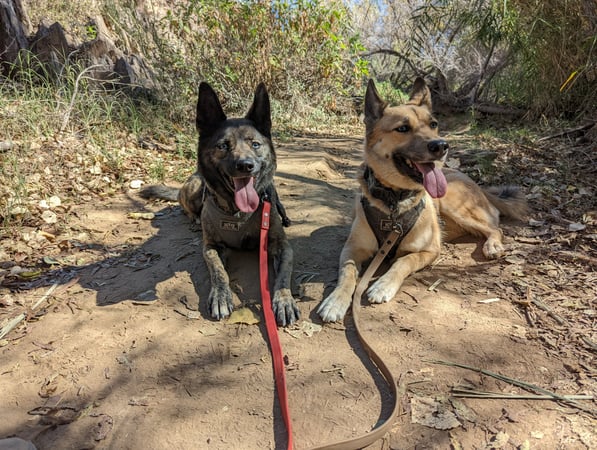
The more useful conversation is about fit and workload, not breed. Some breeds are simply not built to be ordinary house dogs with nothing to do. German Shepherds and Belgian Malinois are high-drive dogs that want a job, and that drive is exactly why people want them. It also comes with an obligation: a high-drive dog with no productive outlet for that energy will find one on his own, and it is rarely the outlet you would have chosen. Structured obedience work, like what we teach in Foundation Camp, gives that drive somewhere useful to go.
What Actually Prevents Bites
Supervision. That is the short answer, and it does not get more sophisticated with experience.
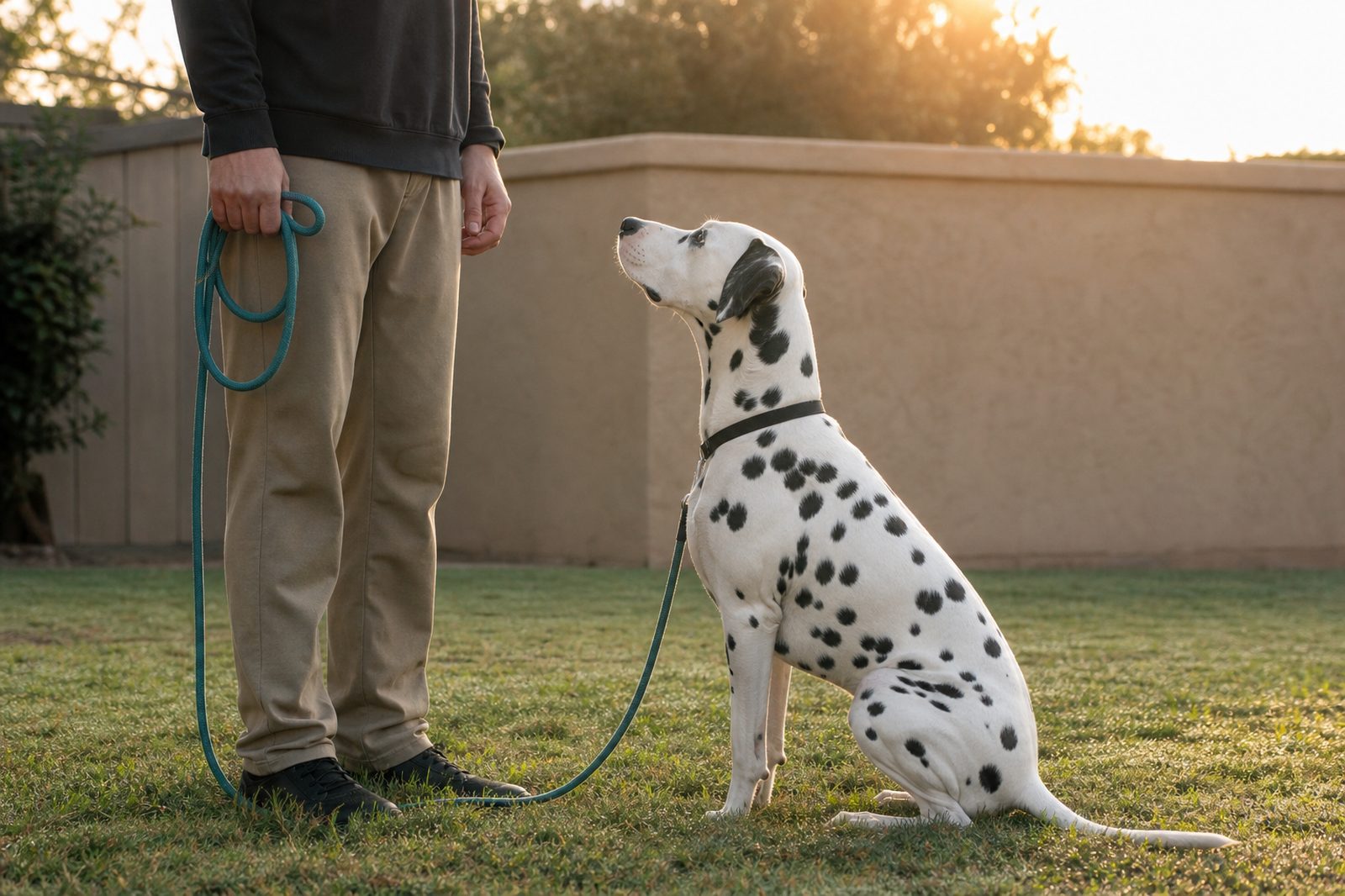
Mistakes with dogs are unavoidable, and situations change faster than people expect. What you control is whether you have real, reliable control of your dog, and whether you have prepared him for the high-arousal moments most likely to end badly. A dog who listens when it counts is a dog who does not end up in one of these stories. If your dog's everyday obedience needs work before you trust it around kids, guests, or other dogs, a Group Class is the lowest-commitment place to start building that control.
If you are already worried about your dog's behavior around people or children, do not wait for an incident to make the decision for you.
Frequently asked questions
Can any dog bite, even a friendly one?
Yes. Any dog is capable of biting under the right combination of stress, pain, surprise, or provocation, regardless of breed or history. Treating every dog as capable of biting, rather than assuming a friendly dog never would, is the mindset that actually prevents most incidents.
What is the biggest risk factor for a dog bite at home?
Unsupervised time between a dog and a child is the highest-risk situation in most households. Nearly every serious bite involving an infant or young child happened during a brief lapse in supervision by someone who trusted the dog completely.
What is the difference between a protective dog and a possessive dog?
A genuinely protective dog is friendly and neutral with people until there is an actual threat, and that behavior is deliberately trained and rare. A possessive or territorial dog growls, barks, or raises its hackles at every person or dog who comes near regardless of whether anything is actually happening, which is a behavior to address rather than a trait to be proud of.
Does a dog's breed determine whether it will bite?
No. Breed-specific legislation blames entire breeds for the actions of individual dogs, and it does not make anyone safer since any dog is capable of biting. What matters more is whether a dog's exercise, training, and supervision match its actual drive and workload.
What should I do if my dog already growls or reacts around people?
Do not wait for an incident to make the decision for you. A PD360 assessment identifies whether you are dealing with a training gap or a deeper behavior risk, and Partners Dogs' Behavior Camp and Transform Camp programs are built to reset that pattern with a boarded stay plus follow-up coaching.
Next step
Get a Plan Before a Growl Becomes a Bite
Behavior Camp and Transform Camp both begin with a PD360 assessment, so reactive or possessive dogs get the boarded stay and follow-up coaching that actually matches the risk.
Keep reading