The direct version
Boarding and board-and-train camps are worth the drive from Queen Creek; weekly classes are not. Foundation Camp, Behavior Camp, and multi-night boarding are built around one longer trip that replaces weeks of separate visits. Daily drop-off programs stay close to both campuses, so a Queen Creek family is better off planning a longer stay instead of a weekly commute.
“Does the trip from Queen Creek pay off?” is the first thing every Queen Creek family asks before they book anything with us. It is a fair question. Queen Creek sits well down in the Southeast Valley, and neither of our campuses, Scottsdale or Cave Creek, is a quick errand from there. The honest answer depends entirely on what you are driving for. A weekly obedience class is a hard sell when the round trip eats your evening every single week. A two-week Foundation Camp stay, a Behavior Camp intervention, or a boarded vacation stay is a different calculation, because you are making the trip once and getting weeks of structured care and training out of it.
Does dog boarding in Scottsdale or Cave Creek make sense from Queen Creek?
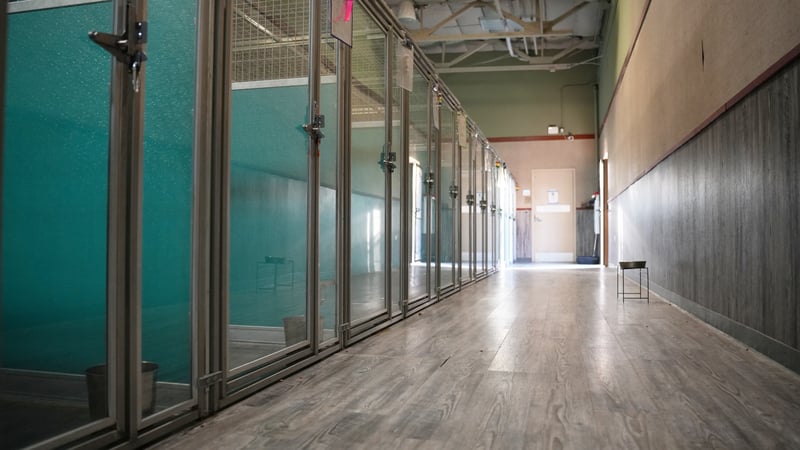
Boarding earns the trip when you need more than a couple of days of overnight care. A single overnight is hard to justify against the trip itself. A week or two while you travel is a different story, and it is exactly the length of stay boarding at Partners Dogs (a team of 50+ trainers who have worked with 70,000+ dogs since December 1997) is built around. Dogs get supervised turnout, hands-on staff attention, and daily updates instead of a neighbor checking in once. For a Queen Creek family, the calculation flips once the stay is long enough that a single trip covers the whole absence: one drive out, one drive back, and the dog is cared for the entire time you are gone.
What is the best boarding option for a family that lives far from both campuses?
The best option is the one that matches how long you will be gone. A weekend trip is a normal boarding stay: suites, daily care, no training add-on required. A longer absence (a work trip, a family visit out of state, a stretch where a dog would otherwise sit with a rotating cast of neighbors and apps) is where board and train starts to make more sense than plain boarding, because the dog comes home having done something with the time instead of just waiting it out. Luxury suites are standard here, not an upsell, and a PD360 Assessment is optional for boarding rather than required, so a Queen Creek family who only wants overnight care is not paying for training they did not ask for.
Is board and train worth it when a weekly commute is not realistic?
Board and train earns the drive when the goal is behavior change rather than supervision alone. Foundation Camp runs on a boarded schedule, 8-12+ hours a day of structured immersion, which is a different animal than a weekly class a Queen Creek family would need to drive to every week for two months straight. Compress that same instruction into one stay and the math for the drive changes completely: one trip out, one trip back, and the dog has been worked with daily by the same team the entire time. That is the case for board and train over commuting classes for any family more than a short hop from Scottsdale or Cave Creek, Queen Creek very much included.
Should a family drive for weekly group classes, or only for a longer stay?
Weekly group classes are the one program we would not tell a Queen Creek family to commute for. Group Classes and Private Lessons work because of repetition on a short interval, once a week, over several weeks, with homework in between. That rhythm depends on living close enough that the drive is not the reason a family skips week four. If Queen Creek is your zip code, a weekly commute to Scottsdale or Cave Creek is not a realistic habit to keep, and we would rather say so directly than sell a program that quietly turns into two sessions before it stops. What we can offer instead is concentrated: a camp stay that does the equivalent of weeks of instruction in one visit, plus handoff coaching so the work does not evaporate on the drive home.
Let the trainers weigh in
Get a straight answer before you commit to the drive
A PD360 Assessment gives you a straight read on which program fits your dog and your travel plans, not a guess over the phone. Bring your dog in, get a clear recommendation, and decide with clear information whether the trip is worth making.
What does a multi-night boarding stay look like once the dog arrives?
A multi-night stay follows a routine, not one long stretch of open play. Every dog gets a rhythm built around scheduled rest cycles rather than one long stretch of free time, which matters most for a dog making a long trip and a new environment on the same day. A typical stay moves through:
- Drop-off and a temperament read from the team on duty, so handling matches the dog from hour one.
- Structured turnout blocks mixed with downtime, not one long stretch of unsupervised play.
- Daily updates so you are not guessing from across the Valley or across the country.
- A pickup window where staff walk you through anything worth knowing before the drive home.
For a dog with any nerves about a new place, that structure matters more than it would for a dog boarding five minutes from home, because there is no quick drive back if something feels off. A first stay away from an owner can also come with its own short runway of prep: a tour, a DaySchool day, a written routine, worth doing regardless of how far you are driving in. That reassurance is exactly what a regular boarding client, Craig M., Scottsdale, meant when he said the team gave him “great peace of mind while I was away.”
What does Foundation Camp add that a boarding stay by itself does not?
Foundation Camp adds a full curriculum on top of the same boarded stay. A dog still gets supervised care, downtime, and daily updates, the same bones as boarding, but the days are also built around teaching, reinforcing, and proofing usable skills: leash manners, place, recall, thresholds at doors, whatever the dog needs. The full Foundation Camp structure, including length of stay and what handoff coaching looks like once the dog is home, is worth reading before you decide between plain boarding and the camp version, because the difference should buy you something specific beyond a longer stay. Benny, a Border Collie mix who came in for two weeks of Foundation Camp, is a fair example of what that curriculum covers day to day: threshold work, breaking a habit of bolting through open doors, building an off switch for a high-drive dog, and proofing skills like heel and sit under real-world distraction before his owners took him home. Read the full story for the day-by-day version.
What Arizona realities change the calculus for a long drive to board or camp?
Timing the trip around Arizona’s own seasons is part of doing this well. Monsoon season, roughly mid-June through the end of September, carries a meaningful storm risk on a late-afternoon drive home if a system builds over the East Valley. Rattlesnake season runs a spring window and a second one in the fall, which is exactly why snake avoidance training is worth stacking onto a camp stay if your dog spends regular time on desert trails near home. Triple-digit pavement from roughly May through September also means a multi-night stay, with climate-controlled rest and supervised turnout scheduled around the heat, is a safer bet than a solo dog left in a yard while a pet sitter checks in twice a day. None of that changes because the drive started in Queen Creek instead of North Scottsdale; it is the same desert on both ends of the trip.
What should a Queen Creek family plan before booking the drive?
Settle the program first, then build the trip around it. A PD360 Assessment confirms which program actually fits before you commit to a date, so the drive matches a solid plan instead of a guess. Book early: holidays and summer fill first at both campuses. Pack the same way you would for any boarding stay: current vaccine records, the dog’s regular food, and anything familiar from home, so the new environment is the only new variable. We serve families across a wide stretch of the Valley, and the full list of areas we regularly pull from is on our service areas page if you want to see how Queen Creek compares to other long-distance regulars. Queen Creek itself, incorporated back in 1989, has grown fast into its own community, which is exactly why we are starting to hear from more families out that way who want camps and boarding without the daily commute.
Key takeaways
- Boarding and camp stays make sense for a Queen Creek family; weekly classes do not.
- Foundation Camp adds a full teaching curriculum on top of the same boarded stay as regular boarding.
- A stay of a week or more, not a single overnight, is where the trip pays off.
- Arizona’s monsoon and rattlesnake seasons are worth timing around, wherever the drive starts.
- A PD360 Assessment gives a clear read on which program fits before you commit to the trip.
Frequently Asked Questions
What is the best board and train option for a Queen Creek dog?
For most first-time stays, Foundation Camp is the fit: a boarded, multi-week arc covering manners, leash work, and confidence building, with handoff coaching so the skills survive the drive home. Behavior Camp is the better fit if the concern is reactivity or aggression rather than general manners.
What is the best dog training option for a Queen Creek family?
If the goal is a single trip that gets meaningful training done, a camp is the better fit than weekly classes, which depend on a commute we would not recommend keeping up from that far out. If your dog only needs supervised care while you travel, plain boarding without the training add-on is the simpler route.
How far in advance should a Queen Creek family book a boarding or camp stay?
Book as soon as your travel dates are firm, especially around holidays and summer, when both campuses fill first. A deposit holds your reserved days; current rates and deposit details are on the pricing page.
Does Partners Dogs offer daily drop-off training near Queen Creek?
Not currently. Daily programs like DaySchool and DayCamp are built around a short local commute, which is not realistic from Queen Creek. Multi-night boarding and our camp programs, built around one longer trip instead of daily ones, are the better fit for families driving in from that far out.
Let us take a look
See what a boarding stay looks like before you plan the trip
Suites, daily updates, and hands-on staff attention come standard for a boarding stay, and Foundation Camp adds the same 1:10 trainer-to-dog ratio to every day of training. Browse the boarding page to see what a stay includes before you book the drive from Queen Creek.
Keep reading