At a glance
The canine cough vaccine (commonly called kennel cough vaccine) reduces your dog's risk of canine cough, and vaccinated dogs tend to get milder cases, but it does not eliminate the risk. The best prevention combines the right vaccine, timed ahead of social exposure, with basic hygiene around other dogs and your vet's guidance on boosters.
- The canine cough vaccine protects against Bordetella bronchiseptica, the main bacterial cause of canine cough. It does not cover every organism that can make a dog cough.
- Vaccinated dogs can still get canine cough, but cases are usually milder, shorter, and less likely to turn into pneumonia.
- Three types exist: mucosal (intranasal or oral) and injectable. Mucosal vaccines (nose or mouth) start working in about 3 to 5 days with one dose. Injectable takes longer and needs two doses.
- Puppies and seniors carry the most risk, as do newly rescued or undersocialized dogs: immature or aging immune systems plus the stress of new social settings.
- This article is information, not veterinary care. Every vaccine decision for your dog belongs in a conversation with your vet.
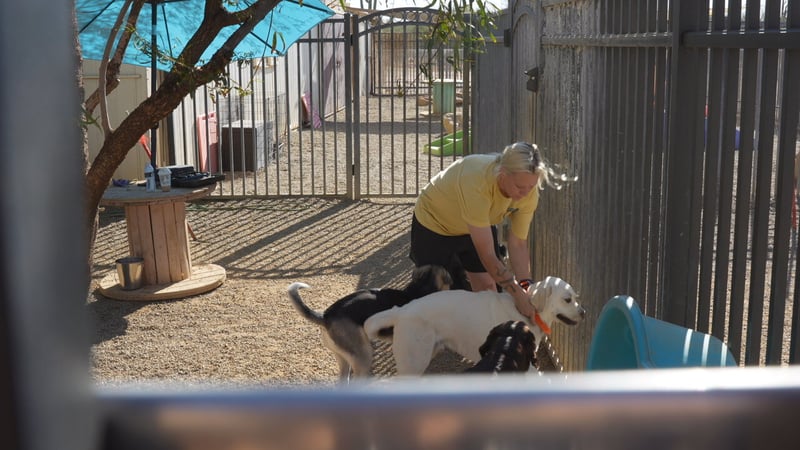
If you are a Scottsdale or Cave Creek Pet Parent whose dog has a social life, this is for you: daycare, boarding, grooming, training classes, dog parks. It covers what the shot does, the three types, when each starts working, which dogs need it, and what else keeps your dog safe. For what the illness itself looks like, read our canine cough explainer first.
Your dog comes home from boarding with a honking cough. The records show the canine cough vaccine was current. So what was the shot for? That question lands at our front desk every summer. The vaccine is worth giving. It will not remove the risk. A social dog carries social-dog risks, and you should know exactly what you are buying with that shot.
Does the canine cough vaccine actually work?
The short version: yes, at what it was built to do. It lowers the odds and softens the blow. It does not make your dog untouchable.
Prevention reduces risk. It never eliminates it. Hold onto that sentence. The bordetella vaccine covers Bordetella bronchiseptica, the main bacterial cause of canine cough. A vaccinated dog that coughs anyway is not proof the vaccine failed. The cough sounds the same either way, because "canine cough" is the nickname for canine infectious respiratory disease complex, a whole family of viruses and bacteria, and the vaccine only covers part of the family.
Here is what the shot buys you. Vaccinated dogs can still get infected, but the severity drops, the illness runs shorter, and the risk of it sliding into pneumonia drops with it (AKC). Think of it like a seatbelt. It doesn't prevent the crash. Nobody skips it because of that.
Dogs that attend daycare, boarding, grooming, dog parks, shows, or training classes are the ones vets point to first for this vaccine (AKC). Every dog your dog greets is another roll of the dice, and the vaccine weights the dice in your favor.
Every dog carries a different immune history, age, stress load, and exposure pattern, so no single prevention plan fits every dog.
The shot lowers the odds. It does not remove the risk. That is the honest sentence to hold onto.
By the numbers
What does the bordetella vaccine for dogs cover?
The short version: it covers Bordetella bronchiseptica, and some combo products also cover parainfluenza. The rest of the cough-causing family is on its own.
Bordetella bronchiseptica is a bacterium, one member of the coughing syndrome vets call canine infectious respiratory disease complex. The other members include parainfluenza virus, adenovirus type 2, distemper, canine influenza, canine herpesvirus, reovirus, respiratory coronavirus, and Mycoplasma (Atlas Veterinary). Vaccines exist for Bordetella, parainfluenza, adenovirus-2, distemper, and canine influenza. Infections from the rest cannot be prevented by any shot (South African Veterinary Association).
So "canine cough vaccine" usually means protection against the Bordetella bacterium, sometimes plus parainfluenza in the same dose. That explains the boarding-desk conversation: a current bordetella vaccine plus a coughing dog usually means one of the other family members got in. Read how long the cough runs its course to see what that looks like.
Two things follow. First, timing: the mucosal vaccines give protection after a single dose, but nothing works the morning of drop-off. Give the body its 3 to 5 days. Second, contagious dogs don't always look sick. Dogs can carry and spread these organisms before showing signs, and some never show signs at all (Lakeview Animal Hospital; AAHA). You cannot eyeball your way to safety.
Myth vs. fact: The canine cough vaccine
| Myth | Fact |
|---|---|
| The vaccine makes my dog immune to canine cough. | It lowers the risk and softens cases. Vaccinated dogs can still cough, but severity and duration usually drop (AKC). |
| Bordetella is "non-core," so it is optional. | AAHA calls it non-core because it is risk-based. "Noncore does NOT mean not important" (AAHA). A social dog's lifestyle is what makes it core for that dog. |
| One shot years ago still counts. | AAHA recommends annual boosters. Protection lapses, and facilities require current records. |
| The canine cough shot covers dog flu. | Canine influenza (H3N2/H3N8) is a separate, also non-core vaccine. Ask your vet whether your dog's lifestyle calls for it. |
Which canine cough vaccine type is right for your dog?
The short version: your vet picks the type, but know the trade-offs. Nose and mouth vaccines work faster with one dose. The shot takes longer but suits some dogs better.
Mucosal vaccines work at the airway surface where infection starts, building local immunity right at the point of entry, which is why the single fast dose is possible (AAHA).
| Intranasal | Oral | Injectable | |
|---|---|---|---|
| How given | Drops in the nose | Liquid in the cheek pouch | Shot under the skin |
| Doses to start | 1 | 1 | 2, spaced 2 to 4 weeks apart |
| Protection starts | About 3 to 5 days | About 3 to 5 days | Slower, often a week or more after the final dose |
| Earliest age | As early as 3 weeks (per product label) | Per product label, ask your vet | From 8 weeks |
| Boosters | Annually per AAHA | Annually per AAHA | Annually per AAHA |
| Notes | Live avirulent bacteria; builds immunity at the airway surface | Live avirulent bacteria; similar mucosal immunity | Killed or subunit products; nothing goes in the nose |
Side effects are mild and short-lived for most dogs: a day or two of lethargy or mild fever, and with the nasal version, some sneezing and a runny nose starting 2 to 5 days after, with mild coughing also possible (Bridgeport Veterinary Hospital). Serious allergic reactions are very rare (Nobivac KC label). Anything lasting more than a couple of days or worse than mild deserves a call to your vet.
Which dogs need the canine cough vaccine?
The short version: any dog that regularly shares air with other dogs. The more social the dog, the stronger the case.
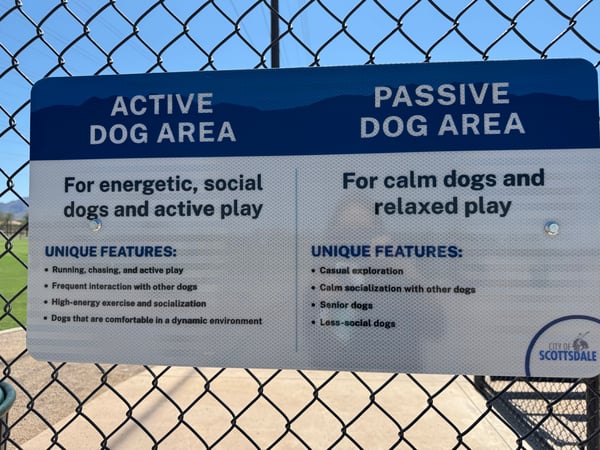
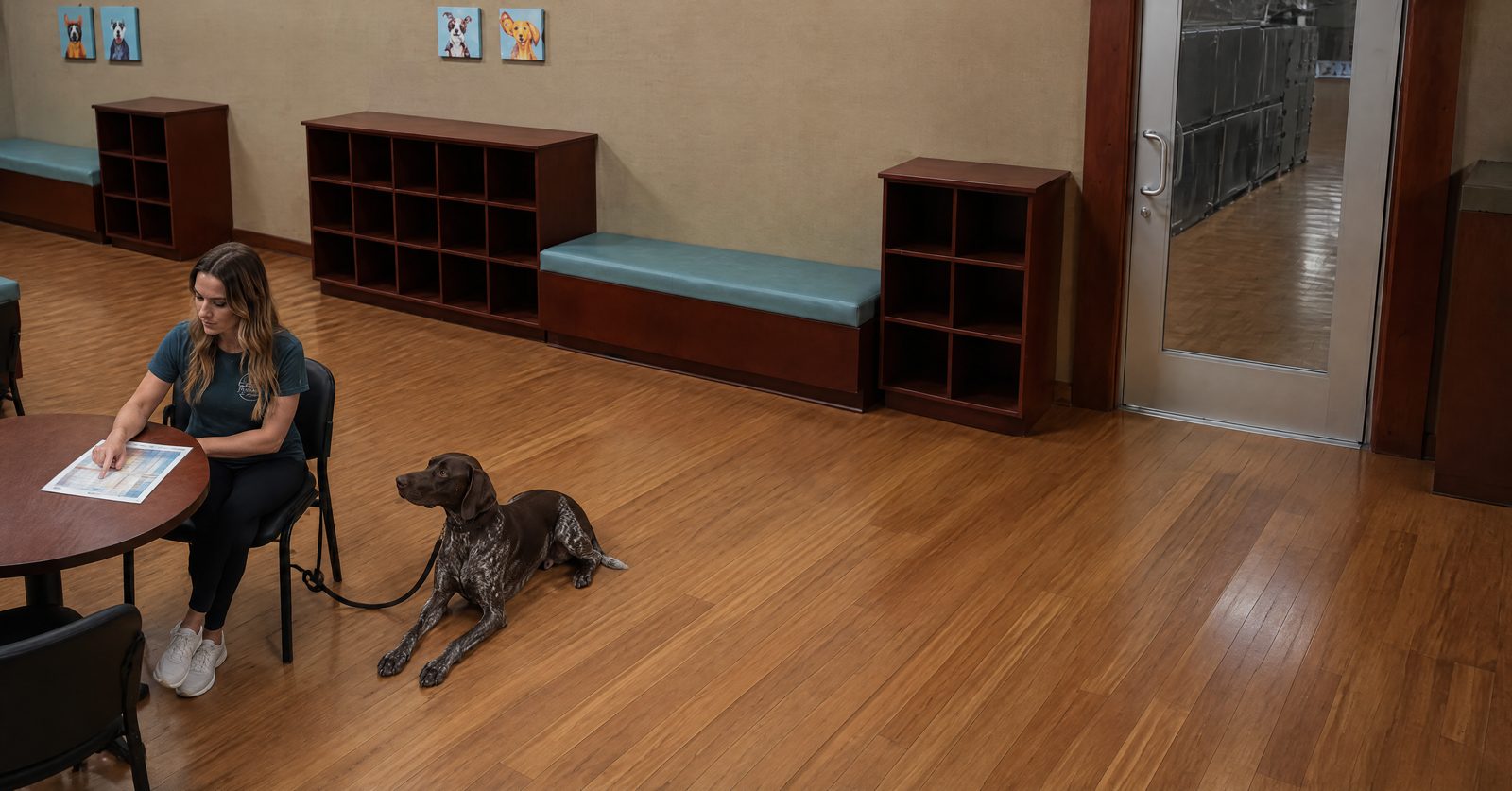
AAHA calls bordetella non-core, which means the recommendation follows the lifestyle, not a blanket rule (AAHA). Read your dog's calendar. Daycare, boarding, the groomer, group training classes, dog shows, sports, the dog park, the Cave Creek trailhead where every dog sniffs every other dog: each one is a reason to have the conversation with your vet. A dog that lives at home and rarely meets another dog has a thinner case. That is a legitimate outcome of the same conversation.
Two dogs, same neighborhood, different lives, different vaccine plans. The vet reads the lifestyle the way our trainers read the dog: the plan follows the individual.
If your dog boards or daycares routinely, ask your vet about the canine influenza vaccine too. It is a separate, also non-core shot covering the H3N2 and H3N8 flu strains. Like bordetella, it reduces severity and shedding more than it guarantees prevention (University of Tennessee veterinary fact sheet). Your vet knows whether flu is circulating in the Valley right now.
Step one
Book a PD360 Assessment
Our trainers map your dog's behavior and build a tailored training plan.
Why are puppies, seniors, and undersocialized dogs most at risk?
The short version: immune systems at the two ends of life run weaker, and a dog meeting the germ world for the first time meets it with no defenses and a stressed body.
All dogs are susceptible, but puppies run the highest risk of infection (Merck Veterinary Manual). Three things stack against a young dog at once: an immature immune system, no prior exposure to these organisms, and the stress of new social settings (PMC). Seniors sit at the other end: aging immune systems plus the heart and lung conditions that give a respiratory infection somewhere worse to go. When the cough turns into pneumonia, it is most often the very young, the old, or the already-sick dogs paying for it (Lakeview Animal Hospital).
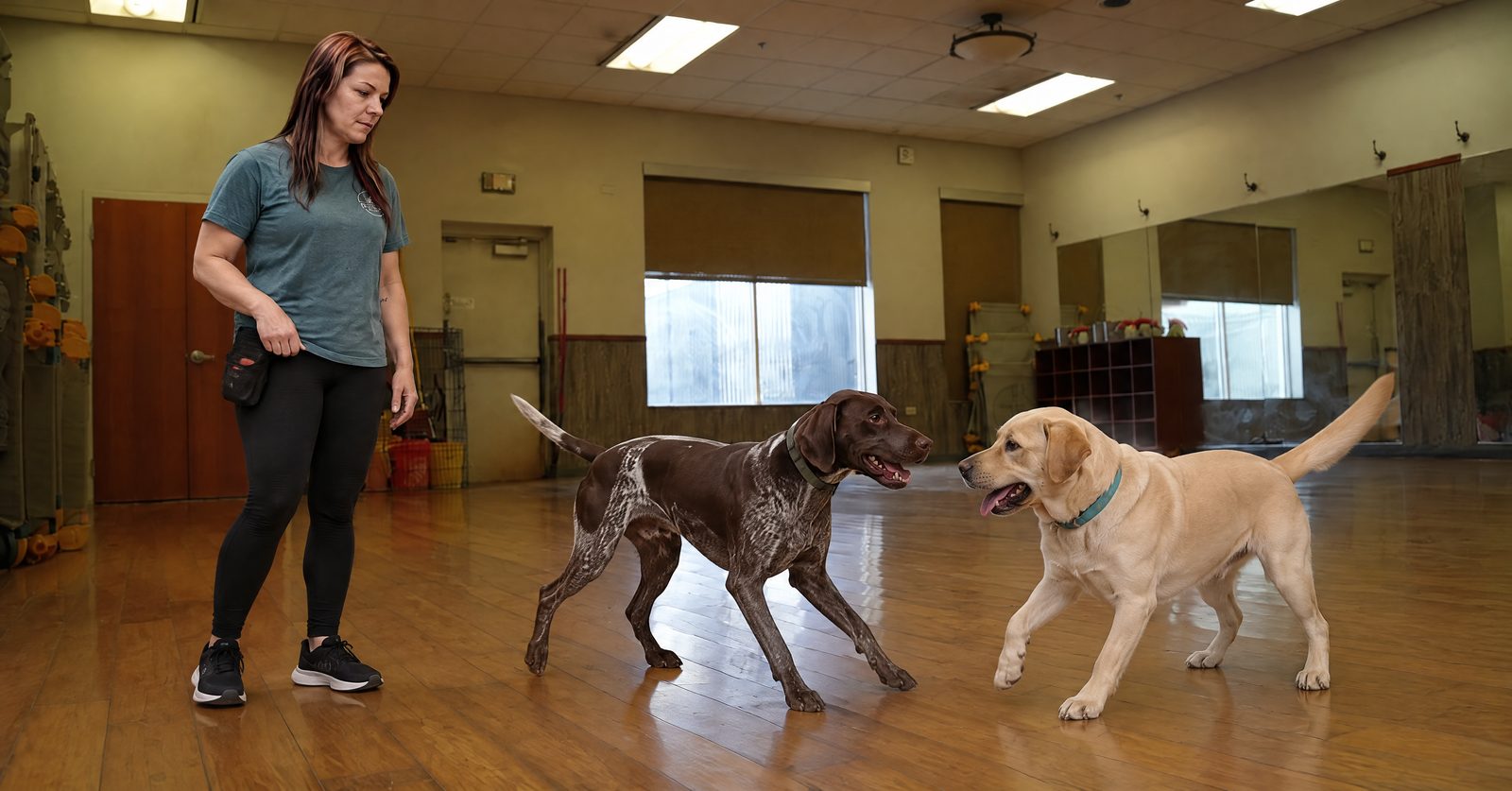
Undersocialized dogs carry a quieter version of the same risk. A newly rescued dog, or a dog that has lived without meeting other dogs, walks into a group setting immunologically naive and stressed at the same time. Stress is a documented risk factor for catching the complex, right alongside crowding and poor ventilation (Lakeview Animal Hospital). That is why we require recently rescued dogs to be home for at least 30 days before entering our facilities, and why dogs showing any symptoms stay home until clear for a full week.
Arizona adds its own wrinkle. Our long hot season means heat stress is a real background load, and stress is a documented risk factor for catching this complex (Lakeview Animal Hospital). Keep your dog cool, hydrated, and rested in the days before a boarding stay or a big social event. It costs nothing and it removes one risk factor you control.
How to prevent canine cough: The shot plus the protocol
The short version: vaccinate on schedule and ahead of exposure, then run the hygiene basics.
How to prevent canine cough is really two questions. The shot is one. Everything around the shot is the other. Run this protocol:
- Vaccinate ahead of exposure, not the morning of. Intranasal or oral: at least 3 to 5 days before daycare, boarding, or the trip. Injectable series: start weeks ahead. Plan the vet visit when you book the boarding, not after.
- Keep annual boosters current. AAHA's schedule is yearly. Let it lapse and the protection you thought you had isn't there.
- Keep a coughing dog home. The single most effective step. Sick dogs stay away from other dogs until the cough is gone. That means clear of symptoms for at least a week before returning. For what to do while yours is sick, read our home care guide.
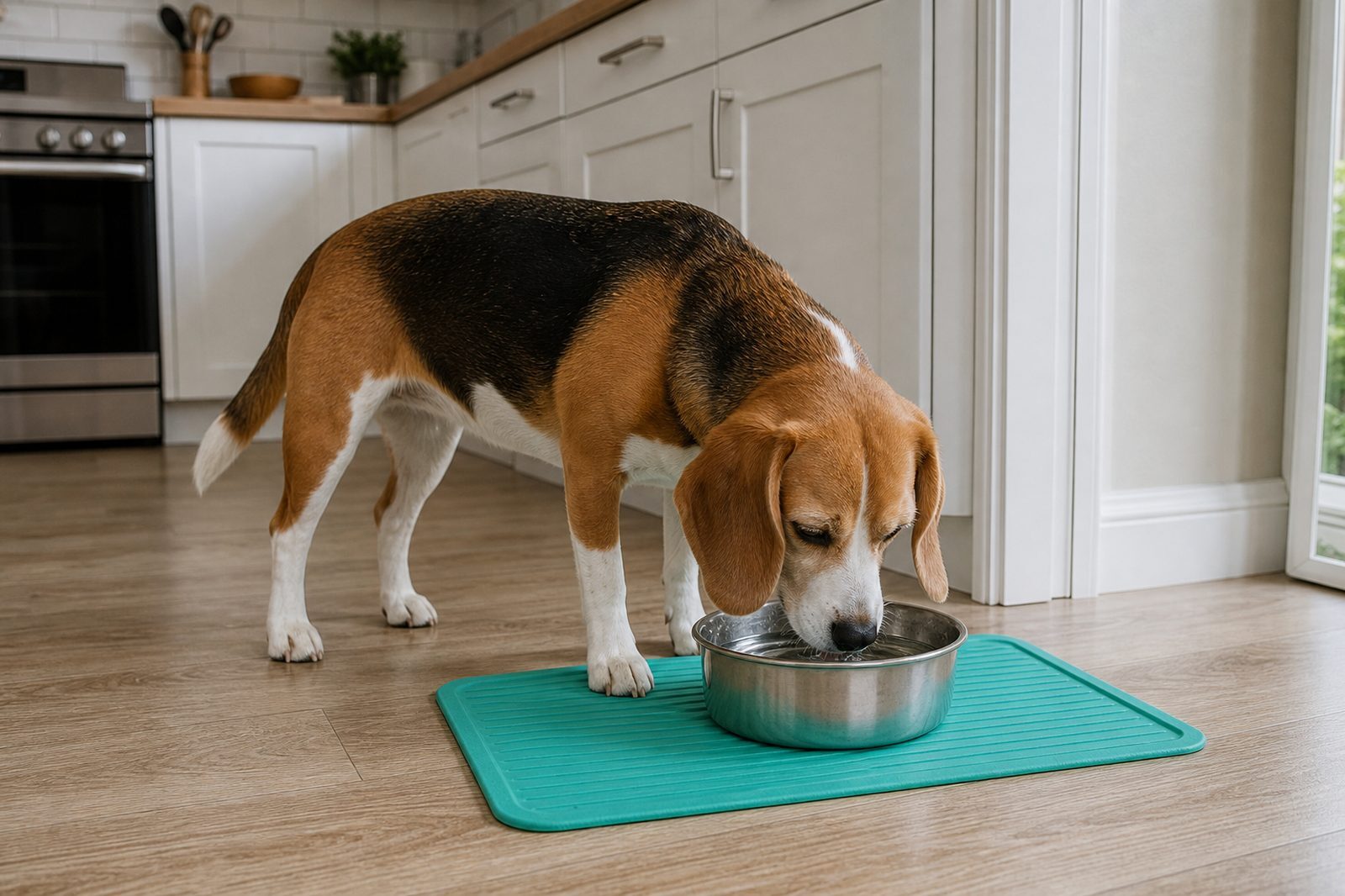
- Don't share bowls, toys, or water at the park. The organisms spread through respiratory droplets and contaminated objects, and some survive on hands and surfaces (Lakeview Animal Hospital). Bring your own water and bowl.
- Wash your hands between dogs. Pet the coughing dog at the park, then handle your own, and you just ran the delivery route. Soap and water, every time.
- Ask your vet about flu coverage. If your dog lives a group lifestyle, the canine influenza vaccine conversation belongs next to the bordetella one.
- Keep the new dog home first. Recently rescued or rehomed dogs need decompression time anyway. Thirty days at home lets stress drop and lets you learn what healthy looks like for that dog.
Mistakes that make canine cough worse
- Vaccinating the day before boarding and assuming instant coverage. The Nobivac KC label minimum for Bordetella protection is 72 hours, and a week or more is smarter.
- Bringing the "just a little cough" dog to daycare because it sounds mild. Mild to you is contagious to the room.
- Skipping the booster because last year's shot "probably still works." Probably is not a protocol.
- Treating the vaccine as the whole plan. The shot plus hygiene plus timing is the plan. Any one leg alone wobbles.
Which program fits
Match the program to the dog
Social, safely. If your dog's behavior needs a read, a PD360 Assessment is the first step. Then keep them social the safe way: DaySchool is structured training daycare for dogs 20 weeks and older, and boarding runs under the same health rules: current Bordetella, Rabies, and DHPP given at least a week before check-in, with health checks before social time, not after.
What does Partners Dogs require before your dog walks in?
The short version: current Bordetella, Rabies, and DHPP, given at least a week before the first day. No exceptions, no day-of vaccinations.
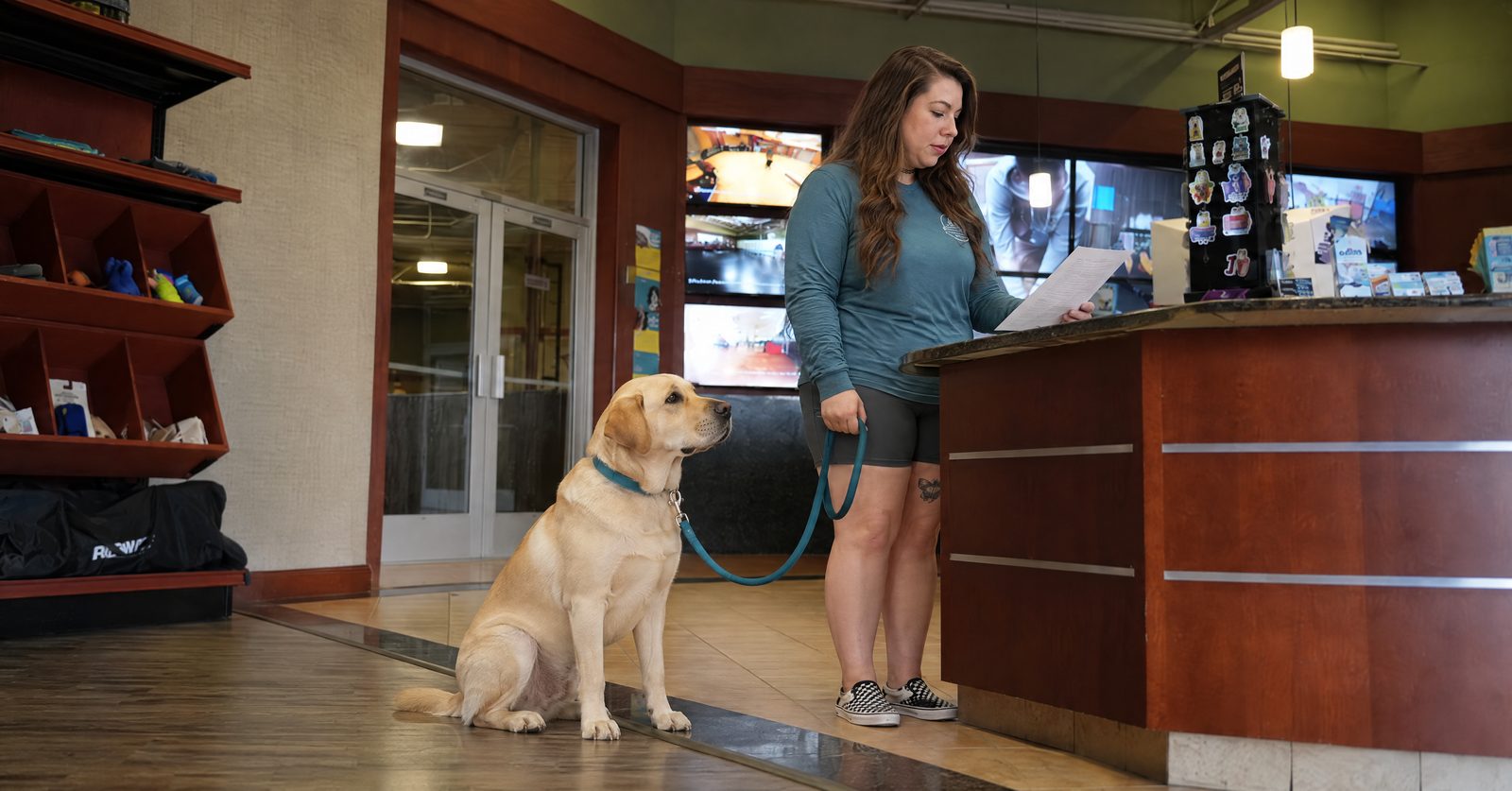
Every dog entering either campus needs current Bordetella, Rabies, and Distemper/Parvo vaccinations, each given at least one week before the first visit so immunity has time to build. Bring the records or let us verify with your vet directly. Recently rescued dogs need at least 30 days at home first. Any dog showing infectious symptoms stays home until clear for a full week (partnersdogs.com).
This is the facility side of the same prevention math. Your vet handles your dog's immunity. We handle the environment: vaccination requirements, symptom screening, sanitation, ventilation, and keeping sick dogs out of the group.
At check-in, our staff runs the same screen every time: records verified current, a hands-on look for discharge and energy level, and a direct question about any cough at home in the last week. A dog with a new cough does not walk into the main population that day. That screen is the boring work that keeps a facility with this many dogs healthy. Neither side works without the other, which is why the requirements are checked at the desk and not negotiable. A facility that waves the rules for your dog waves them for everyone else's too.
Key takeaways
Key takeaways
- The canine cough vaccine covers Bordetella bronchiseptica (and sometimes parainfluenza), not the whole respiratory disease complex. Prevention reduces risk; it never eliminates it (AKC; AAHA).
- Intranasal and oral vaccines work after one dose and start protecting in about 3 to 5 days. Injectable needs two doses and takes longer (AKC; AAHA).
- Vaccinated dogs can still catch canine cough, but cases are typically milder, shorter, and less likely to become pneumonia (AKC).
- Puppies face the highest infection risk; seniors and immunocompromised dogs face the worst complications. Stress, crowding, and poor ventilation raise everyone's risk (Merck Veterinary Manual; Lakeview Animal Hospital).
- Any facility worth its salt requires current Bordetella, Rabies, and DHPP at least a week before entry, a waiting period for newly rescued dogs, and a full symptom-free week after any illness.
Frequently Asked Questions
Can my vaccinated dog still get canine cough?
Yes. The vaccine doesn't cover every organism in the complex, so a vaccinated dog can still develop a cough. Expect a milder, shorter case with a lower chance of pneumonia. If the cough worsens, breathing gets labored, or your dog stops eating, call your vet.
How long before boarding should the canine cough vaccine be given?
Give the intranasal or oral vaccine at least 3 to 5 days ahead, and a week or more is smarter planning. Start the injectable series weeks ahead, since it needs two doses spaced 2 to 4 weeks apart. Every vaccine needs to be given at least a week before check-in.
What are the side effects of the bordetella vaccine?
Mostly mild and short-lived: a day or two of lethargy or mild fever, and with the nasal version, some sneezing, mild coughing, or a runny nose for a few days. Serious allergic reactions are very rare. Anything worse than mild or lasting longer than a couple of days deserves a call to your vet.
Does the Arizona heat make canine cough more likely?
Heat doesn't cause it, but heat stress loads your dog's system, and stressed dogs catch respiratory infections more easily. In our long hot season, keep your dog cool, hydrated, and rested before boarding or big social days.
What is the first step to enroll my dog in DaySchool or Boarding at Partners Dogs?
Start with a PD360 Assessment, where a senior trainer evaluates your dog and matches it to the right program. Before the first day, your dog needs current Bordetella, Rabies, and DHPP vaccinations given at least a week ahead, must be at least 20 weeks old for daycare programs, and must be symptom-free.
Where to go from here
Talk to your vet about the right canine cough vaccine and schedule for your dog's actual life, not a generic calendar. A dog that boards, trains, or plays with other dogs every week lives a different risk profile than a dog that meets one neighbor dog a month. Time it ahead of the social events, run the hygiene basics, and keep a coughing dog home. Prevention is a partnership between your vet's protocol and your habits, and a social dog with both is the best-protected dog in the room. No vaccine is a guarantee, and no healthy dog should live in a bubble. The middle is the goal: a social dog, protected, in rooms run by people who take the invisible risks seriously.
Scottsdale: 8642 E Shea Blvd, 85260. Cave Creek: 4640 E Forest Pleasant Pl, 85331. Serving the Phoenix Valley.