In short
A pet sitter is the better choice for short trips or a dog who is medically fragile, elderly, or deeply bonded to home. For most other trips, a trainer-run pet resort in Scottsdale gives your dog 24-hour team coverage, vaccinated and health-screened company, and the option to come home more trained than they left. Neither option is wrong. The right one depends on the dog and the trip.
Every Scottsdale dog owner hits the same fork before a trip: leave the dog home with a sitter, or board him somewhere built for it. The right answer depends on the dog, the length of the trip, and what you want that week to look like for him.
Pet Sitter vs Pet Resort: The Quick Decision
A pet sitter keeps your dog's world exactly the same. A pet resort can move it forward. That is the real difference, more than any list of amenities. If your dog is deeply bonded to one house, medically fragile, or you are only gone a night or two, staying home with a trusted sitter is usually the right call. If you are gone longer, want steady exercise and supervised company instead of two short visits a day, or you would like the trip to double as training time, a trainer-run boarding facility does something a sitter structurally cannot: it replaces one person's schedule with a team's.
Neither option is universally right. Here is where a sitter genuinely wins first.
When a Pet Sitter Is the Better Choice
A good in-home pet sitter is the right choice more often than boarding advocates like to admit. Staying home is usually best for dogs who are medically fragile, elderly with mobility limits, or so bonded to their own space that even a well-run facility would be a step backward. A dog managing a complex medication schedule, recovering from surgery, or living with a chronic condition often does better on his own bed than anywhere else.
A sitter also makes sense for short trips. If you are gone one or two nights, the disruption of transporting and settling into a new place can outweigh anything a facility offers in that short a window. In multi-pet households with a cat or other animals that also need home visits, one sitter covering everyone has clear practical value too.
None of this is a knock on facility boarding. Sometimes a dog's normal house and routine is simply the better fit. The tradeoff: a sitter keeps things exactly as they are. Nothing about your dog's day changes, for better or worse, while you are gone.
What a Professional Facility Covers That a Sitter Cannot
Once a trip runs longer than a couple of nights, the math changes. A single pet sitter is still one person with one schedule and one set of eyes. A properly run boarding facility replaces that with a team.
- Coverage does not depend on one person's day. Overnight care comes from staff on-site, not a single visit-based schedule, so a sitter's sick day or traffic jam does not leave your dog waiting.
- The routine runs on rotations, not one visit. Exercise, potty breaks, and feeding happen throughout the day because a team is staffed for it.
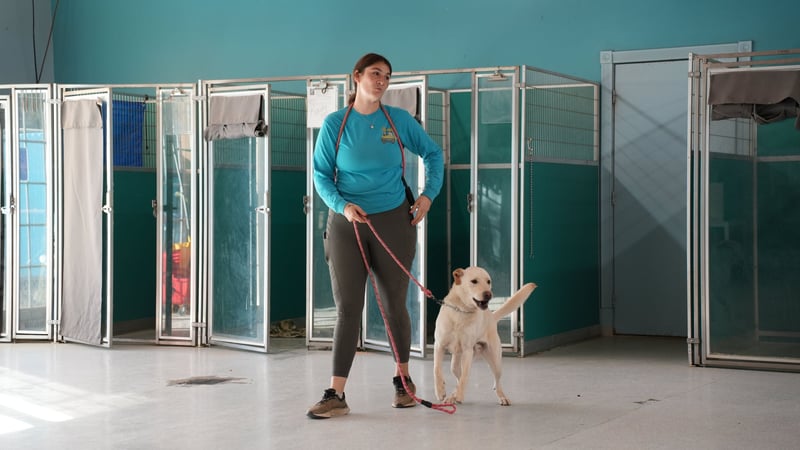
- Group time is controlled, not left to chance. Structured programs like DayCamp run at a 10-to-1 trainer-to-dog ratio, dogs grouped by temperament instead of turned loose together.
- Every dog in the building is vaccinated and screened before admission. Your dog is not the only animal being verified, which is not true at a dog park or a stranger's front yard.
- Trained eyes catch what a quick visit misses. Staff who work with dogs professionally notice a skipped meal or a stiff gait faster than a twice-daily check-in would.
- Every breed and temperament has a place. Dogs are judged on behavior, not breed or history, and dogs with a bite history or special needs still have a supervised place, the dogs many kennels turn away outright.
You do not have to take any of this on faith. The facility's reviews average 4.8 stars across more than 2,000 ratings from families who have boarded here.
See it before you decide
Walk the Campus Before You Book Either Option
Tour the suites, play yards, and DayCamp floor your dog would use. No pressure, no obligation.
Cost: What Each Option Really Runs in the Scottsdale Area
Cost comparisons get muddled fast because the two are priced on different structures. A sitter is usually billed per visit or per overnight, and that total climbs with every extra visit, extra pet, or medication given. A facility is typically priced per night per dog: one flat rate covering exercise, feeding, medication, and supervision.
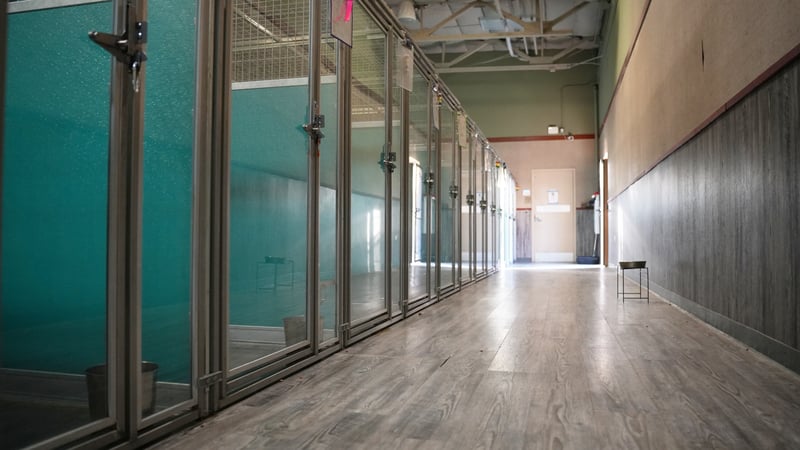
At our Scottsdale and Cave Creek campuses, a private, climate-controlled luxury suite is priced per night, with senior-instructor care available for dogs with a bite history or other special needs so those dogs still have a safe place to stay. Add-ons include DaySchool at the boarding-guest rate and a bath and brush before pickup, never bundled in for free. Current suite, senior-instructor, and add-on rates are posted on the pricing page.
Get a specific written quote for your dog and your actual trip length before comparing numbers in the abstract. A sitter's per-visit math and a facility's flat nightly rate rarely land where a quick glance at a website would suggest.
The Anxious-Dog Question, Answered Plainly
This is the question that stops most owners before they book anything. Boarding is not automatically harder on an anxious dog than staying home with a sitter, and staying home is not automatically easier. It depends on which kind of anxiety is at work.
If your dog has a diagnosed pattern of separation anxiety tied specifically to being alone in an empty house, a sitter who is physically present for stretches of the day can be the gentler option. But a lot of what gets labeled "anxiety about boarding" is really nerves about a first stay somewhere new, a reason to prepare well, not a reason to rule it out.
It is also worth noticing what the anxiety is doing at home. A dog who paces or works through destructive chewing between a sitter's visits is often managing the same stress a structured day is built to reduce: company, supervision, something to do. Dogs with broader general anxiety, not tied to being alone, sometimes do better with structure than with an empty house and a doorbell twice a day.
Whichever way you land, tell whoever is caring for your dog the truth about the pattern before you book. A good facility can plan around it, including a shorter trial day first. No one, sitter or facility, should promise a fix without meeting the dog.
Boarding That Also Trains: Coming Home Better Than They Left
Boarding by itself is simply care while you are away, and for a lot of dogs that is exactly what is needed. The bigger opportunity is that a facility can turn a week away into a week of real progress, something a sitter cannot offer by design. A sitter's best case keeps your dog's existing routine intact. A facility can extend it.
Every stay already includes daily exercise rotations and feeding and medication on your dog's normal schedule. From there, add structured training on top: DaySchool for dogs ready for daily group training, or DayCamp for dogs who need structure before open play, both working the same grade-level curriculum used in Group Classes. If your dog is already enrolled in a program with us, boarding does not pause the work, it keeps grade-level progress moving.
You do not need a formal assessment to board with us. A PD360 assessment is optional for boarding, required only ahead of Behavior Camp or Transform Camp, so a dog who just needs a comfortable place to stay gets exactly that. Want the trip to build a training plan instead? PD360 gives you one, applied as store credit when you enroll in the recommended camp or a membership; it does not apply to à la carte bookings or general reservations like boarding or DaySchool days.
Safety and Health Screening: What to Verify Either Way
This is the one place where the fair answer is not "the facility always wins." A properly vetted, insured sitter is a safe option, and an unverified one is not, the same as an unverified facility. The point is knowing what to check.
Hiring a sitter, verify:
- They carry insurance and bonding, and will show you proof, not just tell you.
- You can call two client references, not just read a profile.
- They have a specific medical-emergency plan, including which vet they would use and how they would reach you.
- They are honest about how many other clients they are covering on your trip's dates.
Boarding at a facility, verify:
- Vaccinations are required for every dog admitted, not only the ones whose owners ask. Ours confirms Bordetella, Rabies, and Distemper or Parvo before check-in.
- What the staff-to-dog ratio actually is, not just that it is described as "low."
- What happens if your dog shows signs of illness or stress mid-stay, and whether you will be called.
- Whether the property is staffed overnight or left unattended after hours.
How to Prepare Your Dog for Their First Facility Stay
A first stay away from home goes more smoothly with a little preparation, whichever option you choose. If it is your dog's first time boarding, do not make the first exposure also the longest one. A trial day through DayCamp or DaySchool first lets your dog meet the team and the space with you close by.
- Confirm vaccinations are current before drop-off day, not the morning of.
- Bring food for the whole stay plus one extra day, and medication in its original, labeled container.
- Leave bedding and favorite toys at home. They get lost in a busy group setting, and a good facility already provides clean bedding and safe-tested toys.
- Write down your vet's contact information and your dog's feeding and medication schedule.
- Plan drop-off and pickup around office hours. We are closed to the public on Sunday, so a Saturday or Monday drop-off works best.
None of this is complicated, but it is the difference between a dog who settles in by day two and one who spends the whole trip unsettled.
Frequently asked questions
Is a pet sitter or a boarding facility better for a dog with separation anxiety?
It depends on the pattern. A dog whose anxiety is tied to being alone in an empty house can do better with a sitter present in the home. A dog whose stress is more general, or who shows signs like destructive chewing during a sitter's absence, often does better with the structure and company a boarding facility provides. Tell whoever cares for your dog about the pattern beforehand.
How much does dog boarding cost compared to a pet sitter in Scottsdale?
The two price out differently. A sitter typically bills per visit or per overnight, and the total rises with extra visits, pets, or medication given. A boarding facility is usually priced per night per dog with one flat rate covering exercise, feeding, medication, and supervision. At our Scottsdale and Cave Creek campuses, a private luxury suite is priced per night, with training and grooming available as add-ons and current rates posted on the pricing page.
Do dogs need to be vaccinated to board at a facility?
Yes. A properly run boarding facility verifies vaccinations for every dog before admission, not only the dogs whose owners happen to ask. At our campuses, we confirm Bordetella, Rabies, and Distemper or Parvo before check-in. That is a protection a sitter cannot offer, since a sitter's other clients are not screened at all.
Can I add training to a boarding stay?
Yes. Boarding alone is care while you are away, but you can add structured training on top. DaySchool gives your dog daily group training and social time at the boarding-guest rate, and DayCamp offers the same structured approach for dogs not ready for open group play yet. A PD360 assessment is optional for boarding, and required only ahead of Behavior Camp or Transform Camp.
What if my dog has never stayed anywhere but home before?
Start with a trial day through DayCamp or DaySchool before an overnight stay, so your dog meets the team and the space with you nearby first. Bring food for the whole stay plus one extra day, medication in its original container, and your vet's contact information. Leave toys and bedding at home, since we already provide clean bedding and safe-tested toys.
Next step
See What Your Dog's Stay Would Look Like
Check current availability and rates for Scottsdale and Cave Creek, or talk to our team first if you are still deciding.
Keep reading