Pack this
What to bring to a dog training class comes down to three things: a collar or harness your dog already wears, a full pouch of small soft treats, and nothing new tried for the first time in public. The first fifteen minutes of a Group Classes session at Partners Dogs are built for settling in, not performing: a dog who barks, paces, or whines through that window is normal, not a reason to worry. Leave three things in the car for week one: the pinch collar, the retractable leash, and the squeaky toy, since comfort matters more than correction on day one.
Enrolling is the easy part. The question most new Pet Parents have the night before is what to bring to dog training class so the first session goes smoothly instead of forty-five minutes spent apologizing for a barking, straining dog. Group Classes at the Scottsdale and Cave Creek campuses runs the same way for every new student: gear checked at the door, a slow first fifteen minutes, and a plan for a dog who will not settle right away. This guide covers what goes in the bag, what stays in the car, and what to do once you are in the room.
- What to have ready before you leave home
- The short gear list, and what stays in the car
- Treats, timing, and the last meal before class
- What the first fifteen minutes cover
- Where to stand, and what to do if your dog cannot settle
What to Have Ready the Week Before
Most of the stress at a first class gets solved before you ever leave the driveway. Confirm the campus, Scottsdale or Cave Creek, and the exact start time for your Group Classes session, since walking in five minutes late to a room already mid-warm-up is harder on a nervous dog than arriving five minutes early to a quiet lobby. Decide now who is holding the leash for the full hour, and keep that person consistent through the session instead of trading off mid-class, which reads to most dogs as the handler's attention splitting.
In the days before class, run one short five-minute practice at home: clip the leash you plan to use, ask for a sit, reward it, and walk your dog past a normal household distraction like the television or a sibling's toy. That check confirms the gear fits and the dog already understands the leash is coming out. If your dog has never worn the collar or harness you plan to bring, put it on for a few short sessions at home first, not for the first time in a parking lot full of other dogs.
"Had our first class this morning. Heather, our trainer, was great and answered all our questions and concerns. Can't wait till next week."
The Gear List, and What to Leave in the Car
| Item | Best for | Fit note | Where to get it |
|---|---|---|---|
| Your dog's current flat collar or harness | Any dog who already walks calmly on it at home | Snug enough for two fingers underneath, nothing new | Already fitted at home, nothing to buy |
| Rolled Biothane Slip Collar, Partners Dogs | Dogs who back out of a flat collar or need one clear correction point | Rolled profile sits above the coat, sized to the neck | In-store, Scottsdale or Cave Creek |
| Smooth Biothane Tab Handle, Partners Dogs | A short second handle for close control walking in from the car | One length, about six inches | In-store or shop |
| Any six-foot nylon leash from a pet store | A working leash that already holds up, no upgrade needed | Standard six-foot length | Not fitted, sized by owner |
If what you already own fits and your dog is comfortable in it, that is the right answer, not a compromise. A well-worn flat collar or harness beats anything new on day one, since day one is stressful enough without a strange sensation around the neck. The two Partners tools above solve specific problems: a dog who slips a flat collar, or a handler who wants a second contact point at the door. Both are available in the shop if either applies to you.
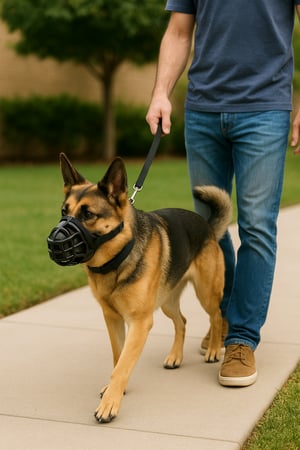
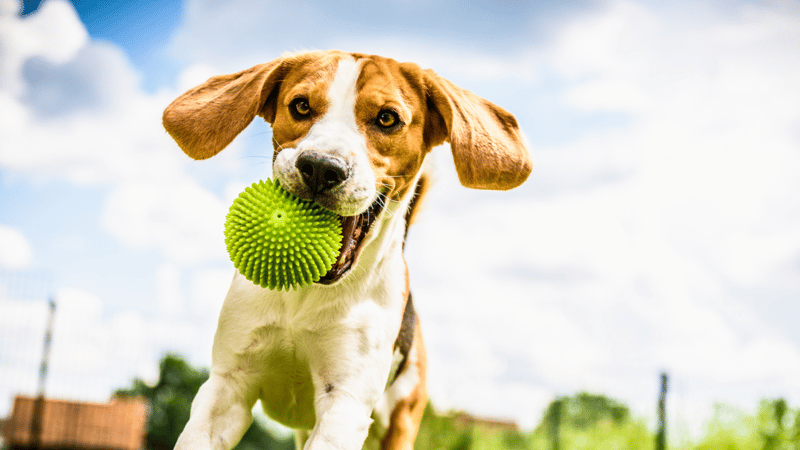
Leave the pinch or prong collar in the car for a first class even if your dog wears one at home; trainers introduce corrective tools deliberately and on their own timeline, not on a stranger's schedule in a room full of new dogs. Skip the retractable leash entirely, since six feet of fixed leash is the only length a trainer can work with in a group setting. Leave any high-value squeaky toy or tennis ball in the car too. Something like the Agility Tennis Ball, a bouncy fetch toy built for backyard play, is the exact kind of toy that turns a manageable first hour into an unmanageable one indoors with seven other dogs watching.
Treats, Timing, and the Last Meal Before Class
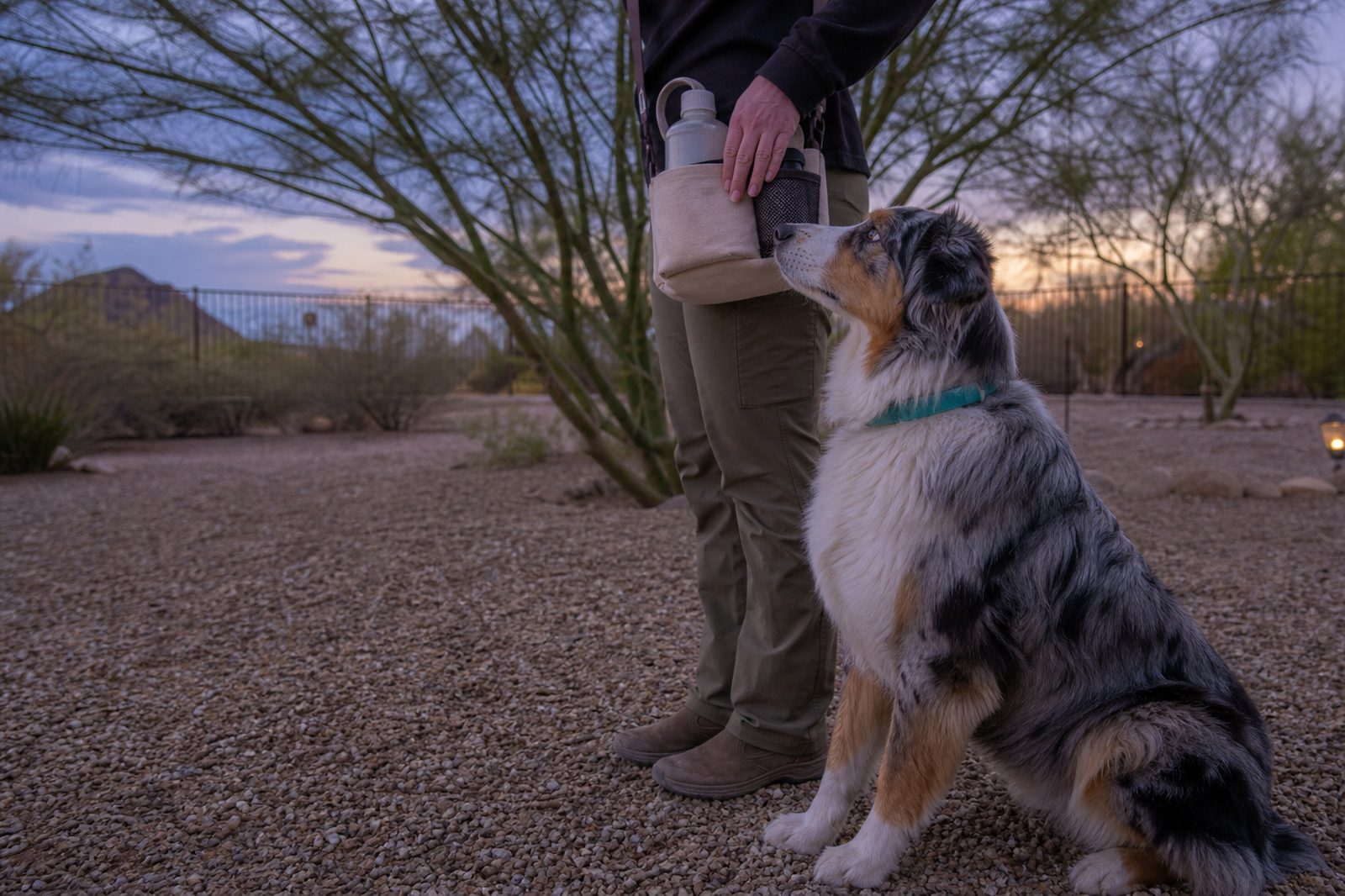
Bring more treats than you think you will need, cut small enough that your dog swallows in one bite and looks back up at you instead of chewing. Soft, low-crumb treats work better in a group room than anything crunchy, since a dropped hard treat becomes a floor full of crumbs that every dog in the room investigates instead of listening. A treat pouch clipped to a waistband, sold in the shop or any pet store, keeps both hands free for the leash, which matters more in week one than any week that follows.
Feed a light meal two to three hours before class rather than a full bowl right beforehand or an empty stomach that leaves a dog too distracted by hunger to focus. A dog who is a little hungry works harder for treats than one who just finished dinner, and a dog who ate an hour ago is more likely to get sick from the excitement of a new room than one whose stomach has settled. Partners keeps water available at both campuses, so there is no need to bring a bowl unless your dog only drinks from a familiar one.
Get a seat
See This Week's Group Classes Schedule
Every new student gets the same walkthrough on gear, timing, and pacing before day one, so none of this is a surprise once you arrive.
What the First Fifteen Minutes Look Like
Park, leash up before the door opens, and walk your dog along the outside edge of the group rather than straight through the middle toward the other dogs. In Scottsdale summer heat, cross the lot on a grass strip if there is one instead of the blacktop, since hot pavement burns paws faster than most owners expect at nine in the morning. The first fifteen minutes of a Group Classes session is built for arrival, not performance, so no trainer expects a crisp sit the moment your dog walks in.
Expect the trainer to walk the room through the plan for the hour before asking anyone to do much of anything: where to stand, how the space is laid out, and what today's skill will be. That orientation exists because a dog who does not yet know the room needs a minute to look around before he can listen, and a handler who knows what is coming is calmer, which the dog picks up on immediately.
"I thought our trainer did an awesome job of going over every aspect of what was expected at our first class."
Where to Stand, and What to Do if Your Dog Cannot Settle
Stand where the trainer points, usually spaced an arm's length or more from the next team, and keep enough slack in the leash that your dog can lie down without the leash pulling him back up. Watching the trainer instead of the other dogs is the single biggest favor a new handler can do for a nervous dog, since a dog reads tension in your shoulders before he reads anything happening across the room. If another dog approaches yours nose first, step back and add distance rather than letting the dogs work it out on their own; that call belongs to the trainer, not to two strangers meeting for the first time.
A dog who paces, whines, or barks through most of the first hour is common enough that trainers expect it, not a sign the class is the wrong fit. If your dog cannot settle, add distance from the group first, then ask for one small, easy behavior he already knows instead of the skill being taught that day. A dog who jumps at every person or dog that walks past needs the same fix that shows up in the jumping spoke: reward four paws on the floor before the greeting happens, not after. An overexcited dog who cannot come back down between reps often needs the groundwork covered in the overexcitement spoke, worked in short sessions at home between classes.
"Andrew was very helpful and provided good insight and training tips starting with calming my dog down who barked through our entire hour. Once she is calmer using his suggestions, we will proceed with building on training options."
The Ten Minutes at Home After Class That Matter Most
The ten minutes right after class do more for a first-time dog than most of the hour that came before it. Offer water and a bathroom break first, then let your dog settle somewhere quiet for a few minutes before any greeting from the rest of the household turns into a second wave of excitement he has not recovered from yet. A dog who just spent an hour managing new dogs, new smells, and a new room needs to come down before he needs to perform again.
Once he has settled, run the day's skill exactly once, at the easiest version of it, in a quiet room with no other distractions. One clean repetition at home is worth more than five rushed ones, and it tells you clearly whether the dog understood the lesson or just followed the room. Note anything that felt hard, so you can mention it before the next Group Classes session instead of hoping it resolves on its own.
Frequently Asked Questions
What should I bring to my first dog group class?
Bring a leash and collar or harness your dog already wears comfortably, a pouch of small soft treats, and nothing new that has not been tried at home first. Skip a full meal beforehand, skip any corrective tool you have not already used with your dog, and confirm your campus and start time the day before.
Do I need to bring my own treats to Group Classes?
Yes. Bring more soft, low-crumb treats than you think you will need, cut small enough for your dog to swallow in one bite. Trainers use treats throughout the hour, and a dog who runs out partway through loses motivation fast.
What if my dog barks or cannot settle during the first class?
That is common enough in a first session that trainers expect it and plan around it. Add distance from the rest of the group, ask for one easy behavior your dog already knows instead of the skill being taught that day, and let the trainer guide the pace from there.
Can I bring a prong collar or a retractable leash to class?
Leave both in the car for a first session. Trainers introduce corrective tools like a prong collar deliberately and on their own schedule, and a retractable leash does not give a trainer the fixed length needed to help in a group setting.
Should I feed my dog before class?
Feed a light meal two to three hours ahead rather than a full bowl right before or an empty stomach. A dog who is a little hungry works harder for treats, and one whose stomach has settled is less likely to get sick from the excitement of a new room.
Ready this week
Show Up Ready for Week One
A properly fitted collar, a full treat pouch, and a plan for the first fifteen minutes cover almost everything a new Group Classes family needs on day one.
Keep reading
/Resources/Blog%20and%20Training%20Tips/Loos%20leash%20walking%20for%20Arizona%20Dogs%20(3).jpeg?width=800&height=450&name=Loos%20leash%20walking%20for%20Arizona%20Dogs%20(3).jpeg)