In short
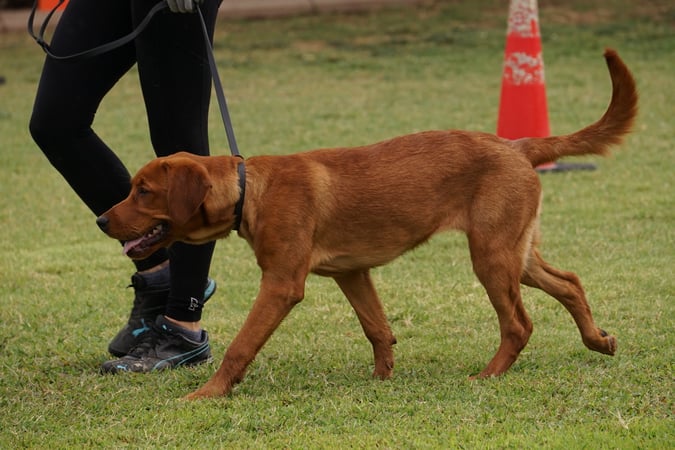
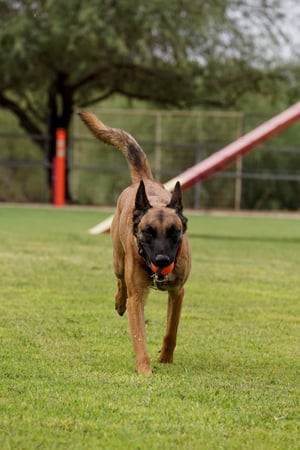
Partners Dogs runs all-breed dog daycare and boarding out of both the Scottsdale and Cave Creek campuses, and no dog is turned away for its breed: pit bull, Rottweiler, mastiff, husky, or mixed-breed rescue with an unknown history. Placement into DaySchool or DayCamp is decided by a PD360 Assessment of your dog's behavior, never by a breed list, and trained instructors run the floor at one trainer for every 10 dogs.
Most facilities decide what a dog is allowed to do before they have ever met that dog, based on a breed list rather than a behavior read. This guide covers why those lists exist, how Partners Dogs places dogs by PD360 Assessment instead, and what that means in practice for three groups: bully breeds, guardian breeds, and northern breeds.
Which Breeds Do Most Scottsdale Daycares and Boarding Kennels Turn Away?
Call around to daycares and boarding kennels in the Scottsdale area and you will find a familiar list of excluded breeds before you ever get to talk about your actual dog. Pit bull type dogs and American Staffordshire Terriers top most lists, followed closely by a familiar set: Rottweilers, Dobermans, Cane Corsos, mastiffs, Chow Chows, and German Shepherds. Huskies and Malamutes get flagged for prey drive and escape risk. Some facilities add a blanket weight cutoff, anything over roughly 50 to 75 pounds, which quietly excludes plenty of gentle large breeds along with anything difficult to manage.
Mixed-breed rescues run into a version of the same problem. A shelter dog with a guess at its ancestry, "looks like a shepherd mix" or "possibly pit bull," can get sorted by that guess rather than by anything the dog has done. Most pet parents do not find any of this out until they call to book, sometimes after they have already picked a facility based on location or price. An all-breed dog daycare and boarding program has to work differently from the start, because the alternative is turning away good dogs on the strength of a label.
Why Breed Bans Exist, and What They Are Solving
Breed restrictions are not usually arbitrary meanness. They come from a specific set of constraints most facilities are managing: insurance, staffing, and space. General liability and kennel insurance policies frequently name specific breeds as excluded or rated at a higher premium, so a facility that wants affordable coverage sometimes has to write those breeds out of its intake policy regardless of what any individual dog is like.
Staffing is the other driver. A daycare running large open playgroups with a handful of attendants watching dozens of dogs does not have the staff time, or often the training, to read each dog's body language and make an individual call. A breed list becomes the blunt filter that stands in for a temperament assessment nobody has the staff to perform. Add a facility running near capacity with poor sightlines across the yard, and a breed ban starts to look less like a safety standard and more like a shortcut around a staffing and facility problem the business has not solved.
None of that means every dog of every breed belongs in every group. It means the variable that predicts how a dog does in a group is the dog in front of you, not the breed on its paperwork.
How Partners Dogs Places Dogs by Behavior Instead of by Breed
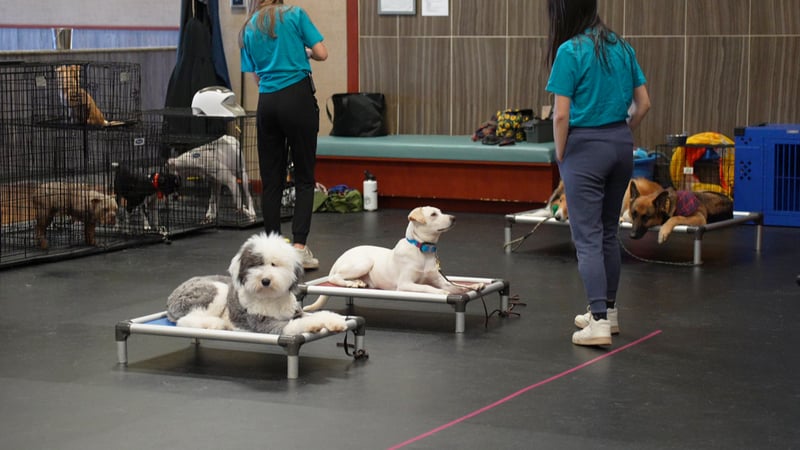
Partners Dogs has trained dogs across Arizona since our Cave Creek campus opened in 1997, and that 28 years and 70,000-plus dogs trained is exactly why breed was never the sorting variable here. That track record is backed by a 4.8-star average across 2,000-plus reviews. The floor at both campuses is run by trained instructors, not day-shift attendants, watching closely enough that a blanket breed cutoff is not the only practical filter available.
Every dog's placement starts with a PD360 Assessment (a structured behavioral evaluation of how a specific dog behaves around people, other dogs, and handling), rather than what its breed suggests it might do. A calm, social Cane Corso and a reactive Golden Retriever get sorted by the same standard: what they show us, not what they look like walking in the door.
What the PD360 Assessment Looks at Before Your Dog Joins a Group
The PD360 Assessment is the intake gate for group placement, and it is looking at specific, observable behavior rather than a general impression. A trainer works your dog through a controlled introduction and watches for the details that matter in a group setting:
- How your dog greets a new dog and a new person, and how quickly arousal comes back down after excitement
- Resource guarding around food, toys, or handler attention
- Whether your dog takes redirection from a handler or escalates past it
- Reactivity to sudden movement, noise, or a crowded environment
- Genuine dog-selective behavior, which shows up as a pattern with certain dogs regardless of breed, not as a category to assume from the start, and can be flagged through our dog aggression assessment track when it appears
The assessment carries its own fee, applied as store credit when you enroll in your recommended camp or a membership; it does not apply to à la carte bookings or general reservations. Current pricing has the exact figures. The result is what decides your dog's lane: DaySchool, DayCamp, or a closer look with a trainer first, never the breed you walked in with.
Start with the assessment
See How Your Dog Behaves in a Group
A PD360 Assessment gives you a clear read on your dog's behavior before day one, so placement is based on what your dog does, not what breed they are.
DaySchool or DayCamp: Matching the Room to the Dog, Not the Label
Two dogs of the exact same breed can land in two different rooms at Partners Dogs, and that is the point. DaySchool fits dogs who read as comfortable in an open group from the start, while DayCamp is the lower-threshold lane for dogs who need a slower, more structured introduction first. Either way, the PD360 Assessment decides the lane, not the breed standing in front of it.
A confident Labrador and a shy, undersocialized Labrador do not belong in the same room on day one, and neither does a bold pit bull and a fearful one. Dogs who are genuinely afraid of other dogs often do best starting in DayCamp, where group size and pacing are built around lowering that stress rather than asking a scared dog to cope with a full yard immediately. As a dog builds confidence and skills, moving between lanes is a normal part of the plan, not a one-time sorting decision made at intake and never revisited.
What an All-Breed Facility Has to Get Right
Accepting every breed only works if the facility itself is built to handle the range of dogs that shows up. That means getting a specific set of things right, not just dropping the breed list:
- Purpose-built campuses at both Scottsdale and Cave Creek, designed for group supervision rather than retrofitted from a kennel or a warehouse
- Sightlines across every yard, so a handler can see a dog tense up at a fence line before it becomes a problem, rather than dogs pacing a boundary out of view and building barrier frustration unnoticed
- Group sizing built around temperament and energy level, not breed or size alone
- Scheduled rest built into the day, because a tired, overstimulated dog of any breed is more likely to have a bad moment than a dog who gets consistent breaks
- A consistent one-trainer-to-10-dogs ratio maintained through the whole day, not just staged for drop-off
- Overnight boarding that carries the same behavior-based supervision into an overnight stay, with a luxury suite option for dogs who do best with more space and quiet; current pricing has the nightly rate
Bully Breeds, Guardian Breeds, and Northern Breeds: How Handling Differs
Breed does shape how a dog tends to show up in a group, and pretending otherwise would be its own kind of dishonesty. The difference is that Partners Dogs treats those tendencies as handling information, not a reason to say no.
Bully breeds (pit bull type dogs, American Staffordshire Terriers, American Bullies, and Boxers among them) are frequently intensely social and motivated by people and toys. A minority of individuals develop dog-selective tendencies as they mature. Trainers watch for that pattern and manage it through playmate matching, not a reason to assume every bully-breed dog will struggle in a group.
Guardian breeds (Rottweilers, Dobermans, Cane Corsos, mastiffs, and German Shepherds) are often naturally alert to new people and new spaces. They tend to do better with a slower, structured introduction to a group than with being dropped straight into an open yard, and a trainer who reads that upfront gets a much smoother first day than one who does not.
Northern and working breeds (Huskies, Malamutes, and Akitas) typically bring higher prey drive, strong stamina, and a more physical play style, along with an independent streak that responds better to clear structure than to repeated correction. Matching them with same-intensity playmates and building in genuine rest keeps that natural intensity from tipping into overarousal. In every case, the handling difference is about skill and attention, not exclusion.
What to Ask Any Facility Before You Book
You do not have to take any facility's word for how it handles your dog's breed. A short list of direct questions tells you almost everything you need to know before you book:
- What is your staff-to-dog ratio, and are the people on the floor certified trainers or day-shift attendants?
- Do you group dogs by breed and size, or by an actual behavior evaluation?
- Can I tour the play yards myself and see the sightlines before I book?
- What happens if my dog needs a smaller, quieter group instead of the main yard?
- How far is the facility from home, and do the drop-off and pickup hours fit your schedule?
- Is there an evaluation before my dog joins a group, or does drop-off go straight to the yard?
- What is the plan if my dog shows stress or reactivity partway through the day?
Not every dog needs a full day in a group to begin with. A dog who does best with minimal stimulation, or a family whose only workable pickup window is a narrow evening slot, can be better served by a smaller in-home sitter or a facility closer to home than by any group-based program, however it staffs or evaluates. Weigh the answers against what fits your dog and your week, not just which facility scores best on paper.
Frequently asked questions
Does Partners Dogs accept pit bulls, Rottweilers, and other breeds some facilities restrict?
Yes. Partners Dogs does not use a breed-restriction list at either the Scottsdale or Cave Creek campus. Every dog (including pit bull type dogs, Rottweilers, mastiffs, and other breeds commonly excluded elsewhere) is placed by a PD360 Assessment of behavior rather than by breed.
Do you accept mixed-breed rescues with an unknown history?
Yes. An unknown background is common with rescue dogs and does not disqualify a dog from daycare, boarding, or training. The PD360 Assessment evaluates the dog in front of us today: how it behaves around people, other dogs, and handling, not what we guess about its past.
What happens if my dog does not pass the PD360 Assessment?
No dog is simply turned away because of the result. If a dog is not ready for an open group yet, the PD360 Assessment routes them into DayCamp's more structured, lower-threshold setting or points to a closer look with a trainer first, the same behavior-based process that decided the lane in the first place.
Does my dog's breed change the price of daycare, boarding, or training?
No. Programs are priced by service, not by breed: DaySchool, DayCamp, and boarding each carry their own rate, and a PD360 Assessment decides which program fits your dog. Current rates are posted on our pricing page.
Do you accept intact dogs that are not spayed or neutered?
Yes. Intact dogs are welcome and are evaluated the same way every dog is, by behavior rather than by reproductive status.
Do you separate dogs by size within a group, or only by behavior?
Size is one factor, not the deciding one. Group sizing is built around temperament and energy level first, so a calm, low-energy large dog and a calm, low-energy small dog can share a group. Any size mismatch after that is managed the same way a behavior mismatch is: through supervision and matching, not a strict cutoff.
Next step
Bring Your Dog In, Whatever the Breed
Whether your dog needs a full day of structured play or a quiet place to board overnight, placement starts with a plain look at behavior, never a list of excluded breeds.
Keep reading