Bottom line
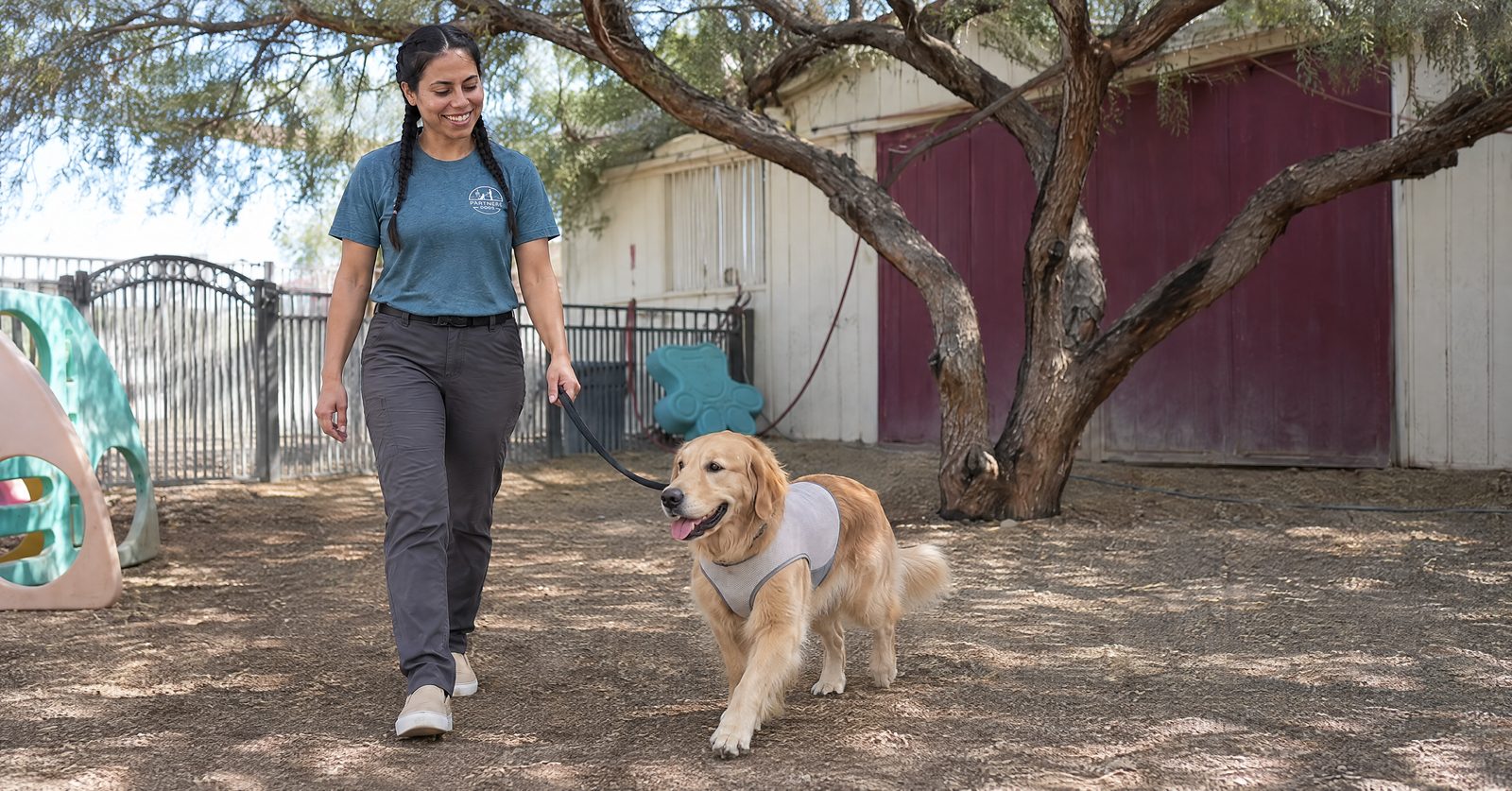
The best cooling vest for dogs in Arizona is a thin, light-colored evaporative vest that fits well and gets re-wet often. Dry desert air is where evaporative cooling works best.
- Dogs cool themselves almost entirely by panting, since their only sweat glands are in their paw pads. Gear that borrows evaporation helps; gear that traps heat hurts.
- Evaporative vests (thin, mesh, light-colored) are the best match for Arizona's dry heat. Re-wet every few hours; once the vest dries out, take it off.
- Ice-pack vests give a deeper chill for short outings and can help when monsoon humidity rolls in, but keep frozen packs off an already-overheating dog and check with your vet first. Aggressive icing of an overheated dog carries risks.
- Cooling mats work indoors through simple contact with a cooler surface. Bandanas help a little. Misting buys comfort on the patio, not on the trail.
- Nothing you can buy makes midday exercise in a Phoenix summer safe. Shade, water, and timing are the real plan.
The best cooling vest for dogs in Arizona is a thin, light-colored evaporative vest that fits well and gets re-wet often, because it works with Arizona's dry heat instead of fighting it. No vest, mat, or bandana makes a midday Phoenix walk safe. This guide covers what each type of cooling gear does, what it can't do, and how to pick one honestly.
If you walk into any pet store in Scottsdale in June, the cooling gear aisle looks like a solution to Arizona summers. Vests, mats, bandanas, all promising a cooler dog. Some of it works. Some of it is a wet sponge with a price tag. The difference is knowing how a dog actually cools itself, because every product on that shelf either helps that process or gets in its way. Most of the summer, our dry air is where evaporative gear performs best; when the monsoon rolls in and humidity climbs, the same gear works worse. This article is written for the Valley, both seasons. And if you have bought the bandana, the mat, and the vest and still cut every walk short by 9 a.m., you are not doing it wrong. The gear was never the plan.
Do cooling vests for dogs actually work?
Yes, within limits. A cooling vest adds a second cooling channel on top of panting, and it does nothing at all once it dries out.
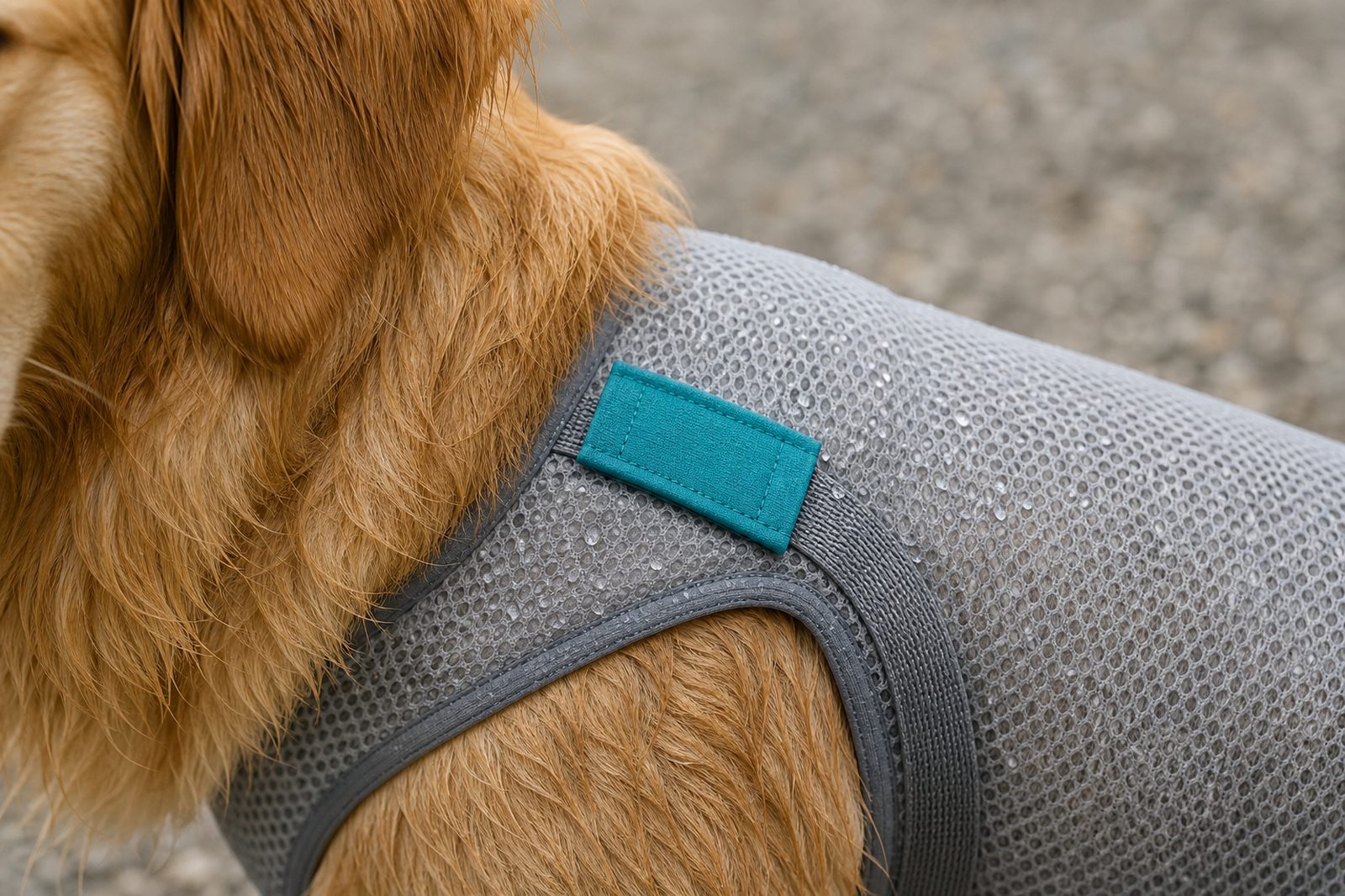
A dog cannot sweat like you do. Its only working sweat glands sit in its paw pads, and they barely move the needle. Cooling comes from panting, which evaporates moisture off the tongue and the lining of the lungs, and from widened blood vessels pushing warm blood toward the skin. An evaporative vest borrows the same trick: wet fabric holds water against the body, and as the water evaporates into dry air, it pulls heat away. It is the same reason a swamp cooler drops the temperature in a house.
Hands-on testers report the effect is real but temporary. One reviewer found a three-layer vest needed re-wetting about every two to three hours on a mild 70-degree day; in a Phoenix summer, plan on more often. Once the vest dries, it stops helping. Vetstreet's gear FAQ puts it plainly: cooling vests are not a long-term cooling solution, and a dry vest should come off, because a layer that is no longer evaporating is just a layer.
Vests help most on the dogs that struggle first: dark coats, flat-faced breeds, seniors, and any dog that already runs hot. A light-colored vest also shades the coat, which matters more than most people expect. Our trainers read it the same way: the vest is management, not a license. If you would not walk the dog without the vest, the vest does not change the answer.
How does a dog cool itself, and where does panting tap out?
Your dog cools itself by panting, radiating heat from its skin, and finding something cool to lie on. All three fail when the heat load is bigger than the cooling.
Panting is the main engine. Fast, shallow breaths move air across the wet surfaces of the mouth and lungs, and the evaporation carries heat out with the exhale. It works, but it costs energy, which is why a dog that pants hard for a long time starts to look more tired, not less. The second channel is vasodilation, widened blood vessels that bring hot blood close to the skin, especially the ears and face. The third is behavioral: shade, cool tile, dug dirt.
The problem is the margin. A dog's normal temperature runs 100 to 102 degrees. Past 104, the body's cooling systems are losing, and heatstroke is on the table. Exertion, sun, hot ground, and humidity all push toward that narrow window at once. Texas A&M's veterinary diagnostic lab puts it plainly: when a pet's body can no longer cool itself effectively, overheating can quickly progress to heat stroke, and dehydration speeds the whole thing up.
What does each type of cooling gear do?
Buy the mechanism, not the label. Each type below moves heat by a different route, and each has a condition where it stops working.
| Gear type | How it cools | Best use in Arizona | Limit | Watchout |
|---|---|---|---|---|
| Evaporative vest | Wet mesh evaporates water off the core, pulling heat away | Morning walks, patio time, and travel in dry heat | Needs re-wetting every few hours; weak in monsoon humidity | Remove once dry; loose wet fabric chafes under the legs |
| Ice-pack vest | Frozen packs act as a cold compress on the torso | Short outings and post-walk cooldowns; the better pick in humid monsoon weeks | Packs thaw fast in Arizona heat; needs a freezer and planning | Keep frozen packs off an already-overheating dog: cool the dog and call the vet |
| Cooling mat | Pressure-activated gel stays cooler than the room; heat moves from dog into mat | Indoors, crates, the car ride home with the AC on | Only works if the dog lies on it; a mat in the sun is a warm mat | Make sure your dog will actually settle on it |
| Cooling bandana | Small evaporative fabric around the neck, near big blood vessels | Dogs that hate clothes; a small assist on sensible outings | Tiny surface area, tiny effect; dries fast | Not protection for a hard outing |
| Misting | Water on the coat and belly evaporates in dry air | Patio shade, the backyard, before an evening walk | Nearly useless on the move or in humidity | Mist, don't blast; some dogs hate spray, and stress adds heat |
A note on what the table leaves out: water-fill vests with a built-in reservoir exist, and owners who camp with their dogs like them. They are a niche product for niche outings, not the default for a Scottsdale neighborhood walk.
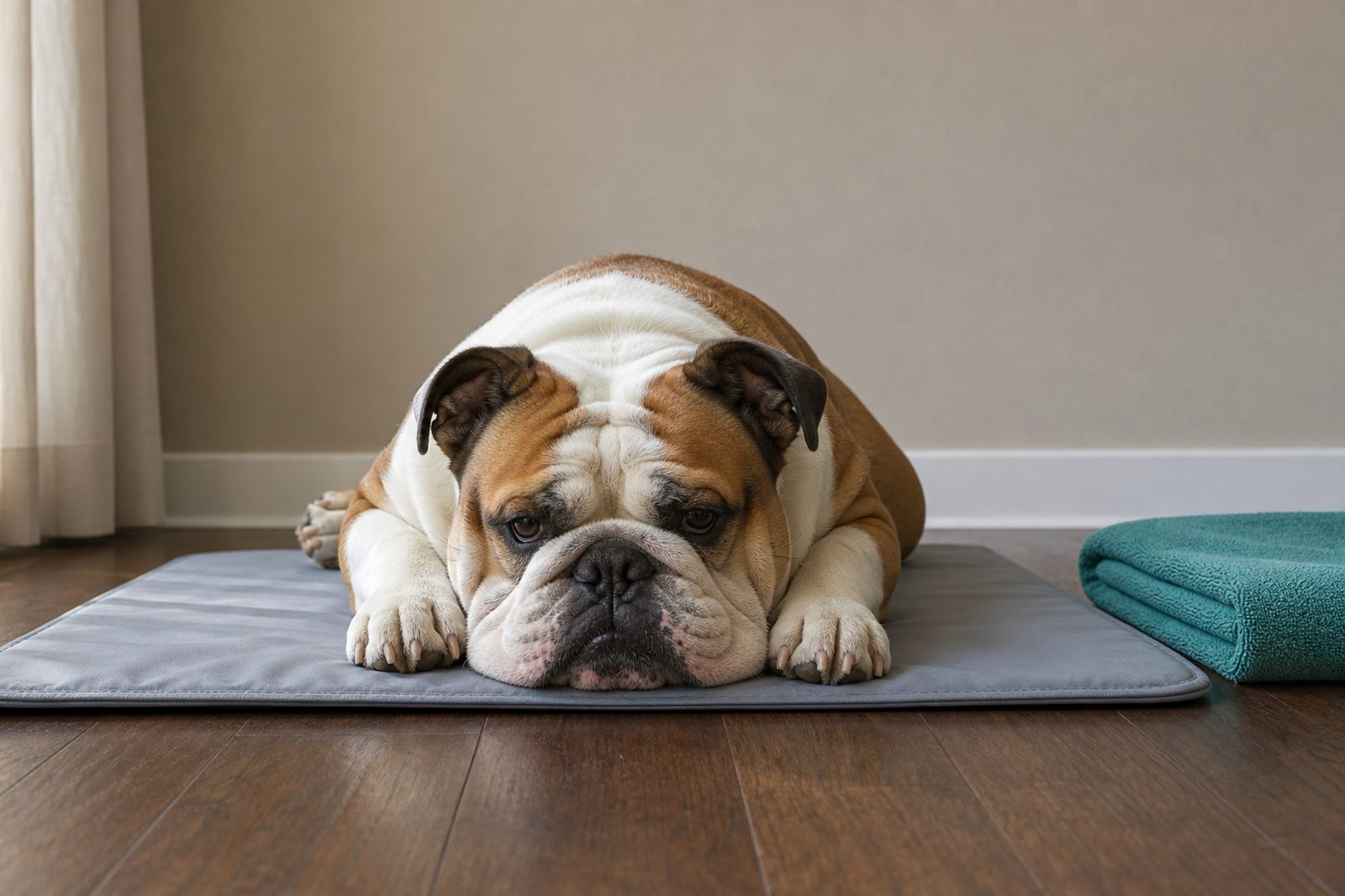
The pattern is the same across the table. Every product moves heat by evaporation or contact. The dog cooling mat is the simplest of the five: no water, no freezer, just a cooler surface and a dog willing to lie on it. Nothing in the aisle widens the dog's narrow safe window or replaces water, shade, and timing.
Do thin fabrics beat insulated ones?
The Arizona dog-owner consensus is: pick thin, breathable gear over thick, insulated layers in the heat. The physics backs it, and the evidence stops there.
Spend time in desert dog groups and you will hear it over and over: for Arizona summers, thin fabrics beat insulated ones. Nobody ran a clinical trial on this. We looked, and there isn't one. But the claim survives contact with the physics.
Evaporative cooling is airflow plus water. Air has to move across the damp fabric to carry the heat away. A thin mesh vest gives evaporation a clear path; a thick or insulated layer sits between the wet surface and the air. Hands-on testers warn that even a padded harness worn under a cooling vest can cancel out some of the cooling. Insulation slows heat transfer, including the transfer you want.
The thread consensus lines up with how the gear is built. Every major evaporative vest is thin, layered mesh by design, and the manufacturers say the same thing: this style of cooling works best in hot, dry climates. The people and the physics agree, and the agreement is the evidence. There is no study to cite, and we are not going to pretend there is one.
| Thread claim | What checks out | Where the evidence ends |
|---|---|---|
| Thin, breathable vests cool better in AZ heat than thick or insulated ones. | Consistent with the physics: airflow across damp fabric is the mechanism, and bulky layers block it. | No published study compares thin vs. insulated dog garments. Consensus plus physics, not a trial result. |
| Light colors stay cooler than dark ones. | Light fabric reflects solar radiation; dark coats absorb it. | Real-world temperature differences are not published. The direction is right; the number is not measured. |
| A dry cooling vest should come off. | Vetstreet and testers agree: a dried-out vest stops evaporating and becomes a plain layer that can add heat. | Nothing to add. This one is settled advice. |
What can't cooling gear do?
No product on the shelf makes a midday summer outing safe. Management is the plan; gear is the accessory.
A cooling vest does not change the pavement temperature. It does not add water to a dehydrated dog. It does not widen the window between a normal 100 to 102 degrees and heatstroke past 104. And it does not keep working when you stop maintaining it: the vest dries, the ice packs thaw, the mat warms up to the room. Unmaintained gear becomes dead weight, and dead weight in 115-degree air is worse than nothing.
Management still rules in Arizona, in this order:
- Time the day. Exercise happens in the coolest hours. Our guide on walking your dog in Arizona heat covers when trails close and what the heat rules say.
- Watch the dog, not the clock. Heavy, frantic panting, thick drool, bright red gums, wobbling, or a dog that lies down and will not get up mean the cooling systems are losing. Know the signs of heatstroke and what to do before the vet before you ever need them.
- Water before, during, after. Dehydration accelerates overheating. Carry water on every warm-weather outing, even the short ones.
- Never trust the car. On an 85-degree day, a car's interior can hit 102 degrees within 10 minutes and 120 within 30, even with windows cracked. No vest fixes that.
When home management can't cover the day, there is an honest skip: a DayCamp day keeps the dog's exercise, play, and rest going in air conditioning, no walk required, no gear to maintain.
Cooling gear buys your dog comfort. It does not buy you the middle of the day.
One more honest limit, because it matters in the Valley specifically. From mid-July through September, monsoon humidity moves in, and evaporative gear gets weaker exactly when the air feels worst. During those weeks, lean on ice-pack gear for short outings, and lean harder on timing and shade than on any product. One more rule from our yard: condition the gear before you need it. A vest that appears for the first time on a 110-degree afternoon is one more new sensation on an already stressed dog. Vest on, treats, vest off, in the cool house in April. By summer it is old news.
Before the program
When Can You Walk Your Dog in Arizona Heat?
Trail closures, pavement rules, and the morning-window math for the Valley, written for Scottsdale and Cave Creek Pet Parents.
What do the numbers say?
How do you pick one without getting played?
Fit and fabric beat brand names. Measure your dog, buy thin and light, and skip the marketing numbers.
There is no independent body ranking dog cooling vests. Every "best cooling vest for dogs" listicle is a roundup of reviewer opinions and retail data. So shop the product, not the list: measure the girth right behind the front legs and use the size chart (a loose vest chafes when wet; a tight one restricts panting), pick thin light-colored mesh, and let the dog try it dry first. Five minutes of treats-and-vest indoors beats a fight at the trailhead.
Ignore the miracle numbers. "59 degrees below ambient" and "cools for days" are marketing copy, not measurements. The honest numbers are smaller: hours, not days, and a few degrees of help. And plan the recharge: if your outing outlasts the vest's wet life, bring water to re-soak or bring a second plan.
The right program
When Gear Can't Cover the Day
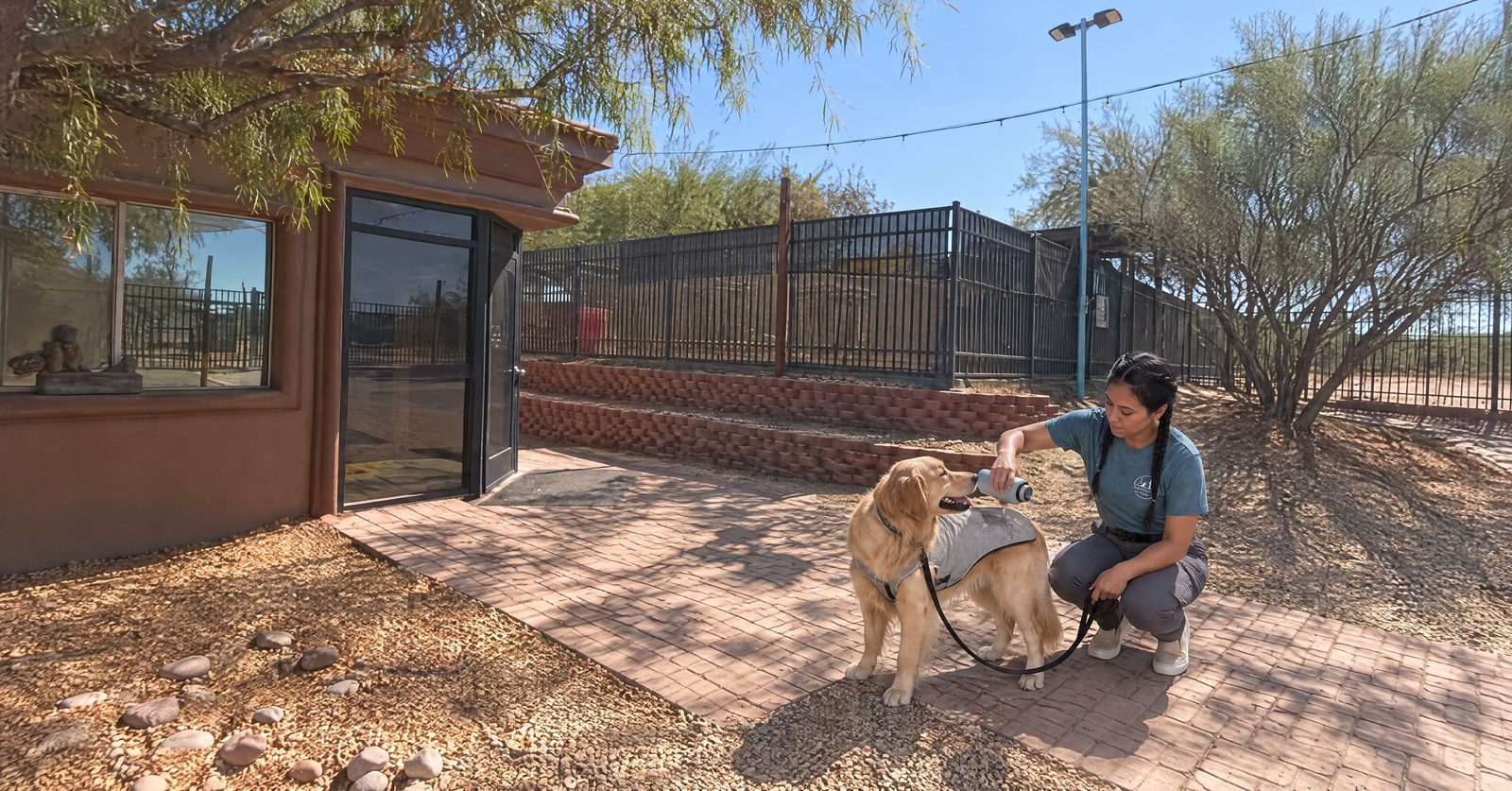
A vest buys comfort, not the middle of the day. On extreme-heat days, skip the walk. A DayCamp day keeps your dog's exercise, play, and rest going in air conditioning.
Key takeaways
Key takeaways
- The best cooling vest for dogs in Arizona is a thin, light-colored evaporative vest that fits well and gets re-wet often, because dry desert air is where evaporation works best.
- Dogs cool themselves by panting, since their only sweat glands are in their paw pads. Every product either helps that process or gets in its way.
- Once a vest dries out, take it off. A dry layer stops cooling and can add heat.
- Ice-pack vests are a reasonable pick during humid monsoon weeks, but keep frozen packs off an already-overheating dog and check with your vet first.
- The thin-fabric advice from Arizona dog owners checks out against the physics of evaporation, though no clinical study has tested it.
- No gear makes midday summer exercise safe. Timing, water, shade, and watching your dog are the real plan.
Frequently Asked Questions
Do cooling vests for dogs really work?
Yes, within limits. An evaporative vest gives your dog a second cooling channel on top of panting, and hands-on testers find the effect real but temporary. It needs re-wetting every few hours, and it stops helping once it dries. Think of it as a comfort boost for sensible outings, not protection for hard ones.
Does an evaporative cooling vest work during monsoon season?
Not well. Evaporative cooling needs dry air, and monsoon humidity from July through September weakens it exactly when the air feels worst. During humid weeks, an ice-pack vest may be the better pick for short outings, and timing and shade matter more than any product.
How long does a cooling vest stay cool, and when should I take it off?
Independent testers report re-wetting every two to three hours on a mild day; Arizona heat shortens that. Take the vest off once it dries out, because a dry layer stops evaporating and can trap heat. If your dog starts panting hard despite the vest, the outing is over, not the vest's fault.
Are cooling vests safe for dogs?
Generally yes, with two watchouts. Never put an ice-cold or freezer-pack vest on a dog that is already overheating; that can be counterproductive and dangerous, and the dog needs cool surroundings and a vet instead. And check the fit: wet fabric rubbing loose in the armpits causes chafing.
Can my dog wear a cooling vest on a midday walk in Phoenix?
No. A vest does not make midday summer exercise safe. It cannot cool hot pavement, add water to a dehydrated dog, or widen the narrow window between normal temperature and heatstroke. Walk in the coolest hours, carry water, and watch your dog. The vest is the accessory, not the plan.
Where should you go from here?
Buy the thin, light vest. Re-wet it. Take it off when it dries. And run the real heat plan underneath it: early walks, water on every outing, shade breaks, and an eye on your dog's breathing. The gear helps most when the management is already right.
Scottsdale: 8642 E Shea Blvd, 85260. Cave Creek: 4640 E Forest Pleasant Pl, 85331. Serving the Phoenix Valley.