Straight answer
Valley fever is a fungal lung infection Arizona dogs get from breathing dust-borne spores. Watch for a dry hacking cough, fever, low energy, and appetite loss; a limp or swollen joints can mean it has spread. It is treatable, not curable, and it is not contagious.
- About 60,000 Arizona dogs get sick yearly (UA Valley Fever Center for Excellence); 6 to 10% of dogs in endemic areas are affected annually.
- Early signs look ordinary: dry hacking cough, fever, low energy, poor appetite, weight loss, about three weeks after heavy dust exposure.
- Lameness is the most common sign of spread beyond the lungs; about 20% of canine infections disseminate (Merck Veterinary Manual).
- Risk peaks in Arizona's driest months: June, July, October, November; cases climb through late summer and fall.
- No vaccine exists yet. Cut risk with less dust: discourage digging, block rodent holes, bring dogs in during storms, cover the yard.
If you are a Scottsdale or Cave Creek Pet Parent, read this one first: the University of Arizona's Valley Fever Center for Excellence estimates 60,000 Arizona dogs get sick with valley fever every year. It hides behind ordinary symptoms, peaks in dusty season, and early detection changes the outcome. Our assessments follow the same logic: a behavior change that is sudden, new and out of character goes to your vet before any training. (Our methodology explains how medical causes fit our assessments.)
What is valley fever in dogs?
The short version: valley fever is a lung infection caused by a fungus that lives in desert soil, and dogs catch it by breathing in its spores.
The fungus, Coccidioides, lives in dry desert soil across Arizona. Wind, digging, or construction throws microscopic spores airborne; a dog breathes them in and they settle in the lungs. Many exposed dogs never get sick: their immune systems clear it alone, per the Merck Veterinary Manual. When the immune system does not shut it down, the infection takes hold and can spread.
Young, large-breed dogs are most commonly affected, per Purdue University's veterinary school. Very young puppies and seniors are more vulnerable too. As Dr. John Galgiani, director of the University of Arizona's Valley Fever Center for Excellence, puts it: "They are in urban areas; you don't have to be out on the desert to be infected."
Valley fever is a textbook medic factor. A dog that goes flat, loses appetite, or starts limping needs a vet, not a training session.
What are the symptoms of valley fever in dogs?
The short version: a dry hacking cough plus fever, low energy, and appetite loss, starting about three weeks after heavy dust exposure.
The early lung-stage signs are the problem. Each one looks like a dozen other things, which is why valley fever gets missed. Per the Valley Fever Center for Excellence:
| Symptom | What it looks like |
|---|---|
| Dry hacking cough | Harsh and dry, sometimes honking. Often the first thing owners notice. |
| Fever | Low-grade and persistent. Confirmed with a thermometer, not your hand. |
| Low energy | The dog that lived for the morning walk now watches from the rug. |
| Poor appetite | Skipping meals over days, not one picky evening. |
| Weight loss | Gradual, over weeks. Ribs and spine get easier to feel. |
Signs usually appear about three weeks after infection, though the fungus can lie dormant for months or years. "We haven't been anywhere dusty lately" does not rule it out.
When the fungus spreads beyond the lungs, the most common sign is lameness. About 20% of canine infections disseminate, per the Merck Veterinary Manual. Some dogs skip the lung signs entirely. Watch for lameness or limb swelling, back or neck pain, seizures, abscess-like lumps under the skin, swollen lymph nodes, non-healing oozing wounds, eye inflammation, and heart failure in a young dog.
Few of these signs belong to valley fever alone, which is why your vet runs tests instead of guessing. A limp in October in Arizona deserves a workup, not a wait-and-see.
When is valley fever season in Arizona?
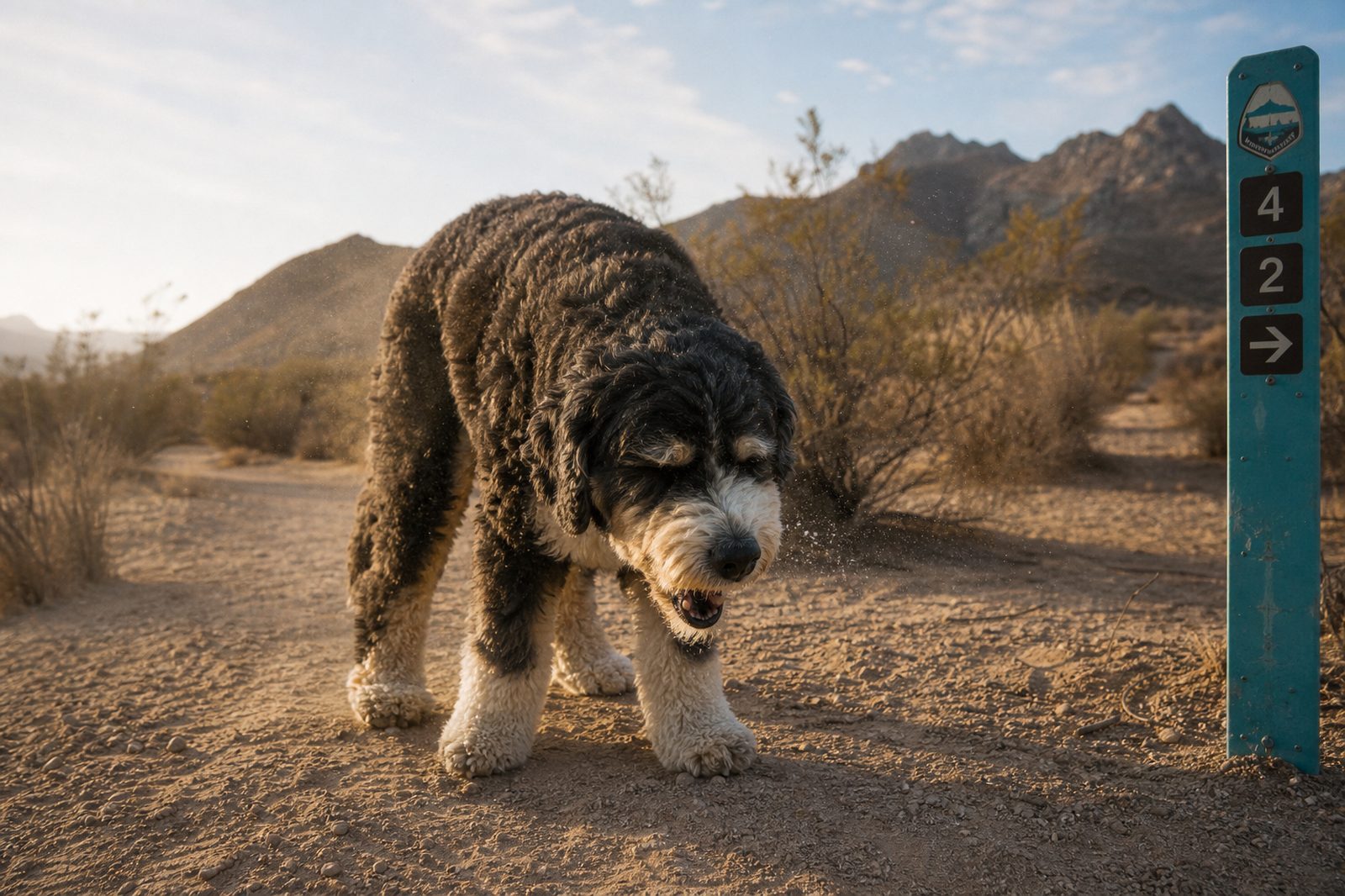
The short version: the driest, dustiest months. June, July, October, and November carry the highest exposure risk in Arizona (PetMD), and cases climb through late summer and fall (Purdue).
The fungus lives in soil year-round but goes airborne when soil dries and gets disturbed:
| Season | Dust conditions | What to do |
|---|---|---|
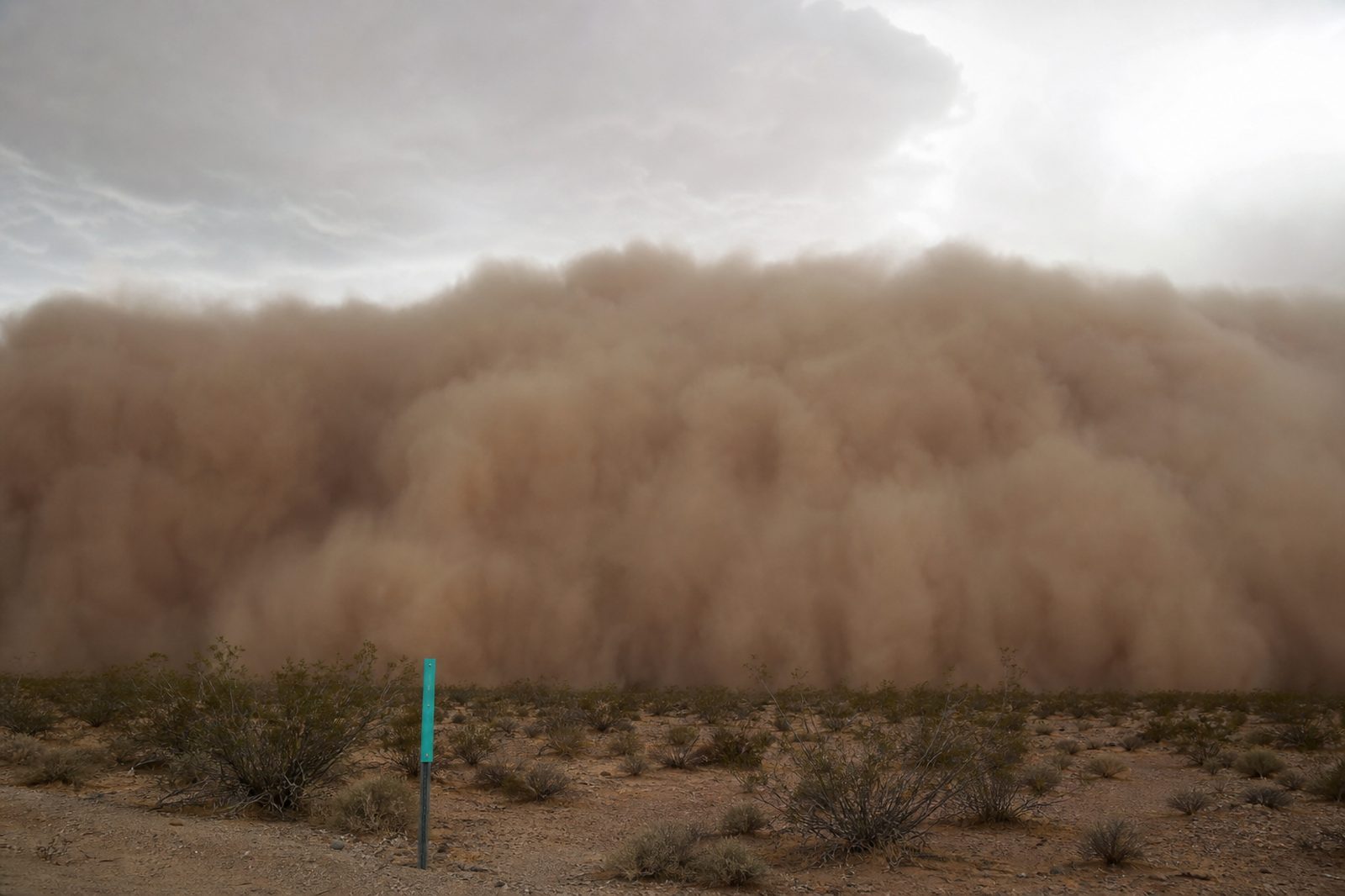
| June, July | Peak dry heat; monsoon dust storms throw dust walls across the Valley | Dogs inside when storms build; skip desert trails on windy days |
| Late summer, fall | Disease incidence climbs, per Purdue; settled storm dust re-circulates | Watch for the three-week-delayed cough after big dust events |
| October, November | Dry fall stretch; construction and landscaping stir soil | Walk away from active construction; supervise diggers |
| Winter, spring | Less airborne dust, but wet-then-dry cycles set up future outbreaks | Keep the year-round habits: ground cover, no rodent-hole sniffing |
Symptoms can follow exposure by weeks or months: a January limp can trace back to a July dust storm. Valley fever spores work like pollen with a longer memory. The dust your dog breathes in July can become a cough in August. Think in exposure windows, not calendar weeks. Cave Creek borders more open desert while Scottsdale is fully metro, but wind carries spores across both, so neither zip code is exempt. For the handler, the lesson is the same one we teach on every trail: read the environment first, then manage the dog inside it.
How do dogs catch valley fever?
The short version: dogs catch it by breathing spores from disturbed desert soil.
Exposure comes from digging in dry dirt, sniffing rodent holes (Purdue notes the fungus favors soil around gopher and ground squirrel dens), dust storms, and construction zones. Valley Fever Center research found sidewalk-walked dogs faced lower infection risk than dogs ranging over native soil.
Three things people get wrong:
| Myth | Fact |
|---|---|
| My sick dog can give valley fever to my other dog, or to me. | No. Every infection comes from inhaled soil spores. Coughing cannot spread it, and even fluid from draining skin lesions is not considered infectious, per the Valley Fever Center for Excellence. |
| Only desert hikers need to worry. | Suburban dogs get it too. Spores ride wind across the metro area, and your own yard soil can harbor the fungus. |
| There is a vaccine, so my vet can just prevent it. | Not yet. A canine vaccine is in development at the University of Arizona, but nothing is on the market. Exposure reduction is the only prevention today. |
How do vets diagnose valley fever?
The short version: symptoms plus your dog's history plus blood work and x-rays. No single sign confirms it.
Purdue's veterinary school says three inputs matter equally: symptoms, diagnostic tests, and exposure history. Tell your vet where your dog has been, when symptoms started, and whether a dust storm, dig session, or construction zone came first.
The tests: a blood titer measuring valley fever antibodies (rising levels point to active infection and track treatment), chest x-rays showing lung changes and swollen lymph nodes, and bone x-rays or CT if your dog is limping.
The workup also rules out lookalikes: bacterial pneumonia, cancer, autoimmune disease, bone infection. Call your vet for a cough lasting more than a few days, a cough with fever or lethargy, unexplained weight loss, or any new limp during or after dust season. The three-week delay means the clock is already running by the time you notice.
How is valley fever treated in dogs?
The short version: months of antifungal medication, regular vet checkups, and patience. Treated, not cured.
Medicines treat valley fever, but none cure it outright. Treatment suppresses the fungus while the immune system finishes the job; stopping early invites relapse. Per the Merck Veterinary Manual:
- Antifungal medication, long-term. Vets typically prescribe antifungals such as fluconazole, itraconazole, or ketoconazole. Your vet chooses the drug and dose for your dog. Dosing is a vet decision, not an internet decision.
- A long calendar. Disseminated disease typically needs at least 6 to 12 months of medication. Dogs with nervous-system involvement may stay on it for life.
- Improvement is not the finish line. Symptoms often ease within weeks. Your vet tracks repeat titer tests and adjusts only when the numbers say so. The same patience runs our training: behavior change on a medical timeline, not a human one, and training starts when the vet clears the dog.
- Regular bloodwork. Antifungals can stress the liver, so monitoring catches side effects early.
- Supportive care as needed. Very ill dogs may need hospitalization for fluids and nutrition, plus medication for cough or fever. Skin involvement sometimes needs surgery.
Prognosis follows the spread: with treatment, lung-stage recovery is usually good; once disseminated, the outlook is guarded and varies by organ. Some dogs do not make it. That is why the early-detection routine in this article exists.
Can you prevent valley fever?
The short version: you cannot eliminate the risk, but you can cut your dog's dust load.
The Merck Veterinary Manual is blunt: no prevention exists beyond limiting exposure to desert soil and dust. Treating soil is not practical; the fungus grows in spotty patches up to a foot deep. What works:
- Discourage digging. Give the digger a job: a filled Kong, a flirt pole session, a training rep. Redirect the behavior into something legal and pay it, the same redirect-and-replace rhythm our trainers coach in Group Classes at Partners.
- Keep noses out of rodent holes. Redirect on walks and in the yard.
- Bring dogs inside during dust storms. When the sky turns brown, the walk waits.
- Choose cleaner routes on dusty days. Pavement and grass over open desert dirt when the wind is up.
- Cover your yard. Grass or deep gravel cuts the dust load where your dog spends the most time.
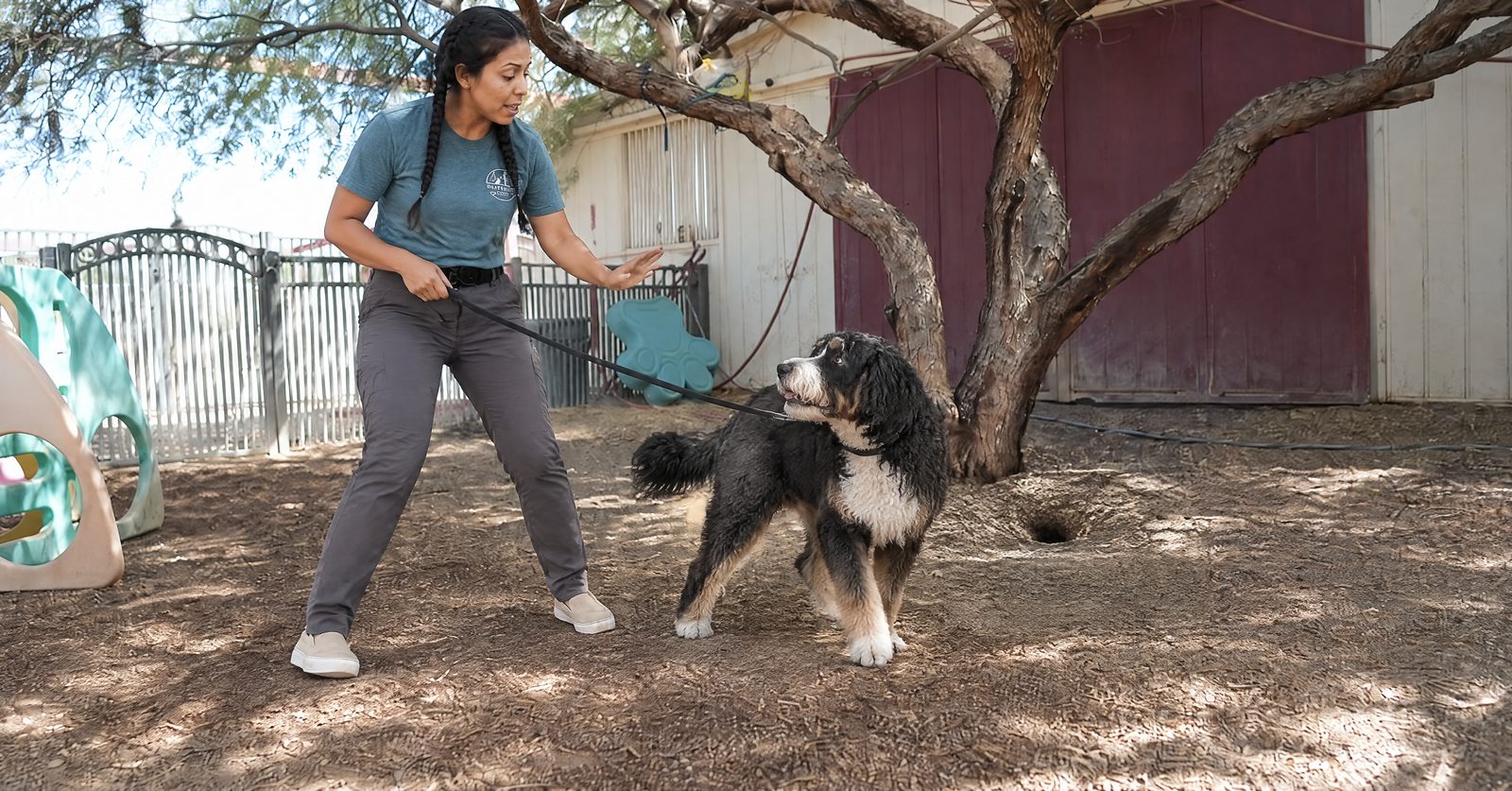
Make it a routine, not a reaction. If you hike with your dog, fold valley-fever awareness into the same post-hike check you run for foxtails: paws, ears, nose, and a mental note of how dusty the outing was. Three weeks later, that note is what connects a new cough to its cause.
The vaccine is coming, but it is not here. The University of Arizona's delta-CPS1 candidate protected dogs in a published 2021 study, but it still needs licensing. Run the dust-reduction routine now.
By the numbers
Mistakes that cost dogs time
- Waiting out the cough. "It's just dust" is the most expensive sentence in Arizona dog ownership. A cough lasting more than a few days, or a cough with fever and low energy, earns a vet visit.
- Treating it as allergies without testing. Allergy and dust seasons overlap. Allergy medicine does nothing for a fungus, and the guessing weeks are weeks the infection spreads.
- Stopping medication when the dog looks better. Symptoms ease in weeks; the fungus takes months. Your vet ends the treatment, not your optimism.
- Assuming the suburbs are safe. Wind carries spores across the whole Valley. No trailhead required.
- Training a medical problem. A dog that suddenly will not move, limps, or goes flat is showing a medic factor, not a behavior problem. Vet first (how we screen medic factors). Training starts after the medical question is answered.
Key takeaways
Key takeaways
- Valley fever is a fungal lung infection caught by breathing dust-borne spores. About 60,000 Arizona dogs get sick each year (UA Valley Fever Center for Excellence).
- Early signs are ordinary: dry hacking cough, fever, low energy, poor appetite, weight loss, starting about three weeks after heavy dust exposure.
- Lameness is the most common sign of spread beyond the lungs. About 20% of canine infections disseminate (Merck Veterinary Manual).
- Highest risk runs through Arizona's drier months: June, July, October, November, with cases climbing through late summer and fall.
- Diagnosis takes symptoms, exposure history, a blood titer test, and x-rays. Treatment means months of vet-prescribed antifungal medication with regular bloodwork.
- Valley fever is not contagious. Prevention is dust reduction, and no vaccine is available yet.
- This article never replaces veterinary care. When in doubt, call your vet.
The right program
Match the program to the dog
Every serious case starts with a PD360 Assessment: a senior trainer reads your dog across nine dimensions and matches it to the right program. No plan is written before the dog is read.
Frequently Asked Questions
What are the first signs of valley fever in dogs?
A dry hacking cough, fever, low energy, poor appetite, and gradual weight loss, usually starting about three weeks after heavy dust exposure. The pattern matters: cough plus fever plus low energy after dust season deserves a vet visit, not a wait-and-see.
Is valley fever contagious to my other dogs or my family?
No. Every infection comes from breathing fungal spores from desert soil. Coughing cannot spread it, and even fluid from draining lesions is not considered infectious (UA Valley Fever Center for Excellence). No quarantine needed.
How long does valley fever treatment take in dogs?
Expect months: typically at least 6 to 12 months of antifungal medication for spread disease, with regular bloodwork to monitor the liver. Symptoms often ease within weeks, but stopping early invites relapse. Your vet sets the timeline from repeat blood tests.
Can a dog get valley fever more than once?
Yes. Reinfection after recovery is possible, and relapse can follow treatment that ended too soon. Dogs with a history of valley fever need close watching: treat any return of coughing, low energy, or lameness as a reason to call the vet promptly.
My dog is coughing and was out in the dust last month. What is the first step?
Call your vet and say the words "valley fever." Report the exposure, when it happened, and every symptom. Your vet combines symptoms, history, a blood titer, and x-rays to confirm or rule it out. A medical question gets a medical answer first.
Where to go from here
Valley fever rewards the Pet Parent who notices early and acts fast. Learn the cough, learn the season, keep the dust down, and call your vet at the first pattern. If a behavior change came with the illness, bring the medical answer to your trainer too: the PD360 Assessment reads the routine and the whole dog, so if the limp, the flat energy, or the sudden reactivity is a medical problem, training waits and the trainer and the vet work the same case from different sides.
Scottsdale: 8642 E Shea Blvd, 85260. Cave Creek: 4640 E Forest Pleasant Pl, 85331. Serving the Phoenix Valley.