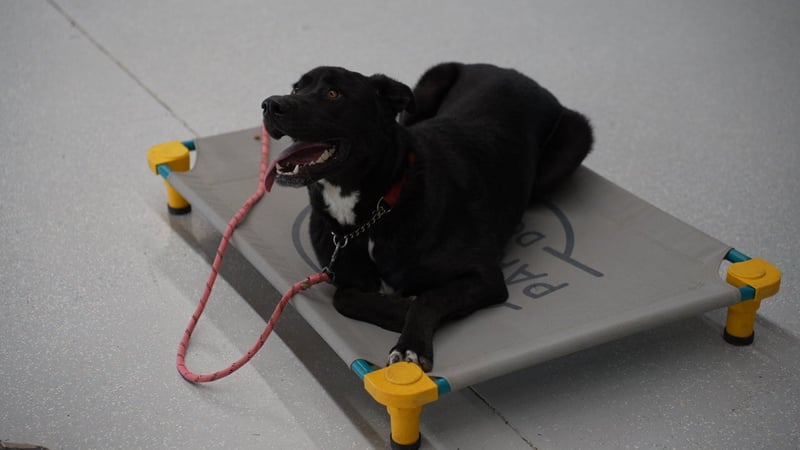
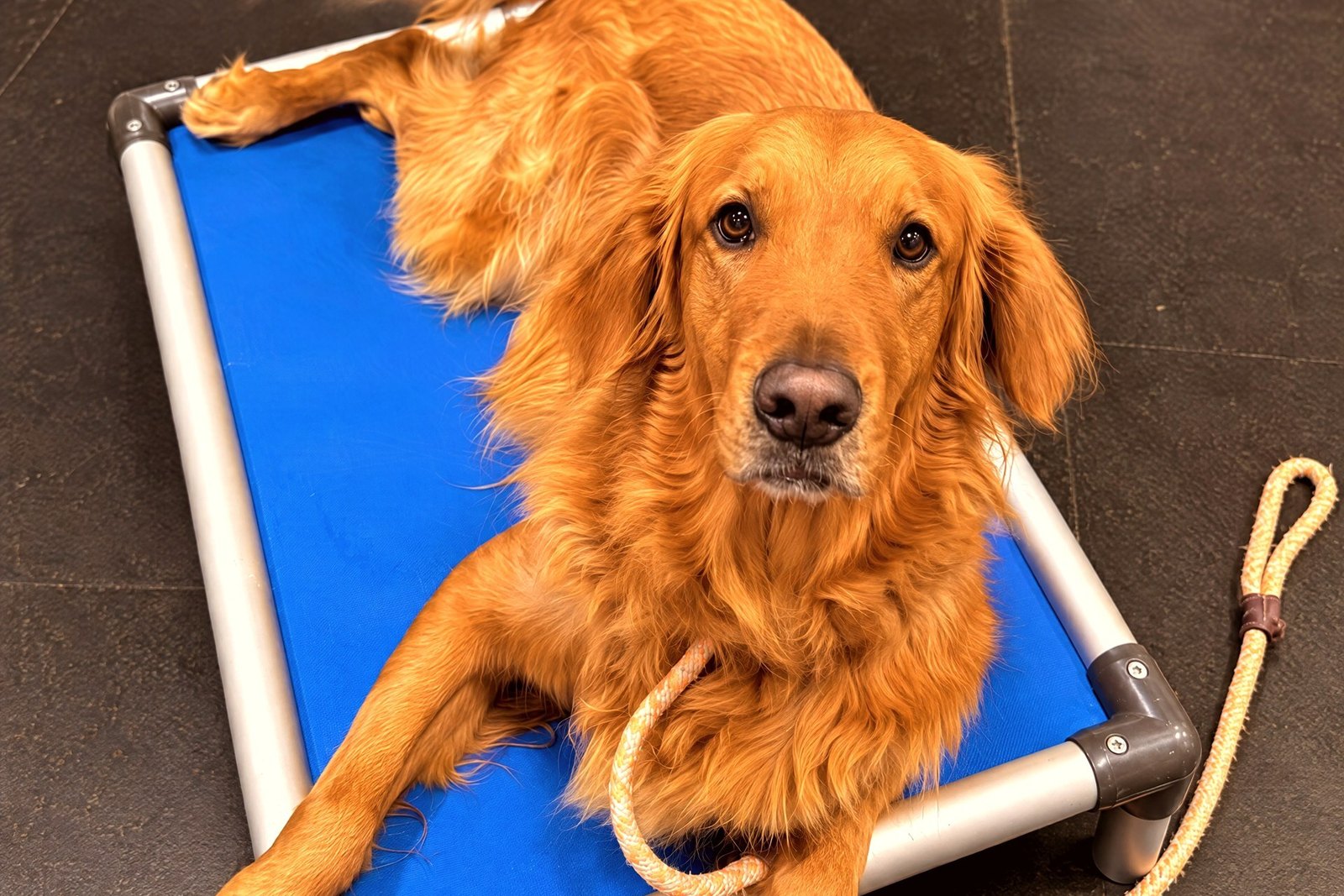
Most dogs need volume, multiple handlers, and a structured reset to make a new skill reliable outside the room it was taught in, and that is what a boarded program like Foundation Camp is built to deliver. Private Lessons are enough only for a stable dog with one narrow, home-specific problem and an owner who will drill daily reps between visits.
Someone comes to your house once a week. Or your dog goes away for two to three weeks and comes back a different animal. Both promises sound reasonable when you are standing in a Scottsdale kitchen at 6 a.m. with a dog who has already knocked over the trash can twice, and neither promise is automatically true. This comparison walks through what each format gets right, where each one runs out of runway, and which one fits your dog.
What Does an In-Home Dog Trainer Get Right?
An in-home trainer, or Partners Dogs' own Private Lessons, gets real things right: the dog trains in the actual room where the problem happens, and the owner is present for every rep, building handling skill alongside the dog's. For a dog with one narrow, home-specific issue and an owner who can commit to daily reps between sessions, that is often enough.
/Programs/Private%20Lessons/In%20home%20real%20world.jpeg?width=1200&name=In%20home%20real%20world.jpeg)
What one person visiting once a week cannot replicate is a team. Partners Dogs has trained 70,000+ dogs since 1997 out of Cave Creek and Scottsdale on a different model entirely: multiple trainers working a dog across staffed hours inside a purpose-built campus, moving that dog through an eight-level curriculum with PD360 tracking at every stage. Our own trainers log real depth before they work a dog alone: 30 hours of coursework before facility work, 1,000 supervised hours before advancing to Instructor, 2,000 across breeds and behaviors before Senior. That bench is the whole argument for board and train. It supplies more of the right kind of exposure than one person can, on top of the same reward-based method in-home coaching already uses.
When Is Private Lessons the Right Call, Not Board and Train?
Name the honest scenario plainly: a stable, social adult dog with one specific home-bound issue, like counter-surfing or door-dashing, and an owner who will do the reps between visits is a legitimately good fit for Private Lessons alone. That dog does not need a boarded stay.
"We engaged to Will for in-home training as well which proved to be very helpful for trading humans and our two whippets."
Ruth L., Cave Creek
A dog that is already social and stable just needs the right coaching pointed at the right habit, and Private Lessons delivers that without a boarded stay. That is the exception, not the default. Most dogs walking through our doors need more than a weekly hour can give them.
What Should You Ask Any Trainer, Including Us?
Most in-home and mobile trainers operate as a single person. That is not automatically a red flag. It does mean the entire arrangement rests on one schedule, one skill set, and one set of protocols. Before you book with any trainer, ask the questions a single operator structurally cannot always answer well, and ask us the same ones:
- Do they carry liability insurance, and will they show proof?
- What is their bite protocol if a session goes wrong?
- Who covers your dog's sessions if the trainer gets sick or takes time off?
- Do they have a working relationship with a local vet for an emergency during a session?
- How many other dogs are they scheduling in the same week, and does that leave room to prep for yours?
- Are they certified, and what does that certification actually verify?
Certification is worth checking, but do not stop at the badge. The most common trainer certification is CPDT-KA: it requires 300 hours of logged experience verified by a single attestation signature, not an independent audit. Its exam is 200 multiple-choice questions with no hands-on component. Only about 2.9% of CPDT-KA holders go on to earn the hands-on-assessed CPDT-KSA add-on. A certification is a reasonable floor, not a substitute for asking how many supervised hours the person standing in your house has actually logged, on how many dogs.
None of this means home-based trainers are unsafe as a category. It means a solo operator is structurally different from a facility with a staffing bench, and a Scottsdale family comparing the two should ask, not assume.
Not sure which format fits
Which Format Actually Matches Your Dog?
A short quiz points you toward the program that matches your dog's specific issue, in-home or board and train, before you spend a dollar.
Why Doesn't a Skill Learned at Home Transfer to the Vet or the Park?
This is the piece most in-home comparisons skip, and it is the mechanism worth understanding before you pick a format. Trainer-education consensus describes it this way: environment is a trigger, not the cause. A dog that learns "sit" in one room learns it bundled with that room's smells, its flooring, and the handler's exact posture, not as an abstract command that travels anywhere. Pull away those contextual anchors and the behavior's reliability drops, sometimes to nothing.
A dog that sits for the in-home trainer on Tuesday does not automatically sit for a stranger at the vet on Wednesday, because the room, the handler, and the routine all changed at once. Reliable generalization needs gradual exposure to new environments, new distractions, and new handlers, introduced deliberately rather than all at once. A single weekly home visit cannot supply that kind of rep volume on its own.
"After attempting to train my Standard Poodle for over a year, I reached out to Partners and enrolled him in the Board and Train Program. I am very happy with the results."
Mussallina M., Scottsdale
Roughly an hour a week is honest, even by the standards of trainers who sell in-home sessions for a living: it is real coaching. It is not the rep volume a generalizing behavior needs. A Foundation Camp stay replaces that hour-a-week ceiling with structured immersion across an entire day, multiple handlers by design, and controlled exposure to new environments on purpose instead of by accident.
"I decided on boarding when she was around seven months old. This option provided her with valuable socialization and exposure to multiple handlers."
Anica M., Scottsdale
Multiple handlers is not a downside of board and train, it is the point: a dog that has practiced "sit" for three different trainers in three different rooms has generalized the command, not just memorized it for one person in one place. Reward-based methods are the foundation of that process from the first day. This is a question of volume and exposure, not method.
How Does Board and Train Get Those Skills Back Into Your House?
The in-home advocates make a fair point that has to be answered directly, not waved off: skills learned at a facility have to come home, or the boarded stay was wasted money. The AKC's own guidance says the same thing from the other side, that without practice at home after a residential program, the training tends to fade.
/Programs/Transform%20Camp/Safer%20home%20(1).jpeg?width=1200&name=Safer%20home%20(1).jpeg)
Transfer-home is not an afterthought bolted onto Foundation Camp. It is built into the program. A handoff lesson walks the family through exactly what the dog learned and how to hold the line on it. Parent coaching covers the specific commands and corrections used during the stay. Continued reps through group classes keep the skills getting practiced in new rooms, not just the one they were built in.
"We put our doberman, Dred, through Partners' behavior camp for a variety of reasons, one of which was they could provide a stable and consistent environment to help give him a solid foundation of basics, which we could not do."
Katherine B., Cave Creek
Katherine's family is candid that they could not provide that consistency themselves, which is why a lot of Scottsdale and North Phoenix households look at board and train in the first place: not because in-home coaching is bad, but because a full-time job and a busy household leave little room for the daily consistency a young or adolescent dog needs.
So Which One Fits Your Dog?
Match the format to the dog and the household, not the other way around. Private Lessons is the right start when three things are true: your dog is stable and social, the issue is one specific home-bound habit, and you can genuinely commit to daily practice between sessions.
Board and train fits the opposite pattern: a dog pulling, mouthing, or ignoring you across multiple settings; a household too busy for daily consistent reps; or a dog that "listens fine at home" and falls apart everywhere else. That pattern is the one behind the not-listening behavior spoke, and it points toward the volume and multiple-handler exposure a boarded program provides.
A PD360 Assessment settles the question with an actual evaluation of your dog rather than a blog post's best estimate, and it scopes which format and which program fit before you commit to either one.
Frequently Asked Questions
Is an in-home dog trainer or board and train better for an overwhelmed new-dog family?
It depends on the dog, not the household's preference. A stable dog with one narrow, home-specific issue and an owner with time to drill daily reps does well with Private Lessons. A dog with multiple issues across settings, or a household too busy for consistent daily practice, generally does better starting with a boarded program like Foundation Camp, which supplies the rep volume and multiple-handler exposure a weekly home visit cannot.
How many hours of actual training does board and train provide compared to a weekly in-home session?
A typical in-home trainer visits roughly once a week for about an hour. A boarded program like Foundation Camp provides structured immersion across the full day, every day of the stay, with multiple trainers working the dog in different rooms and settings on purpose. The gap is volume and exposure, not a difference in training method.
What questions should I ask any dog trainer before booking, including Partners Dogs?
A few questions are worth asking first: do they carry liability insurance, what is their bite protocol if a session goes wrong, who covers your dog if they get sick, and how many other dogs are they seeing that week. A single operator is not automatically unsafe. The arrangement still rests on one person.
Will my dog's board and train skills actually hold once we get home?
Only if the program builds transfer-home into the process, not just the boarded stay itself. Foundation Camp includes a handoff lesson that walks the family through exactly what the dog learned, parent coaching on the specific commands used, and continued reps through group classes so the skills keep getting practiced in new settings after the dog comes home.
My dog listens perfectly at home but ignores me on walks or at the vet. Does that mean the training failed?
No, it means the behavior was never generalized past the room it was taught in. A dog learns a command bundled with the environment it was taught in, and that reliability drops once the room, the handler, or the routine changes. Fixing it requires deliberate, gradual exposure to new settings and handlers, which is exactly what the not-listening pattern in dogs usually points back to.
Is paying more for a professional board and train program actually worth it, or is an in-home trainer enough?
It depends on what the dog needs, not the price tag alone. A stable dog with one home-bound habit and an owner who can drill daily reps gets full value from Private Lessons. A dog that needs volume, multiple handlers, and a structured reset is where the extra cost of a boarded program like Foundation Camp pays off, since transfer-home coaching and a PD360 Assessment are built into the process rather than left to chance.
Ready for a straight answer
Get Your Dog's Format Confirmed by an Assessment
A PD360 Assessment scopes your dog's specific issue and tells you plainly whether Private Lessons or a boarded program fits, before you commit to either one.
Partners Dogs has trained 70,000+ dogs out of Cave Creek and Scottsdale since 1997, earning a 4.8-star rating across 2,000+ reviews. Families in that record tried the home-based route, the boarded route, or both before landing on what worked for their dog.