Climate-controlled boarding in Phoenix has to manage heat at every point your dog crosses it, not just inside a cooled building: the walk from the car, the timing of outdoor breaks, and monsoon storms during the stay.
"The fact that it's all indoors is a huge plus, especially in the Arizona summer heat. It gives me peace of mind knowing he's comfortable, safe, and not stuck in a kennel all day."
Tiffany A., Scottsdale
That anxiety is the real starting point for most Phoenix boarding searches, and summer heat is a big part of it. Every boarding checklist online tells you to check for climate control. Almost none of them say what that should mean in a place where the pavement between the car and the front door can hurt a dog's paws before the dog ever needs the building itself to be cool.
What Should Climate-Controlled Boarding in Phoenix Cover?
The standard boarding checklist gets you most of the way there, and it is worth using. Widely published guidance for choosing any boarding kennel covers the same ground: tour the facility in person, confirm the temperature and ventilation feel comfortable, and ask how often dogs get supervised time. It also means asking about vaccination requirements (rabies and distemper are core vaccines most kennels check, and bordetella and canine influenza are commonly required for boarding too) and finding out how you will get updates during the stay.
None of that is wrong. It is also not written for the desert. A checklist built for a temperate climate treats "climate controlled" as a yes-or-no question about the building. For dog boarding during a Phoenix summer, that question is not enough on its own, because a dog crosses open air and hot ground several times a day even at a well-run facility, and the standard checklist never asks what happens during those crossings.
Why Does Phoenix Pavement Change the Boarding Math?
Asphalt and concrete run far hotter than the air temperature above them. The American Kennel Club points to an 86-degree day producing asphalt measured at 135 degrees, a nearly 50-degree gap, which is why a 100-degree day can produce pavement hot enough to burn a paw in seconds. Its recommended field test: press the back of your hand to the pavement and hold it there. If you cannot keep your hand down for ten seconds, it is too hot for your dog's paws.
- Parking lots and unshaded walkways heat up fastest and hold heat longest into the evening.
- A dog does not need to be outside long to be affected. Drop-off, pickup, and any outdoor break all count.
- Lighter-colored concrete runs cooler than dark asphalt, but neither is safe once the ten-second test fails.
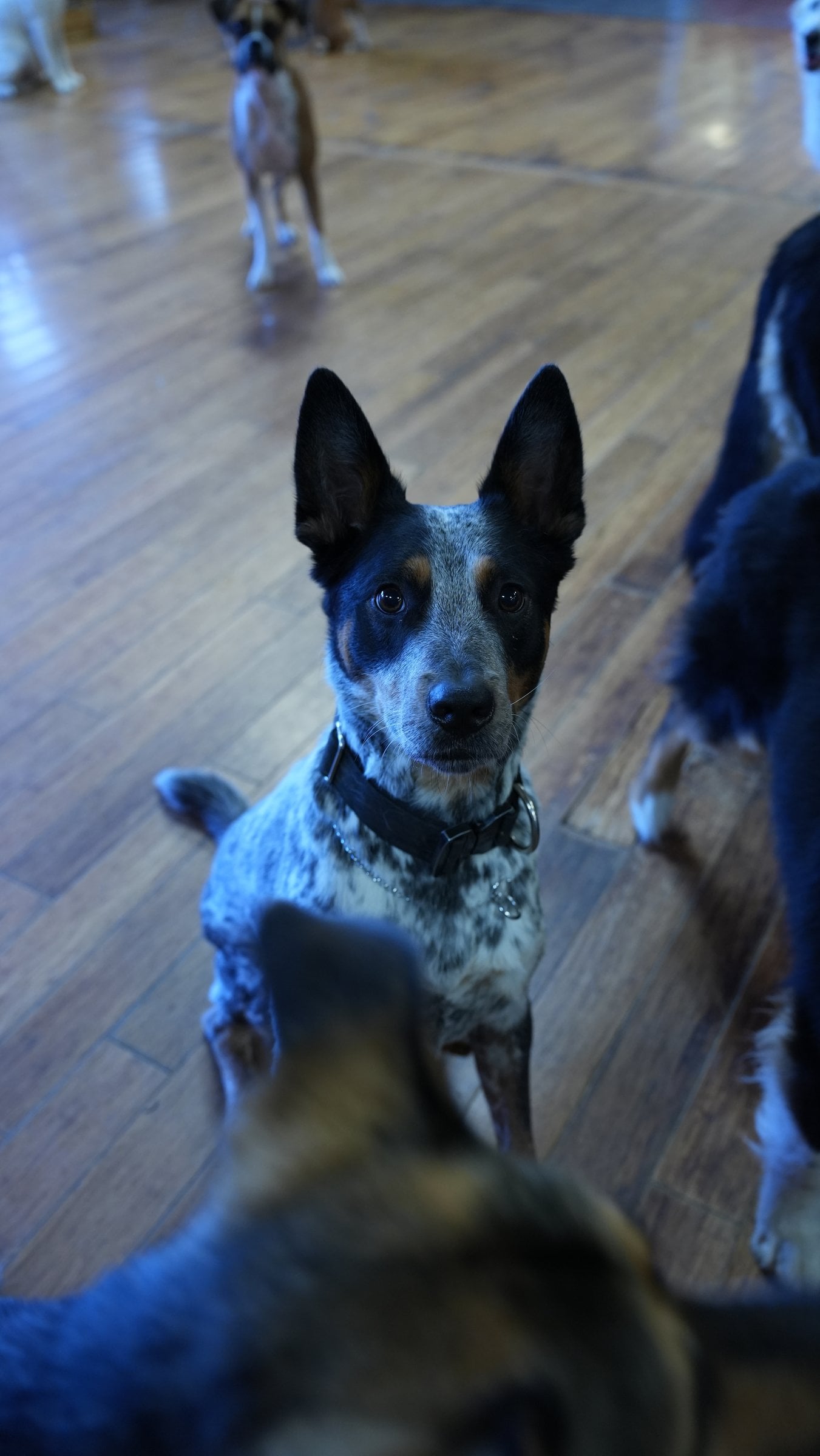
This is the part of climate control a building's air conditioning cannot fix on its own. It has to be managed with scheduling and routing, not refrigeration alone.
Stay cool indoors
See What a Boarding Stay at Partners Dogs Includes
Trainer-run floors and structured routines at our Scottsdale and Cave Creek campuses are built around your dog's stay, not just a kennel run.
How Hot Does a Phoenix Summer Get?
July is historically Phoenix's hottest month, averaging 95.5 degrees according to National Weather Service climate normals for the 1991-2020 reference period. That figure is a 24-hour average, blending overnight lows with afternoon highs, so the daytime peak a dog would walk through runs well above it. A dog boarding through July or August (whether the family is coming from Scottsdale, North Phoenix, or Desert Ridge) is boarding through the hottest stretch of the calendar, not just a warm week.
That is the window where the difference between "the building has air conditioning" and "the whole day is planned around the heat" matters most. A dog who only goes outside during the coolest part of the morning and evening is having a very different day than a dog whose breaks happen whenever staff has a free minute.
What Happens to a Boarding Stay During Monsoon Season?
Arizona's monsoon season runs a fixed calendar window, June 15 through September 30, set by the National Weather Service. It is not triggered by the first storm. It is a season on the calendar every year, which means any dog boarding in that stretch is boarding during monsoon season by definition, whether a storm rolls through that particular week or not.
Sudden wind, thunder, and dust are part of that window. A dog who is fine on a calm day can still get rattled by a storm that builds fast, on top of an already unfamiliar place. If your dog startles at storms or fireworks at home, ask a facility how it keeps dogs calm and supervised through a sudden storm, not just how it keeps the building cool. For dogs with a real noise-driven fear response, our help for noise phobia and storm anxiety covers the training side separately.
What Should You Ask a Boarding Facility About Heat Management?
Ask how outdoor breaks are scheduled relative to the hottest part of the day, not just whether the building has air conditioning. A facility with a written heat routine can answer that in one sentence. One that has never been asked usually cannot.
- How are potty and play breaks timed against the day's heat, and does that change in July and August?
- What does the walk from the parking lot to the building actually look like: shade, a covered entry, or open pavement?
- How are updates handled during the stay, and can you call to check in?
- Does the facility publish its current boarding rates, or do you have to call for a quote?
That last question is not about heat, but it is worth asking anyway. A facility willing to publish its rates is usually just as willing to answer the heat questions directly instead of talking around them.
How Does a Partners Dogs Stay Handle Arizona Summer Heat?
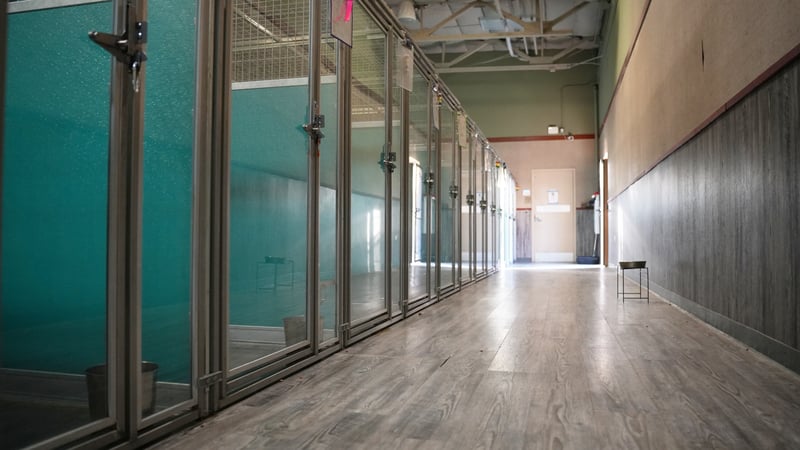
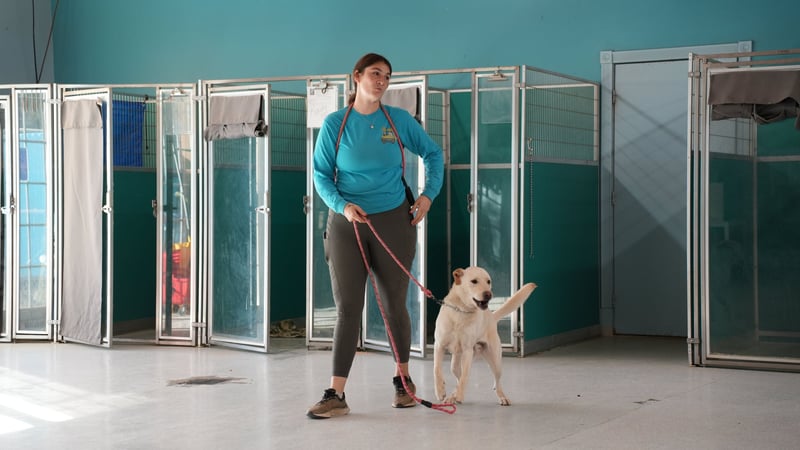
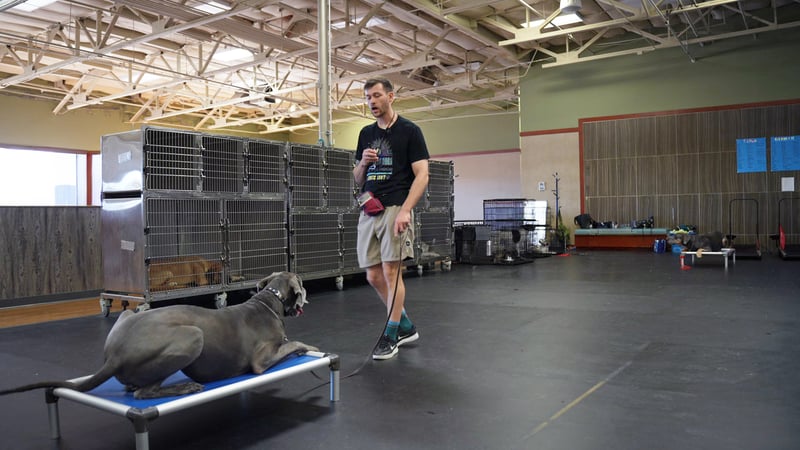
Our indoor, climate-controlled suites and heat-adjusted turnout schedule are built for Arizona summer, so the hottest hours never set your dog's day. A purpose-built facility carries structural advantages that a day at home does not. Staff are on site around the clock, not working a route. Dogs rest on indoor climate-controlled floors between breaks, not just a cooled room they pass through. A written break protocol times every outdoor crossing, drop-off included, against where the day's heat actually is. And a facility with an established vet relationship has somewhere to turn immediately if anything needs a second opinion mid-stay. At Partners Dogs, trainers run the boarding floor, so a stay can reinforce your dog's current grade-level work instead of just pausing it for a week: the dog comes home having held ground, not just survived the heat.
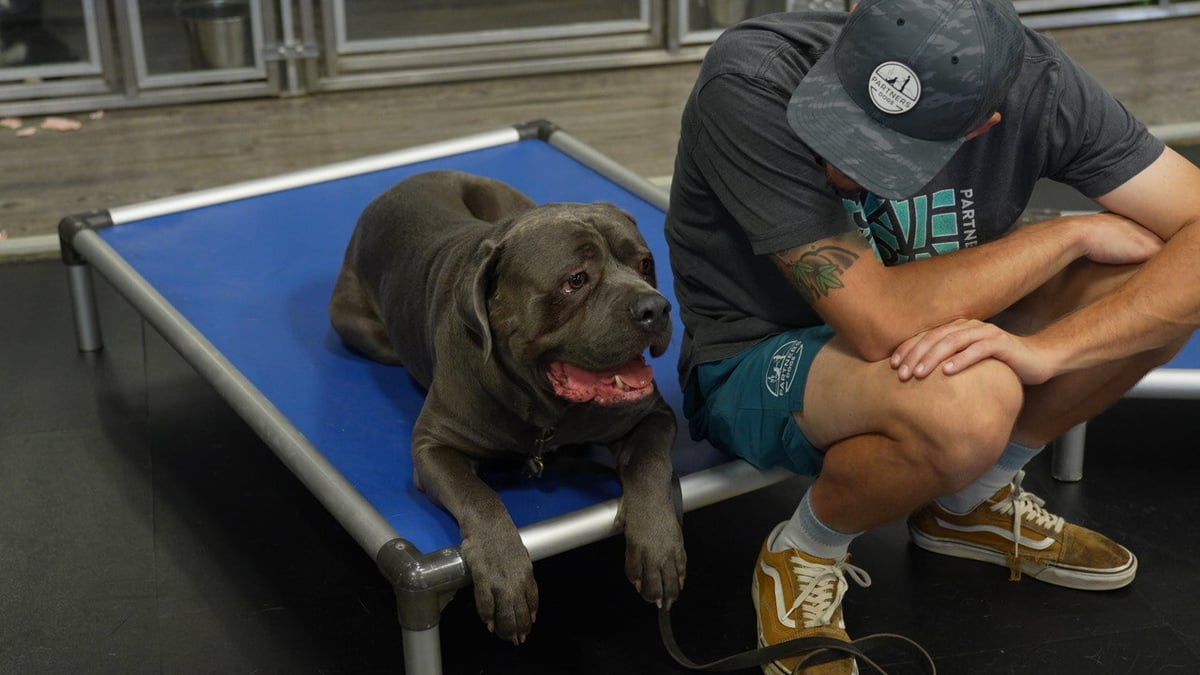
The question worth asking either way is the same one from the checklist above: is there a plan for the heat, or is the heat just something everyone deals with as it comes?
Ask before you book
Get Your Heat Questions Answered Directly
Call ahead of a summer stay and ask exactly how breaks are scheduled around the heat, and expect a specific answer, not a general one.
Partners Dogs holds a 4.8-star rating across more than 2,000 reviews, many from first-time boarding families working through the same nerves.
"Positive atmosphere, good air conditioning, inside/outside access, and attentive staff, in my experience."
Kenneth, Scottsdale
Read the full set on our reviews page.
Key takeaways
- On an 86-degree day, asphalt can reach 135 degrees, nearly 50 degrees hotter than the air, hot enough to burn a dog's paws in seconds.
- The American Kennel Club's field test is simple: if you cannot hold the back of your hand on the pavement for ten seconds, it is too hot for your dog's paws.
- July is historically Phoenix's hottest month, averaging 95.5 degrees, based on National Weather Service climate normals for 1991-2020.
- Arizona's monsoon season runs a fixed calendar window, June 15 through September 30, regardless of whether a storm hits in a given week.
- A facility with a written heat-break schedule manages the moments a dog is outside the building, not just the air conditioning inside it.
Frequently Asked Questions
What does "climate controlled" mean for dog boarding in Phoenix?
It should mean more than an air-conditioned building. In Phoenix, it also means a plan for the moments a dog is outside the building: the walk in from the parking lot, potty and play breaks, and any transport between areas. All of that should be timed and routed to avoid the hottest stretch of the day.
Do dogs go outside at all during a Phoenix summer boarding stay?
Yes, almost every boarding stay includes some outdoor time for potty breaks and play. The question worth asking a facility is when those breaks happen and how they are scheduled around the heat, not whether they happen at all.
Does monsoon season affect a boarding stay even if there is no storm that week?
Arizona's monsoon season is a fixed calendar window, June 15 through September 30, so any stay booked in that stretch falls inside it by definition. Whether a storm happens depends on the week, but a facility should still have a plan for keeping dogs calm if one does.
Is boarding safe during a Phoenix summer?
Yes, when the facility is built for it: staff on site around the clock, indoor climate-controlled floors, a written break protocol for every outdoor crossing, and an established vet relationship if something comes up mid-stay. Ask any facility the same heat-scheduling questions before you book, and ask us too.
What should I ask a Phoenix boarding facility before I book a summer stay?
Ask how outdoor breaks are scheduled relative to the day's heat, what the walk from the parking lot to the building looks like, how you will get updates during the stay, and whether current rates are published. A facility that answers these directly, without redirecting to a general answer, is usually the one that has actually planned for it.
Book with confidence
Book a Summer Stay That Already Has a Heat Plan
See current availability and what a stay at Scottsdale or Cave Creek includes, then reach out with any heat-specific questions before you book.