What you need to know
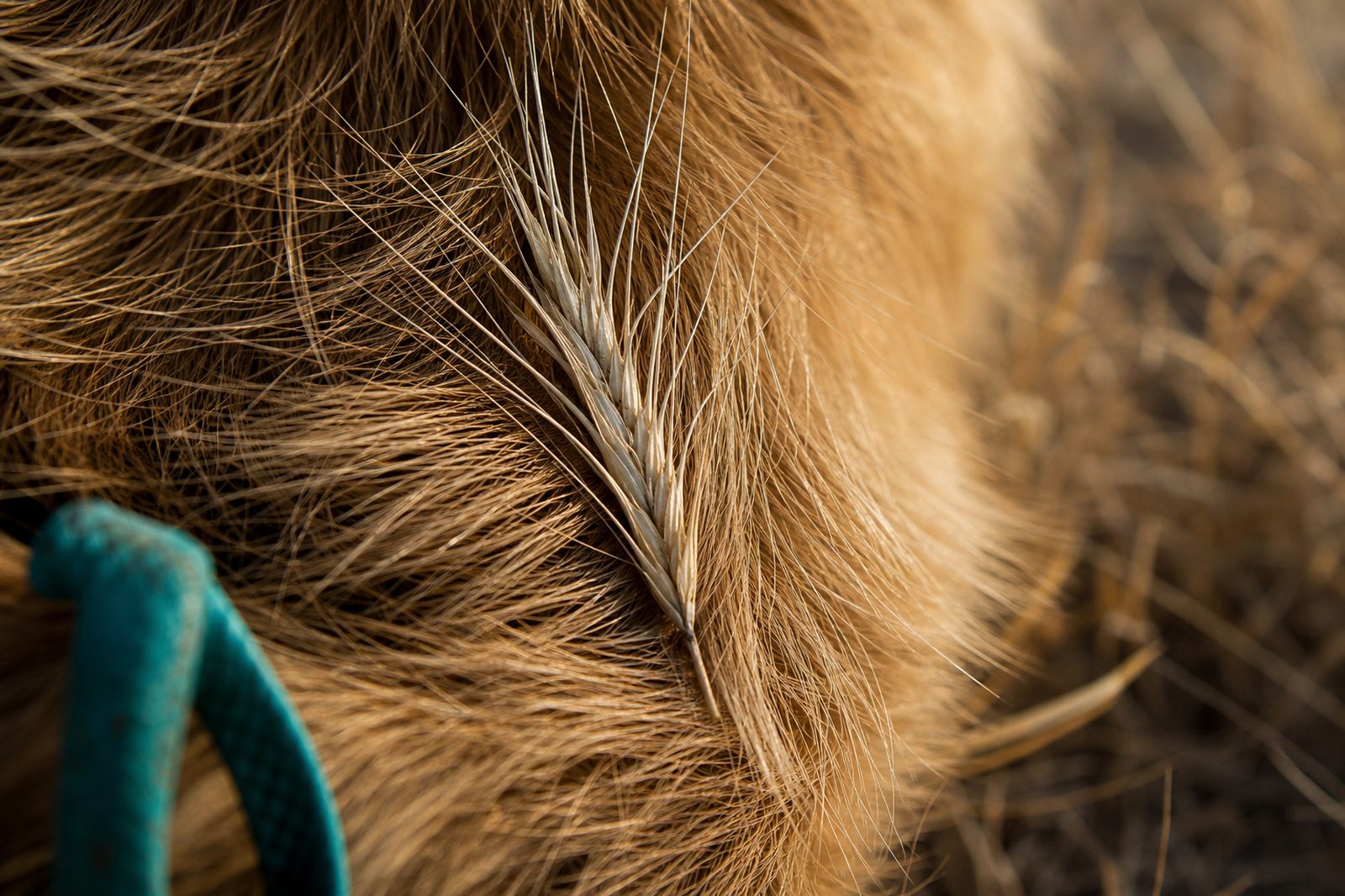
Foxtails are barbed grass seeds that burrow one way only: into your dog. A post-hike check catches them before they migrate.
- Foxtails are barbed grass awns from dried grasses like wild barley and cheatgrass. The barbs point forward, so the seed burrows deeper with every step your dog takes and cannot back out.
- A foxtail can enter through paws, ears, nose, eyes, skin, mouth, or genitals. From the nasal cavity it can migrate to the brain or be inhaled into the lungs.
- Run the check after every hike: paws and toes first, then nose, eyes, ears, armpits, belly, genitals, and a full-coat sweep. Catch it in the driveway and it is a five-minute job. Miss it and it is a vet visit.
- Pull plainly visible surface foxtails with tweezers, near the base. Anything near an eye, in an ear, or causing redness and swelling goes to the vet. This article never replaces veterinary care.
Foxtails are barbed grass seeds that burrow one way only: into your dog. They can migrate from the nose to the brain or into the lungs. The fix is a trained post-hike check, run the same way after every hike: paws, nose, eyes, ears, then the coat sweep, before you drive home.
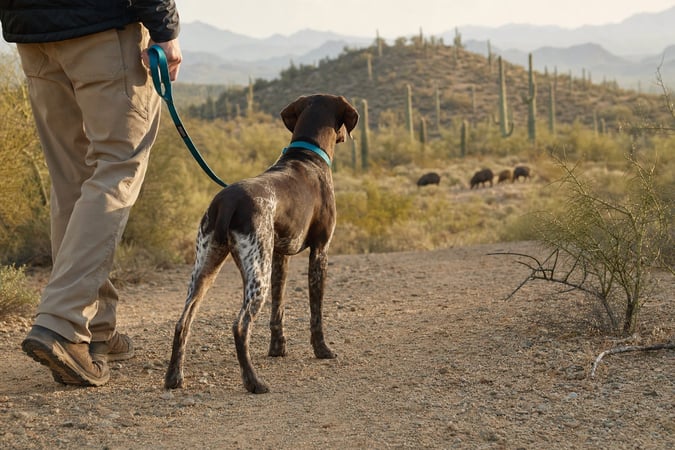
You pull into the trailhead lot after a Cave Creek hike. Your dog loads up fine, tail wagging, and somewhere in that coat sits a barbed seed that will spend the drive home working deeper into skin. Foxtails do not announce themselves. The check takes four minutes. Our methodology treats it like any trained routine: same order, same calm, every time.
What are foxtails and why are they dangerous for dogs?
The short version: foxtails are barbed grass seeds that burrow one direction only: forward, into your dog.
Foxtails are sharp grass awns from several dried grass species, including wild barley, cheatgrass, and Canada wild rye, with a seed head shaped like a fox tail. In spring they are green and soft; once the Valley dries out, the barbed seed heads harden and catch on any passing dog (AKC, updated Feb 23, 2026).
The barbs point forward along the seed, so your dog’s own motion pushes it deeper. It cannot back out. The barbs work like a fishhook: easy in, impossible out. The seed carries bacteria with it, tunneling through tissue and seeding infection: grass awn disease. Cornell veterinary dermatologist Dr. William H. Miller Jr. puts it plainly: once a foxtail penetrates skin, "the surrounding tissue sucks them in, and they can go pretty much anywhere in the body" (Cornell/Dr. Miller).
The migration path vets warn about starts in the nose: a foxtail in the nasal cavity can work its way to the brain or be inhaled into the lungs. A 2-year-old Saint Bernard treated at the UC Davis Veterinary Medical Teaching Hospital needed surgery for a perforated lung and treatment for widespread infection. "A foxtail nearly killed Brougham," said UC Davis emergency veterinarian Dr. Deborah Silverstein (UC Davis).
Where do foxtails get stuck on dogs?
The short version: between the toes first, then ears, nose, eyes, skin, mouth, and genitals.
The AKC lists the entry points: ear, eye, mouth, nose, between the toes, plus skin anywhere the coat is thin. Dogs with long ears and long coats pick up more barbs, which is why the check runs longer on a setter than on a boxer.
| Body site | What you see |
|---|---|
| Between the toes and paw pads | Swelling between the toes, limping, chewing or licking one foot |
| Ears | Head shaking, head tilt, scratching at one ear |
| Nose | Repeated violent sneezing, nasal discharge, pawing at the face |
| Eyes | Redness, swelling, discharge, squinting, pawing at the eye |
| Skin and coat | Red swollen patch, a wound that will not heal, discharge or odor |
| Mouth and throat | Gagging, retching, hard swallowing, repetitive coughing |
| Genitals | Persistent licking of the area |
The sign list comes from the AKC’s veterinary guidance (AKC). The pattern: sudden, one-sided, after outdoor time.
What are the signs of a foxtail in your dog?
The short version: sudden, one-sided irritation that starts after outdoor time and does not let up.
Use the site signs in the table above, then watch for the escalation signals vets flag. Repeated head shaking or tilt means an ear foxtail working deeper: do not probe the ear, call the vet (Dr. Silverstein’s guidance, UC Davis). Repeated sneezing means a seed in the nasal passage: the migration case that reaches the brain or lungs. Coughing, heavy breathing, or lethargy can mean a foxtail in the respiratory tract. Go to the vet. Antibiotics do not fix this on their own: the wound keeps draining until the seed is removed (Rover, veterinary-reviewed). The SF SPCA’s rule stands: if it does not settle quickly after you are home, call your vet right away (SF SPCA).
How do you check a dog for foxtails after a hike?
The short version: same order, same calm, every hike. Paws first, coat sweep last, tweezers in your trail kit.
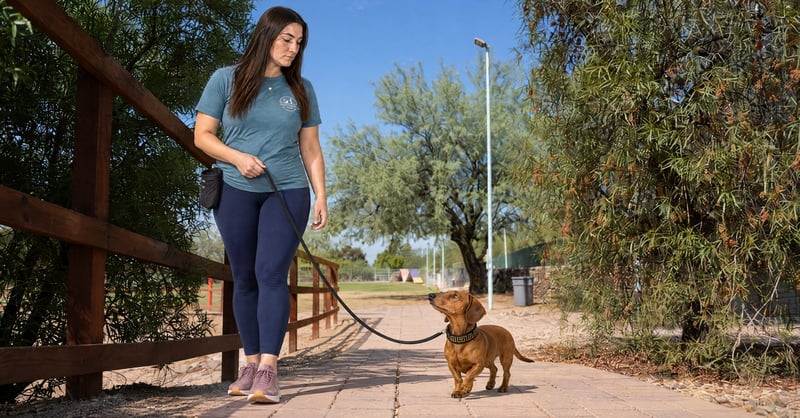
Teach the check the way we teach any routine: calm dog, fixed order, one step at a time. The dog’s job is to stand still. Your job is the sweep.
A foxtail you catch in the driveway is a five-minute job. A foxtail you miss is a vet visit.
Run this before the dog gets back in the car, or in the driveway the second you are home:
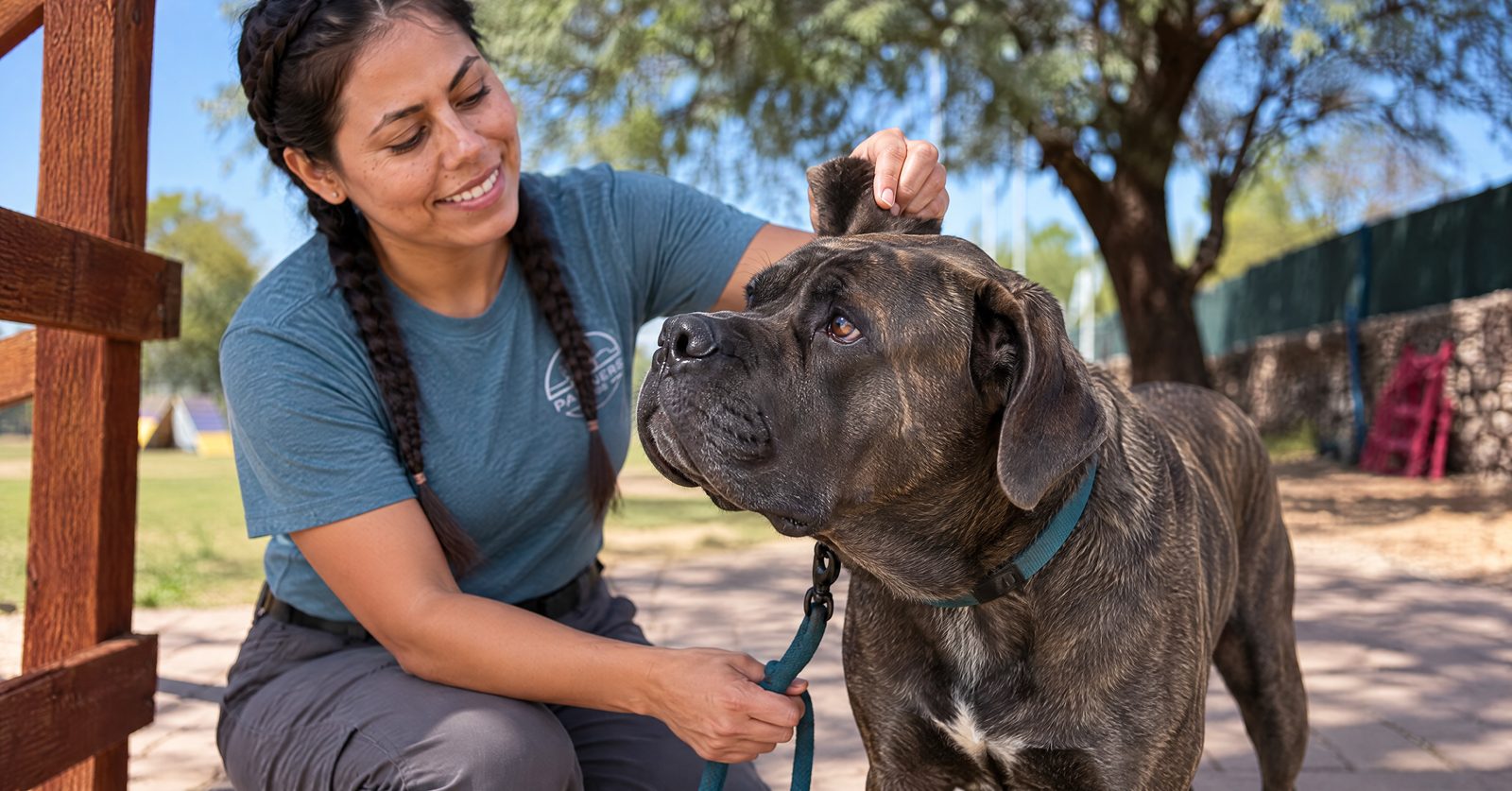
- Plant your dog. "Stand" or "place" on the tailgate, a mat, or the driveway. Treat the calm hold first. The stand is a trained behavior, not a wrestling hold: our trainers condition it the way they condition everything, marking the stillness, paying it, and building duration.
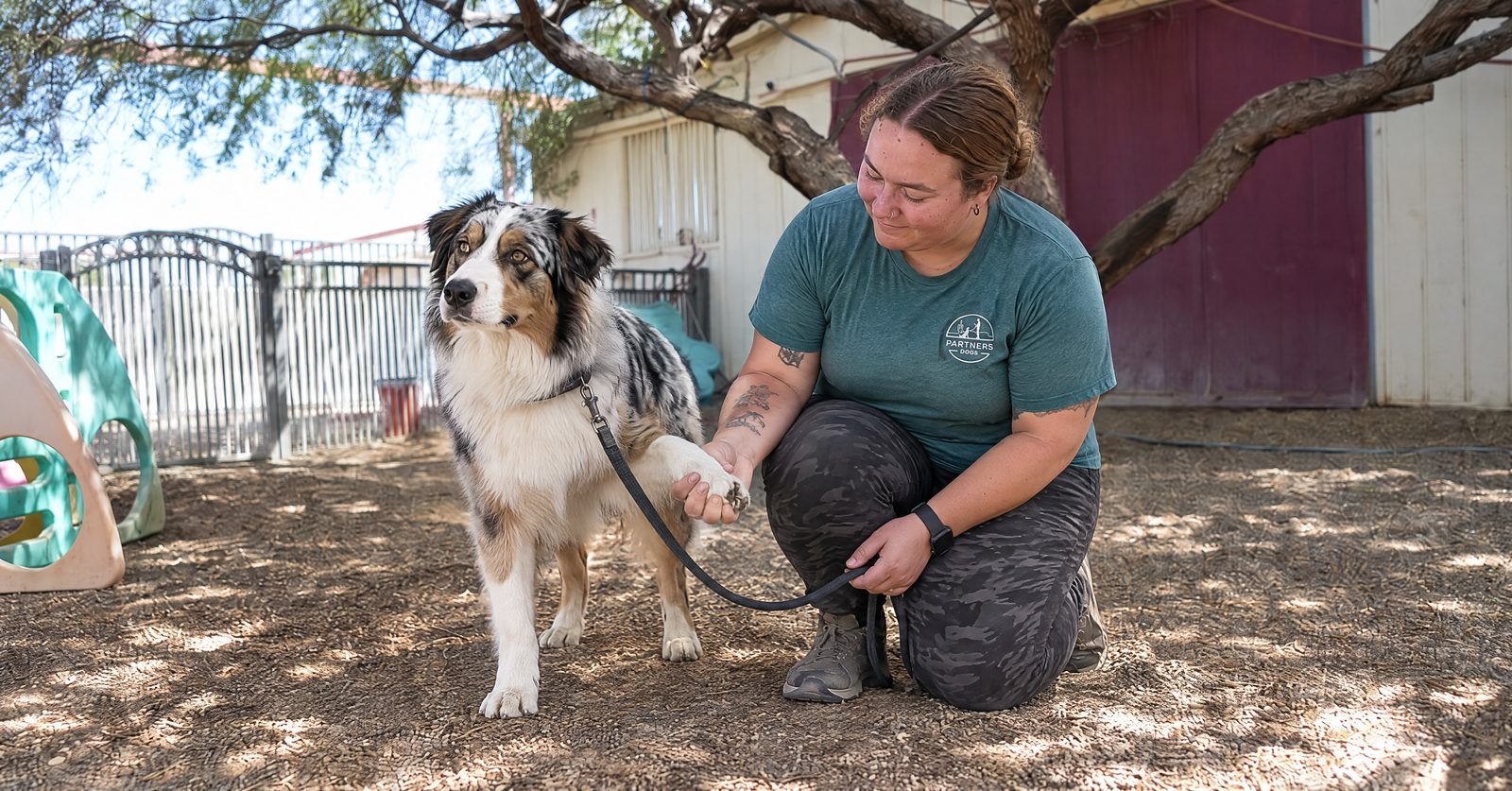
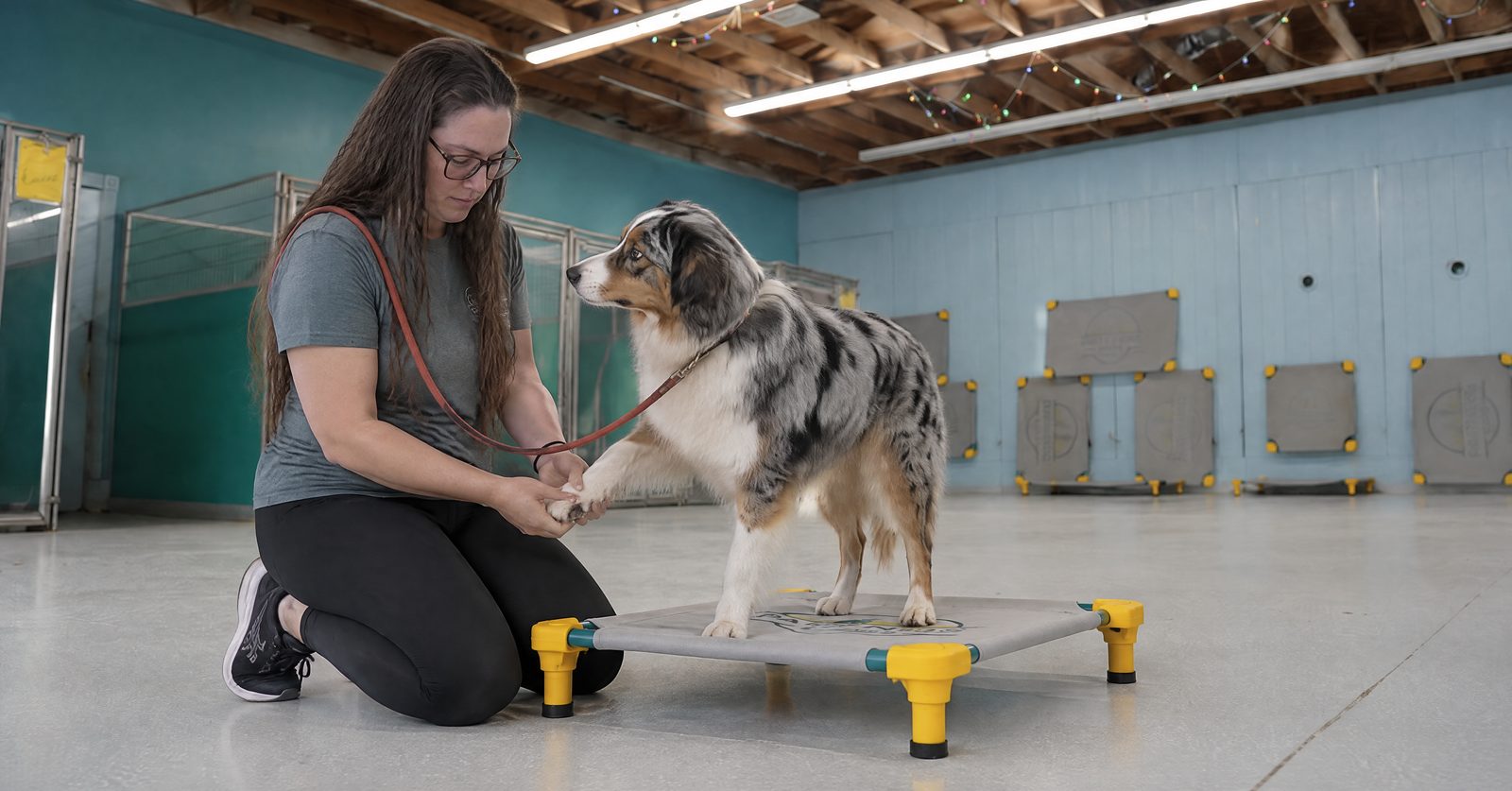
- Paws and toes. Lift each paw and spread the toes. Check between every toe and across the pads. This is the most common entry site vets report, so it goes first while the dog is freshest.
- Nose. Look at the bridge and nostrils for seeds clinging to the wet nose.
- Eyes. Check for redness, discharge, or a seed at the corner of the eye. Never pick at the eye. Anything in or near it goes to the vet.
- Ears. Lift each flap and look inside the opening. Floppy ears hide seeds well.
- Mouth and chin. Quick check of lips, chin, and under the jaw, where seeds collect as the dog pushes through brush.
- Armpits, belly, and genitals. Short coat here means less hiding, but seeds still catch in the creases.
- Full-coat sweep. Run your hands against the grain over the whole body, slow and thorough. Comb long coats. Pull every visible seed with tweezers, grasped near the base so it does not break.
Keep tweezers and a headlamp in the trail kit. A foxtail between dark toes is invisible at dusk without one.
Should you pull a foxtail out yourself or go to the vet?
The short version: surface and visible, pull it. Eye, ear, broken, or infected: the vet pulls it.
You pull it when you can plainly see the whole seed on the coat: grasp it near the base with tweezers and pull along the direction of the barbs, if your dog lets you. That is the same handling standard our groomers work to at both campuses - see the whole seed, grasp near the base, pull with the barbs. Cornell’s Dr. Miller draws the boundary: visible surface foxtails come out with fingers or tweezers, but anything near an eye or in an ear goes to the vet, not you. The vet pulls it when the seed is broken off with pieces left behind, or the site is red, swollen, warm, or draining: deeply embedded seeds sometimes need sedation. The vet gets it now when the dog is sneezing nonstop, coughing, breathing hard, gagging, or going lethargic after outdoor time. Those are migration or respiratory signs.
Do not dig in an ear canal. Probing pushes the seed deeper and can puncture the eardrum.
How do you keep foxtails off your dog in the first place?
The short version: keep the coat short, keep out of dry seed heads, and make the check a habit that survives busy days.
Prevention is management, and management comes before training in our order of operations. Four levers.
Trim for the season. Ask your groomer for a shorter cut through foxtail season, with the feet and legs cut close. The SF SPCA notes some groomers offer a dedicated "foxtail cut." Short coat gives seeds less to catch on and makes what lands visible.
Steer the route. Green grass in March is not the same threat as dry seed heads in May. Keep your dog out of tall dry grass and off unmaintained trail shoulders. Leash through seed-head stretches you cannot avoid.
Pull your yard early. Foxtail grasses are green and soft before they dry. Pull them while they are green, before they seed, and mow often in spring. Same yard-proofing logic as our rattlesnake-season yard-proofing guide.
Use the mesh hoods on bad days. Mesh field-guard hoods catch foxtails before they enter a dog’s nose or ears, but the mesh cannot stop every seed, and the hood is not a muzzle. Check the hood itself for caught seeds after the hike. A dog that tolerates a hood calmly was conditioned to gear the same way our trainers condition booties and muzzles: short sessions, food, no rushing.
The cholla write-up covers the other half of the desert check. Our cholla cactus removal guide runs the same post-hike routine for spines. Two checks, one habit, every hike.
By the numbers
Mistakes that make it worse
- Waiting until you see symptoms. The seed migrates between the hike and the limp. Check before you drive home, not when the dog starts shaking its head at midnight.
- Skipping the toes. Between-the-toes is the most common entry point and the easiest to rush. Slow down on the paws.
- Digging in the ear. Probing an ear canal pushes the seed deeper and can puncture the eardrum. Vet, not you.
- "It will work its way out." It will not. The barbs only travel forward, the seed carries bacteria, and the wound keeps draining until the seed is removed. Believe it.
- Long coat all season. Every extra inch of coat is more surface for seeds to hide in. The foxtail cut is hazard management.
First step
Match the routine to the dog
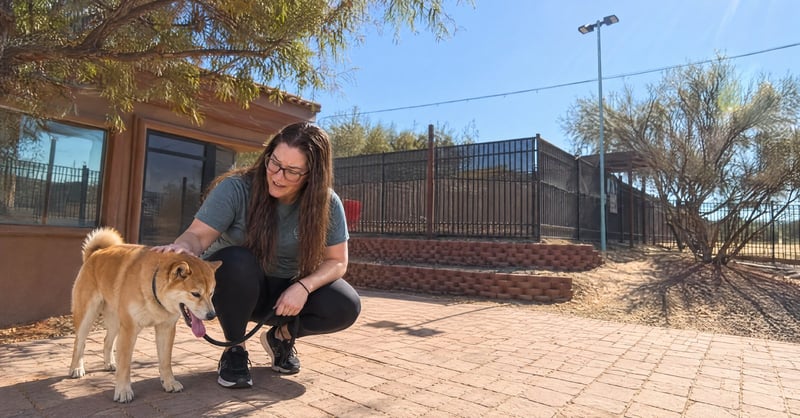
A Partners groom keeps the coat short where seeds catch, and our trainers can rehearse the stand-still check with dogs that will not hold still for it. Start with a PD360 Assessment to match your dog to the right plan.
Key takeaways
Key takeaways
- Foxtails are barbed grass awns that burrow one way only: deeper. They enter through paws, ears, nose, eyes, skin, mouth, or genitals, and can migrate from the nose to the brain or lungs.
- Run the post-hike check in the same order every time: paws and toes, nose, eyes, ears, mouth, armpits, belly, genitals, full-coat sweep.
- Pull plainly visible surface seeds with tweezers. Anything near an eye, in an ear, broken, or infected goes to the vet. Never dig in an ear canal.
- Red-flag signs: nonstop sneezing, head shaking or tilt, coughing, heavy breathing, gagging, lethargy, or a wound that will not heal.
- Prevention is management: short seasonal cut, avoid dry seed heads, pull yard foxtails while green, use a mesh field guard on bad days.
- This article is education, not veterinary care. When in doubt, call your vet.
Frequently Asked Questions
Can I pull a foxtail out of my dog myself?
If you can plainly see the whole seed on the coat, yes. Grasp it near the base with tweezers and pull, if your dog lets you. If the seed is near an eye, inside an ear, broken off, or the site is red and swollen, that is a vet job. Deep seeds sometimes need sedation to remove safely (Cornell).
What is the first step if I want someone else to handle this?
Book a groom and ask for a foxtail-season cut: short on the feet and legs with a professional coat check. If your dog will not stand still for the check at home, a PD360 Assessment routes you to cooperative-care training that rehearses the stand-still hold.
How do I know if my dog inhaled a foxtail?
Nonstop sneezing, pawing at the nose, coughing, heavy breathing, or lethargy after outdoor time are the signals vets flag. An inhaled foxtail can reach the lungs, so go to the vet or emergency vet. Antibiotics do not fix it alone. The seed has to come out.
Are foxtails worse in Arizona than other states?
The mechanism is the same everywhere: barbs burrow forward and do not back out. Arizona’s long dry season stretches the hazard window wider than in most states. The AKC flags May through December for foxtail-type seeds nationally. The routine handles it either way.
Does a short haircut really prevent foxtails?
It reduces them. Short coat on the feet and legs gives seeds less to catch on and makes what lands visible. It does not make a dog foxtail-proof: nose, ear, and paw seeds happen on short-coated dogs too, which is why the post-hike check stays mandatory.
From here
Where to go from here
Make the check a habit this week. Book the foxtail cut, put tweezers and a headlamp in the trail kit, and run the eight steps after your next hike until your dog stands for it like clockwork. Cooperative care is a trained skill set: the dog learns handling is safe and predictable, and the owner learns the handling that keeps it that way. If the dog will not hold still for handling, that is a training problem we can fix. Start with the assessment.
Scottsdale: 8642 E Shea Blvd, 85260. Cave Creek: 4640 E Forest Pleasant Pl, 85331. Serving the Phoenix Valley.