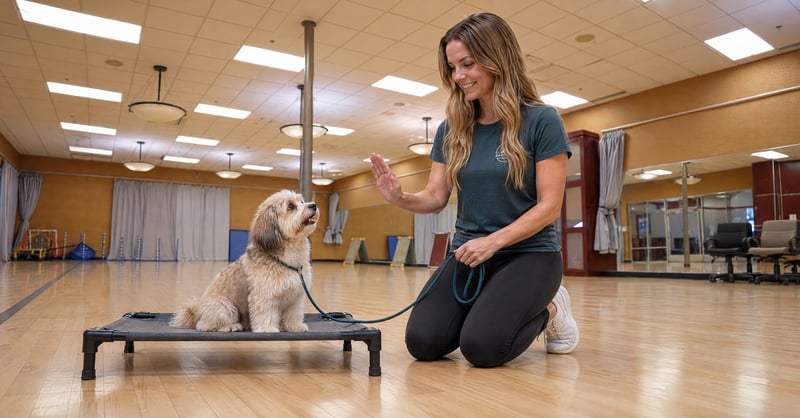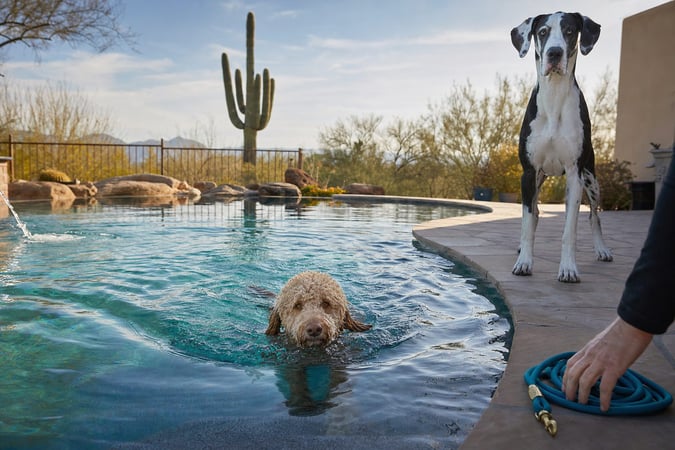
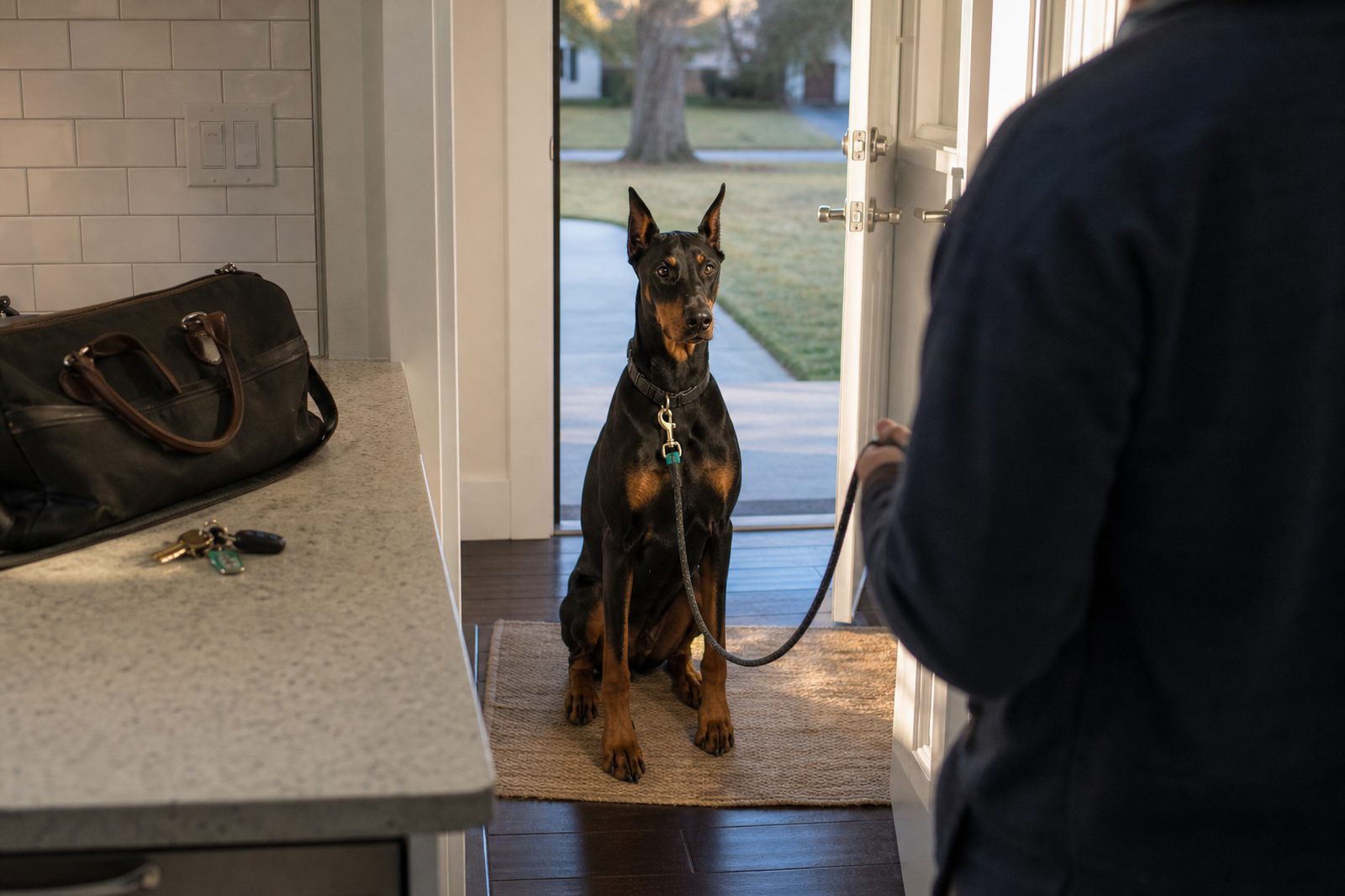
Professional dog training in Arizona for busy owners means moving the daily reps onto the facility's schedule instead of yours: DaySchool while you are at the office, DayCamp for behavior-focused days, or a board and train camp for a full reset. You still show up for the handoff lessons that make it stick at home, but the facility carries the volume. The right fit depends less on your dog's breed than on how much free time you have this month.
Picture a typical Tuesday: you leave for the office before your dog is fully awake, and by the time you are home there is barely enough energy left to feed everyone before collapsing on the couch. Somewhere in that week, training the dog keeps sliding to tomorrow. Across Scottsdale, Cave Creek, and the wider Phoenix metro, most of the owners who walk through our doors start right there.
Partners Dogs has trained more than 70,000+ dogs since opening in December 1997, and Pet Parents rate the experience 4.8 stars across more than 2,000 reviews. That track record exists because the programs below are built around real Arizona work schedules.
What Is the Best Dog Training in Phoenix for a Busy Working Family?
The best dog training in Phoenix for a busy working family is training that fits into an existing schedule instead of demanding extra evenings, which makes it worth it even without spare time to spend. Partners Dogs runs three kinds of programs that solve the time problem in different ways, and matching your dog to the right one starts with a clear look at your calendar.
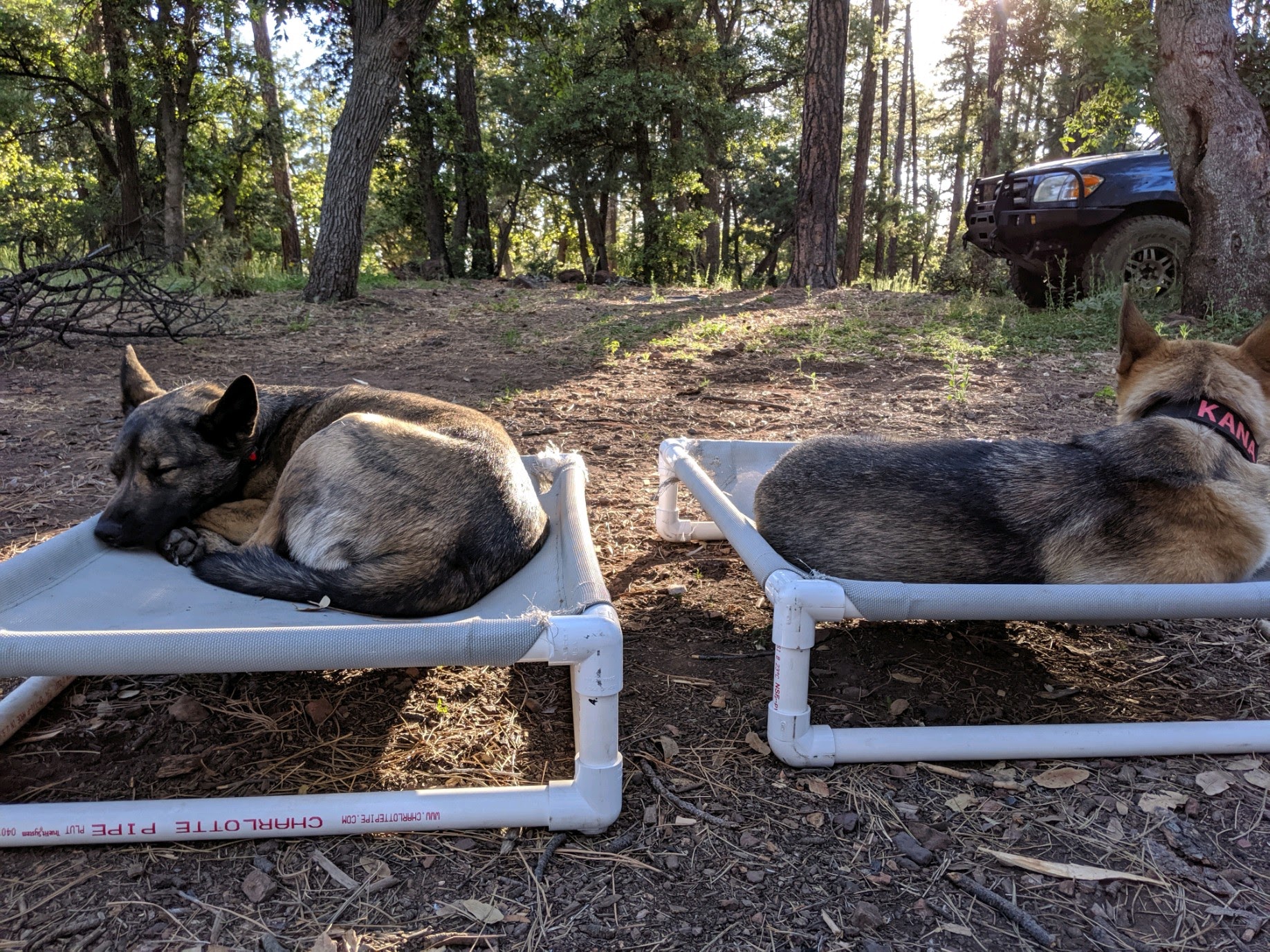
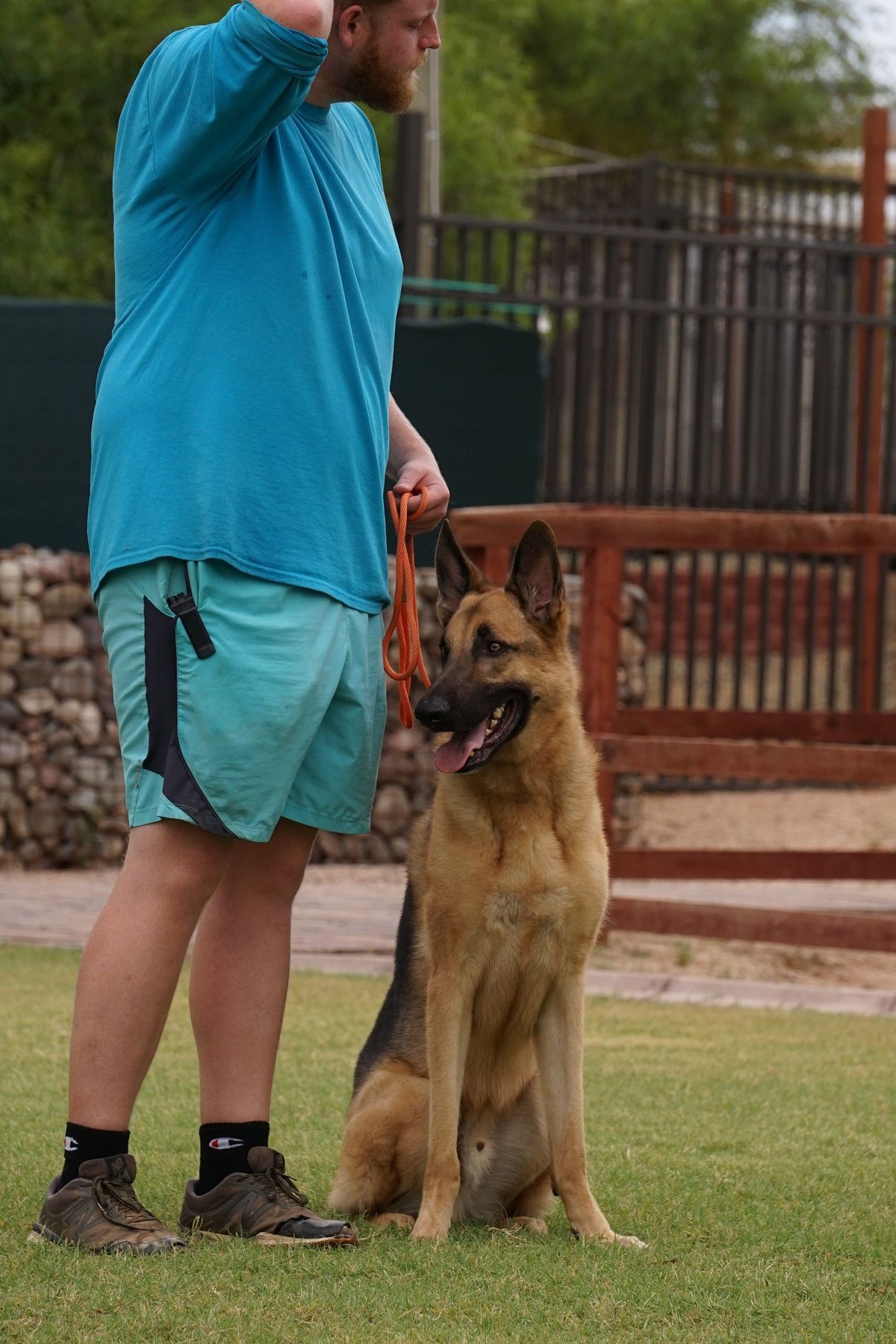
- DaySchool: daycare plus daily training for social dogs, built around a normal commute.
- DayCamp: a structured, behavior-focused day program for dogs that are reactive, fearful, or still adjusting after a recent adoption.
- Board and train: your dog lives at the facility for a set stretch and comes home with the foundation already built, whether that is Foundation Camp, Behavior Camp, or Transform Camp.
The programs are not interchangeable, and picking the wrong one wastes both your time and your dog's. A social, easygoing dog does not need a 14-night stay away from home. A dog mid-crisis on leash reactivity does not just need more daycare days.
The same eight-grade curriculum runs across every Partners Dogs program, so the training vocabulary and expectations stay consistent no matter which door your dog starts through.
How DaySchool Covers the Daily Reps While You Work
DaySchool is the default answer for most working owners because it matches a normal day: drop off before the office, pick up on the way home, and the training happens in between. Dogs work with the full training team across the day, gaining reps from every trainer on shift. Rotating through several trainers each day teaches a dog to respond to any adult in the house, not only the person who ran the first session. That is the team-of-trainers difference: the behavior generalizes instead of attaching to one handler.
Every trainer on that rotation is trained and supervised through Partners Dogs University (PDU), our in-house certification pipeline. It starts with 30 hours of dedicated online coursework before any work in our facilities, then supervised hands-on floor work. PDU sets the bar at 1,000 supervised hours before a trainer becomes eligible for Instructor. Senior Instructor requires at least 2,000 hours across all dogs, breeds, and behaviors. A certificate is a useful signal; hands-on hours are what a facility can verify directly.
Days run at a density most once-a-week programs cannot match: focused training sessions built around the plan, plus hours of passive immersion where the dog is rewarded, guided, and modeled after other dogs already in training. With one trainer for every 5 dogs in camp, sessions stay structured instead of turning into a free-for-all, and the immersive stretch between sessions is where a lot of the conditioning happens.
DaySchool covers the exercise piece and adds the daily training piece. See how a DaySchool day runs for exactly what the day includes.
When DayCamp Fits Better Than Daily DaySchool
DaySchool assumes a dog that already does well around other dogs. Plenty of dogs are not there yet: newly adopted, undersocialized, fearful of other dogs, or working through mild reactivity. For that dog, DayCamp is the better daily option. It runs smaller, more controlled sessions instead of open group play, built for exactly this stage.
DayCamp and DaySchool solve the same scheduling problem: drop off in the morning, pick up after work. Each one simply starts from a different place in the dog's training. A dog that graduates out of DayCamp's structure often moves into DaySchool once general play is safe again.
What a Board and Train Reset Buys You
Some dogs need more than daily reps around a schedule. Foundation Camp is a 14-night board and train stay built for a full reset: your dog lives at the facility, trains multiple times daily, and comes home with obedience and manners already installed. You did not spend a single evening on it.
For a dog carrying behavior problems rather than plain manners gaps, Behavior Camp and Transform Camp run longer for a reason. Behavior Camp runs 12 to 16 weeks, including a 21-night boarded stay plus follow-up coaching, built for moderate reactivity and behavior work. Transform Camp follows the same 12-to-16-week framing with a 28-night boarded stay and senior-trainer handling, reserved for more severe cases. Both send your dog home already partway through the follow-up coaching that keeps the work from unraveling.
Built for your schedule
Not Sure Which Program Fits Your Week?
Answer a few questions about your dog and your schedule, then get matched to DaySchool, DayCamp, or a camp before you commit to anything.
How the Handoff Keeps Training From Fading
None of these programs work if the training stays locked inside the facility. Every camp and DaySchool block ends with a handoff: working demonstrations and coaching on the exact commands and timing your dog learned. From there, Private Lessons or Group Classes are available to keep practicing once your dog is home. Skipping that handoff is the most common reason we see training fade in the first month. Partners Dogs builds parent education into every program specifically to close that gap.
Once formal training ends, the relationship with Partners Dogs does not stop there. DaySchool days and occasional DayCamp visits double as maintenance long after a program wraps up, so a dog that graduated Foundation Camp two years ago can still book a tune-up day instead of restarting from zero. That continuity is built into the model from day one.
When a Busy Owner Should Not Outsource Training
Facility programs are not the right call for every busy household. Two situations come up often enough to name directly.
If your dog's core issue is the relationship with you rather than a skill gap, sending the dog away to train will not close it. Separation anxiety, resource guarding around family members, and behavior that only shows up with one household member usually need you present for at least part of the work. A facility program can still support that work, but you have to be in the room for it to count.
Budget is the other hard limit. A 14-night board and train stay costs more upfront than a handful of Group Classes plus 10 minutes of practice each evening, and for a dog with mild manners gaps and an owner willing to put in the daily practice, that lighter combination can get the job done. Current rates for every program are listed on the pricing page, and comparing the numbers against your calendar is worth doing before you commit to the bigger program.
How to Match a Program to Your Actual Week
Three practical questions cut through most of the decision. How far is the drive from home or the office to Scottsdale or Cave Creek, and does drop-off or pick-up fit your commute? Does your dog already handle group play safely, or does the day need to start smaller and more controlled? And does the behavior in front of you look like a manners gap or a deeper problem that needs a trained eye first?
If your dog just needs consistent daily reps and you have zero spare evenings, DaySchool is usually the starting point. If your dog is not ready for open group play yet, DayCamp is the better first step. If the behavior is serious enough that daily sessions will not move fast enough, or your dog needs a full reset before daily programs make sense, a board and train stay is worth the bigger commitment.
A PD360 Assessment is the fastest way to get a direct answer instead of piecing one together from a blog post. A trainer meets your dog, scores where they stand, and points you to the program that matches what your dog needs that week.
What Else Belongs in the Decision
A program that keeps training moving through the hottest months, rather than pausing it until October, reflects a schedule built around Arizona conditions. Arizona summers add a real question worth asking any program you tour: how much of the day happens indoors once pavement heat rules out long outdoor sessions.
This whole menu is different from working with one trainer exclusively through weekly Private Lessons. That path can be the right call too, especially for a single, narrow issue, but it puts more of the daily practice back on your calendar rather than the facility's.
Key takeaways
- Partners Dogs has trained more than 70,000+ dogs since opening in December 1997, with Pet Parents rating the experience 4.8 stars across more than 2,000 reviews.
- Foundation Camp is a 14-night board and train stay built for a full manners reset.
- Behavior Camp runs 12 to 16 weeks with a 21-night boarded stay for moderate reactivity, while Transform Camp follows the same 12-to-16-week framework with a 28-night boarded stay and senior-trainer handling for more severe cases.
- Partners Dogs Instructors need at least 1,000 supervised hours, and Senior Instructors need at least 2,000 hours, before earning that title.
- Group classes usually run at one trainer for every 5 dogs, capped at 10 dogs, and camps run at one trainer for every 5 dogs.
Frequently Asked Questions
Which program should I start with if I have no free time during the week?
Start with DaySchool if your dog already does well around other dogs. It fits a normal commute, with drop-off in the morning and pick-up after work. If your dog is not ready for open group play, start with DayCamp instead. A PD360 Assessment can confirm the fit before you commit to either one.
Can DayCamp and a board and train camp work together for a busy schedule?
Yes. Many owners use DayCamp in the weeks before or after a board and train stay to keep momentum without adding evening work. A trainer can help sequence the two around your calendar during a PD360 Assessment.
When should a busy owner skip board and train and choose Group Classes instead?
When the issue is closer to a manners gap than a crisis, and you can commit to short daily practice, Group Classes plus a few DaySchool days often solve it without the cost or time of a boarded stay. Board and train earns its keep when the behavior is more serious or your schedule leaves no room for daily practice at all.
Will my dog still bond with me if trainers handle the daily work?
Yes. The bond is built throughout the handoff coaching sessions, where you practice the exact commands and timing your dog learned alongside your trainer. Those sessions keep the relationship and the training both intact.
How much time do I need to set aside once camp or DaySchool ends?
Plan on a few minutes of daily practice at doorways, meals, and walks, and consider adding Private Lessons or Group Classes to keep the momentum going. Owners who skip that daily practice are the ones most likely to see behavior fade within a month.
What is the best board and train for dogs in the Phoenix area, including Scottsdale, Cave Creek, and North Phoenix?
Partners Dogs runs three board and train camps from its Scottsdale and Cave Creek campuses serving the greater Phoenix and North Phoenix area: Foundation Camp for a 14-night manners reset, Behavior Camp for moderate reactivity, and Transform Camp for more severe cases with senior-trainer handling. The right camp depends on whether your dog needs general obedience or deeper behavior work, which a PD360 Assessment can confirm.
Ready to book?
Get Your Dog Started This Week
Talk to a trainer or book a PD360 Assessment and leave matched to the program that actually fits your week.