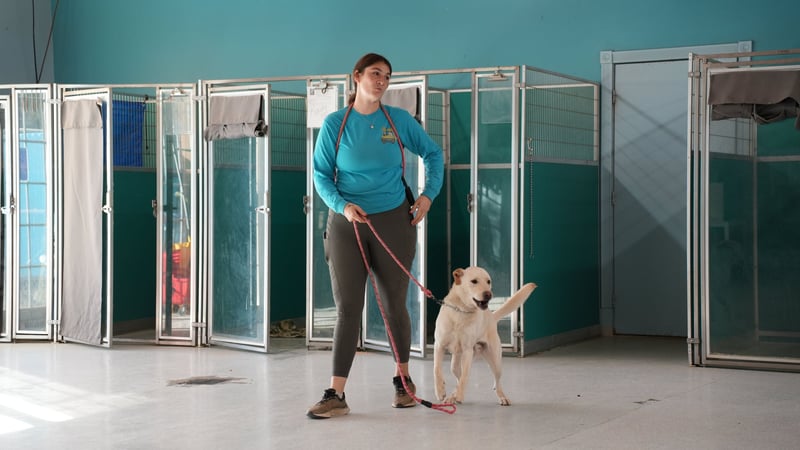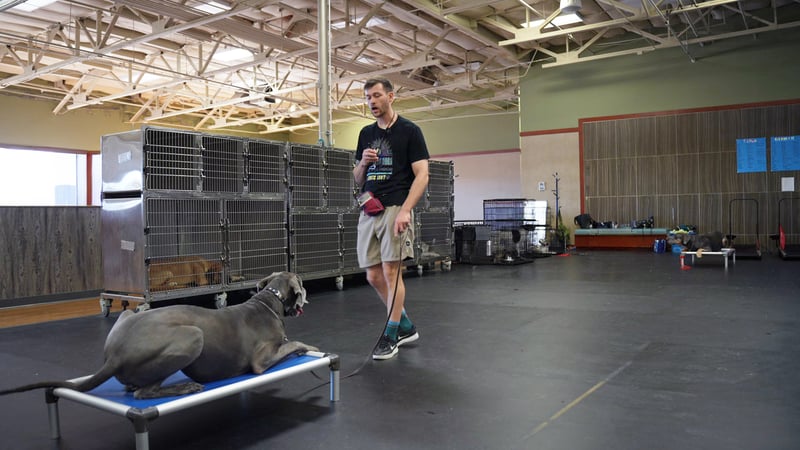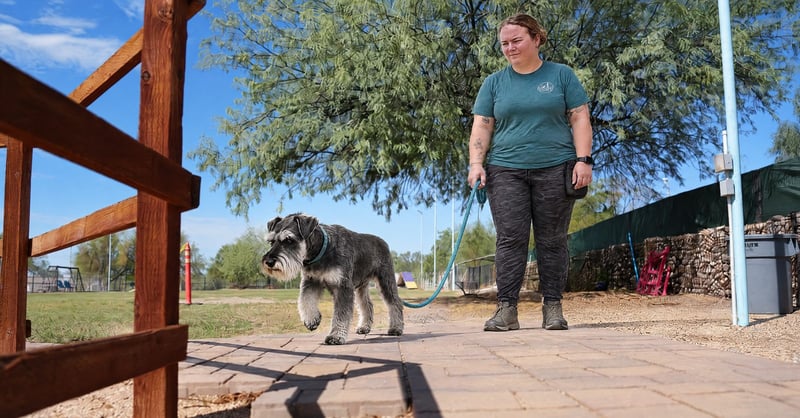
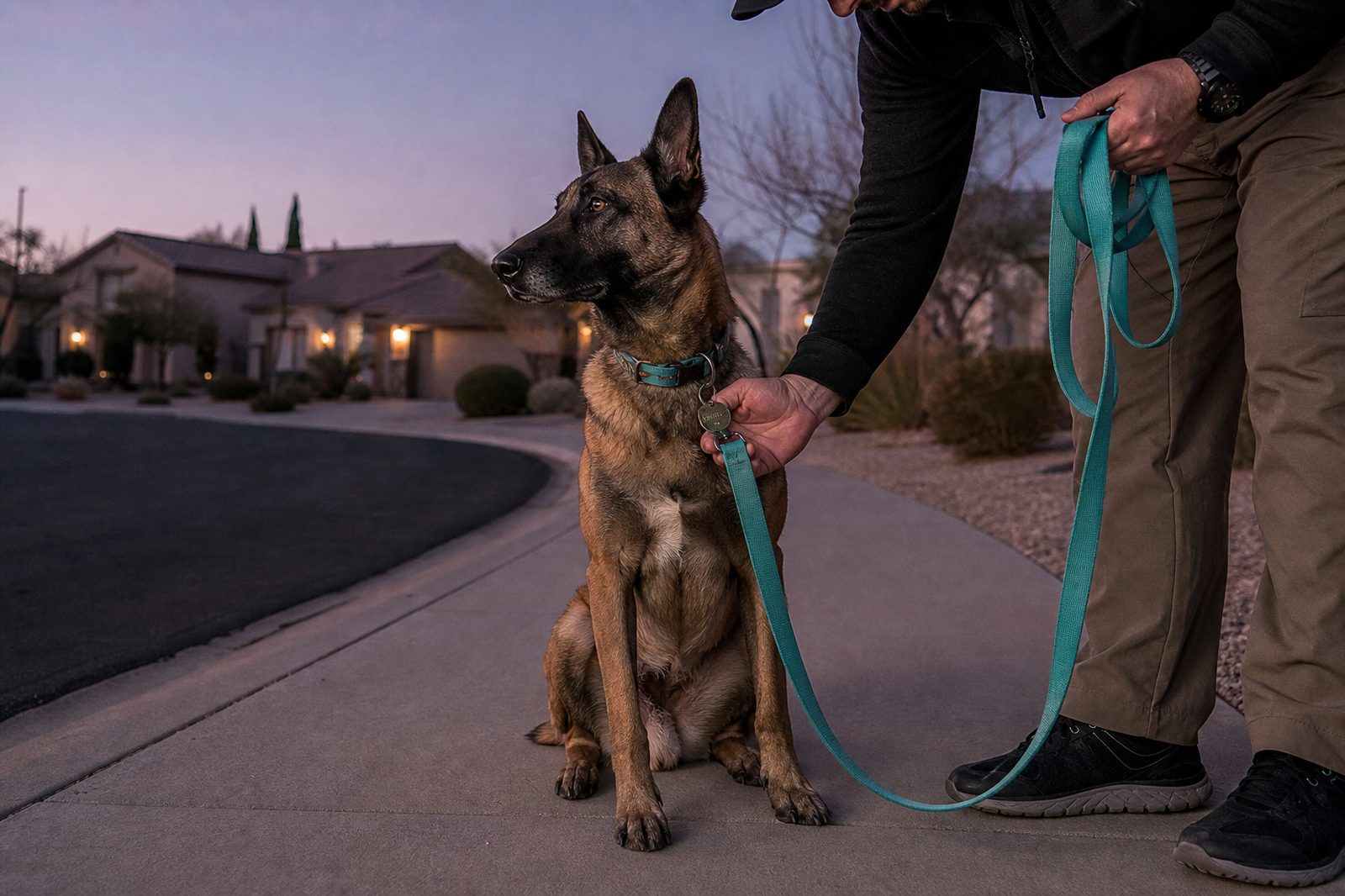
Before booking structured dog boarding in Phoenix, ask about seven things: overnight staffing, rest cycles, the incident protocol, the vet relationship, medication handling, the daily enrichment schedule, and who is handling your dog.
A common myth keeps anxious Phoenix pet parents from booking boarding at all: the idea that any facility stay is overwhelming for a reactive or anxious dog, so skipping structure and hoping for the best is somehow the safer choice. The opposite is usually true. An unstructured stay raises the risk: no staffing plan, no rest cycles, no incident protocol. A structured one is built to lower it.
Not every facility that calls itself "structured" has the staffing, protocols, or trainer expertise to back that word up. The seven questions below are the ones that separate a facility built specifically for an anxious or reactive dog from one that just says the right things on the phone. Ask any facility you are considering these same seven questions, not just Partners Dogs, and use the answers to judge fit for your own dog.
Is Someone On-Site Overnight, or Just On Call?
A facility that locks up at close and leaves dogs "on call" overnight cannot respond to a dog in distress until morning. Ask directly whether a staff member sleeps on-site or nearby, or whether the facility relies on a phone that may not get answered until business hours resume. For a dog with separation anxiety or a nervous stomach, the gap between a 6 p.m. lockup and a 7 a.m. check-in is exactly when problems go unnoticed.
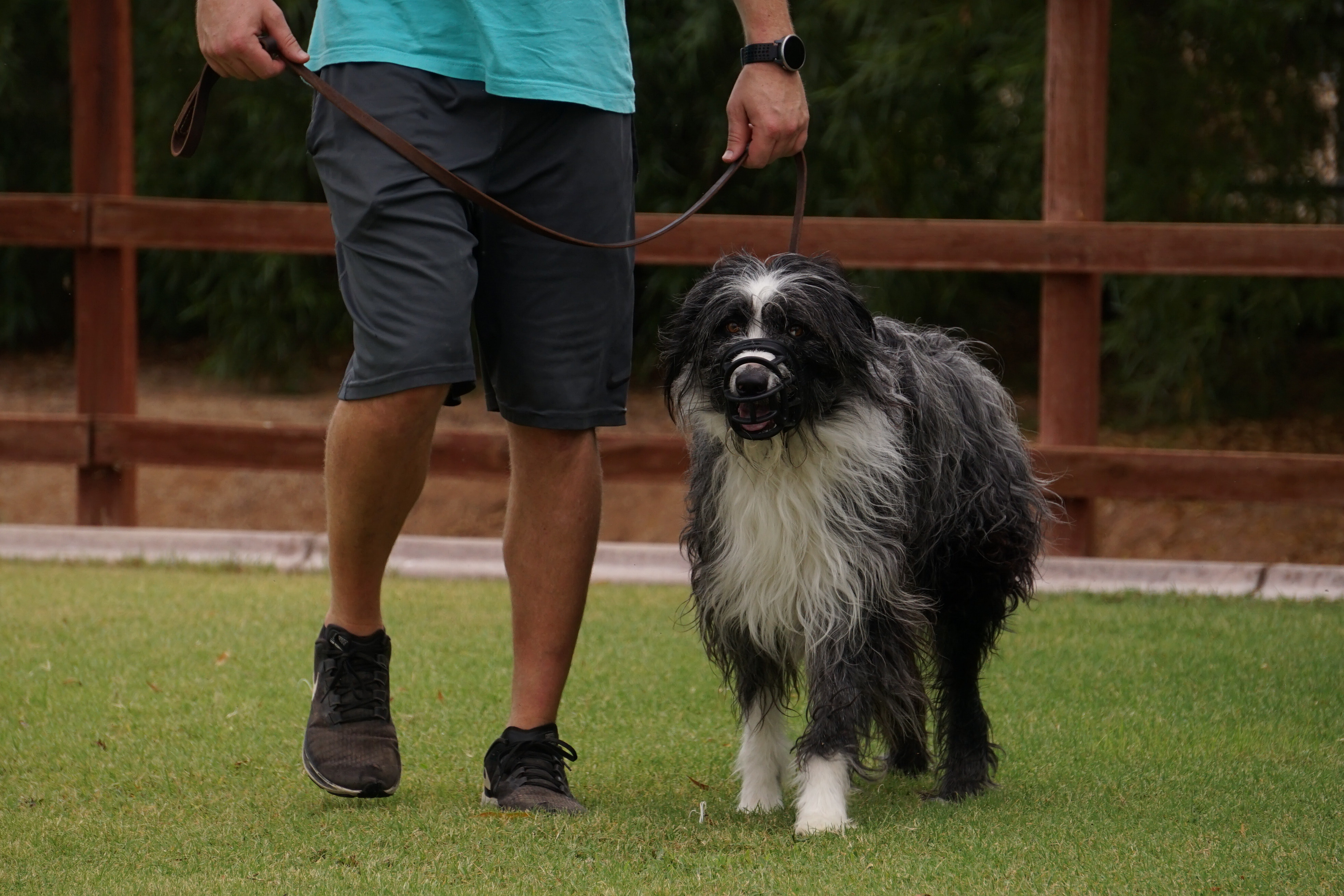
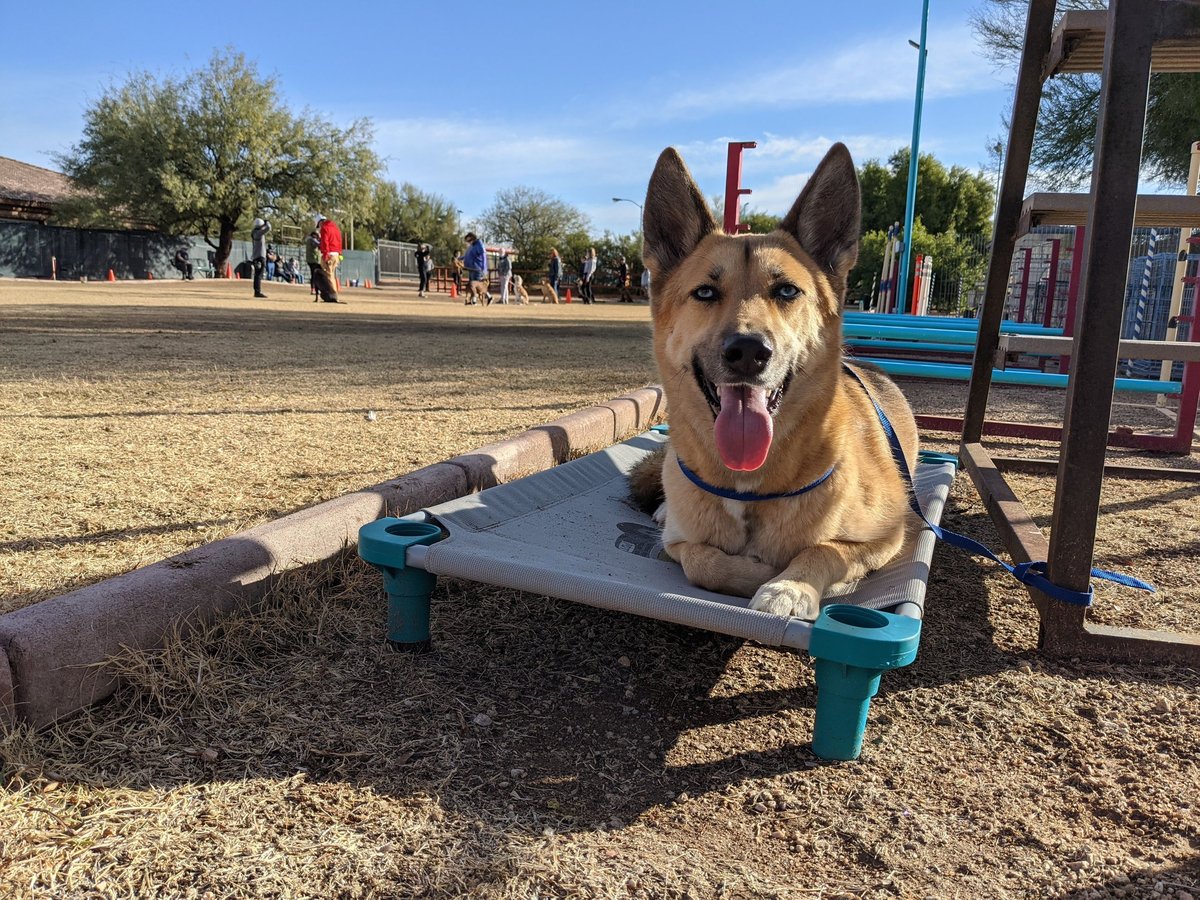
This is one of the few questions with a binary, checkable answer: staff present overnight, or not. Do not accept "we check in periodically" as equivalent to someone being there.
What Do Rest Cycles Look Like Between Activity?
Dogs need downtime between play, walks, and feeding, not a full day of open-play stimulation. Ask how the daily schedule alternates activity with quiet crate or suite time. A dog held in constant group play or nonstop stimulation all day, with no scheduled rest, tends to come home more wound up than when it left, not calmer.
For a reactive or anxious dog specifically, rest cycles matter even more. Recovery time between triggers is part of what keeps a stay from compounding stress instead of relieving it. If a facility cannot describe a rest schedule beyond "dogs play most of the day," that is worth noting before you book.
What Happens If Something Goes Wrong?
Ask for the specific steps a facility follows before you need the answer: a bad moment, a scuffle, an escape attempt, a medical scare. A facility with a working protocol can describe it in a sentence or two: who separates the dogs, who calls you, who calls the vet, and in what order. A facility without one tends to answer in generalities.
This question also tells you how a facility handles a dog with a bite history. A behavior assessment before a stay, rather than reacting after an incident, is one sign a facility has thought through risk in advance.
Does the Facility Have a Working Relationship With a Veterinarian?
A working relationship with a local vet, not just a laminated emergency-clinic phone number, is what gets your dog seen quickly if something is wrong. Ask which practice the facility works with, whether that vet already knows the facility's dogs, and how a same-day illness or injury gets handled from the first phone call.
Phoenix has no shortage of emergency vet clinics, but a facility that has never called one, because it has no working relationship with any practice, has not thought through what happens at 9 p.m. on a Saturday.
How Are Medications Given, and by Whom?
If your dog takes daily medication (a situational anti-anxiety prescription, a joint supplement, insulin), ask who administers it and how they confirm it was given. A facility should keep a written log, not a verbal promise, and have staff comfortable following a vet's specific instructions rather than improvising a dosage schedule.
This matters even for dogs who only need medication occasionally. A dog boarding for the first time with situational anxiety support should have a facility that can describe exactly how and when that medication gets given, not a vague "sure, we can do that."
What Does a Structured Day of Enrichment Include?
"Enrichment" should describe an actual schedule, not a buzzword on a website. Ask what a typical day includes: how many potty and stretch breaks, what mental stimulation looks like, and whether private lessons are available during the stay for an owner who wants the time to double as progress. A dog managing separation anxiety in particular benefits from predictability, the same schedule most days, rather than a loosely improvised one. Ask a facility to describe that predictability the same way you would ask about a routine at home; for a closer look at what calms an anxious dog during a stay, see how the right enrichment activities reduce boarding stress.
Who Is Handling My Dog Day to Day?
Ask whether the people caring for your dog are kennel attendants or staff who work with dogs professionally, and how many dogs each person is responsible for at once. Someone who spends the day reading dog body language for a living notices a skipped meal, a stiff posture, or an early stress sign faster than someone whose main job is cleaning runs and filling water bowls.
Pair this question with two neutral ones that have nothing to do with any single facility's pitch: how far the facility sits from your home or the airport, and whether it publishes its rates and offers a tour without weeks of advance notice. A facility that hides its rates or restricts tours to a narrow window is telling you something, regardless of how good the staffing sounds on the phone.
When a Facility Isn't the Right Fit, Even a Good One
Some dogs need a slower introduction than a standard stay, and a good facility builds that in. If a first stay shows a dog panting, drooling, or holding a stiff body the entire time despite a facility answering every question above correctly, that is real information. It is not a sign to push through it; talk to the team about a DayCamp day, a campus tour, and a PD360 Assessment so the plan fits your dog. A facility that will not show you the full space on a tour is a harder red flag still; a good one has nothing to hide and will walk you through exactly where your dog stays.
Every dog boarding in Maricopa County also needs a current rabies vaccination and license on file, one requirement that is county law, not just facility policy, so any facility should ask for proof without exception.
Cathy R., from Scottsdale, was nervous about her dog's first boarding stay. Her experience describes what it looks like when a facility answers these seven questions well before you ever have to ask them.
"This was my dog's first time going to a boarding facility so I was nervous if he'd do OK. I was SO impressed when I walked in. The staff is efficient and everyone is well informed. The facility is amazing - clean, spacious, top notch and fully equipped. The trainers immediately knew how to make my dog feel comfortable and when I picked him up he was wagging his tail. I will definitely be using Partners again not only for boarding, but most likely for a training camp. Great place with a true passion and knowledge for animal behavior."
Cathy R., Scottsdale
Key takeaways
- A facility with genuine overnight coverage has staff on-site, not just on call by phone, so a dog in distress gets a response before morning.
- Rest cycles matter as much as activity; a schedule that alternates play with quiet crate or suite time keeps a stay from overstimulating a dog.
- Every dog boarding in Maricopa County needs a current rabies vaccination and license on file.
- A working relationship with a local veterinarian, not just a laminated emergency-clinic number, is what gets a dog seen quickly if something goes wrong.
- A facility that will not walk you through the actual boarding area on a tour is a disqualifying red flag, not just an inconvenience.
Frequently Asked Questions
What is the one question every Phoenix boarding facility should answer without hesitation?
There isn't a single question that beats the rest, but the overnight staffing question tends to be the fastest filter. A facility that hedges, or answers with something like "we check in periodically" instead of naming who is actually on-site, usually has gaps in the other six answers too.
Is it a red flag if a facility will not let me see the boarding area on a tour?
Yes. A facility that cannot walk you through the boarding area itself, not a lobby or a sample kennel, but the space where your dog will stay, is one of the clearest signals to look elsewhere. A no-tour policy is disqualifying on its own, not just inconvenient.
Does Arizona require a license or permit for a boarding facility?
Every dog boarding in Maricopa County needs a current rabies vaccination and license on file, and commercial kennel operators carry their own county permit requirements under Maricopa County's animal ordinance. Asking to see proof of both is a fair, checkable question for any facility, not just a formality.
How can I verify a facility's staff-to-dog ratio instead of taking their word for it?
Ask how many dogs each staff member supervises during the busiest part of the day, not the slowest. A facility with nothing to hide will give a specific number. It also helps to ask what happens during shift changes or lunch breaks, when ratios often quietly change.
What is the difference between a facility that says it takes reactive dogs and one built to handle them?
A facility that says it takes reactive dogs but has no incident protocol, no trainer-level staff, and no plan for separating dogs by temperament is making a marketing claim, not a structural one. A facility with the structure to back that claim up can answer all seven questions above specifically, not generally.
Seven questions, one baseline
Get a Straight Answer, Specific to Your Dog
A PD360 Assessment gives your dog's temperament, triggers, and needs a real baseline before a boarding stay. The answers above become specific to your dog, not just policy.